
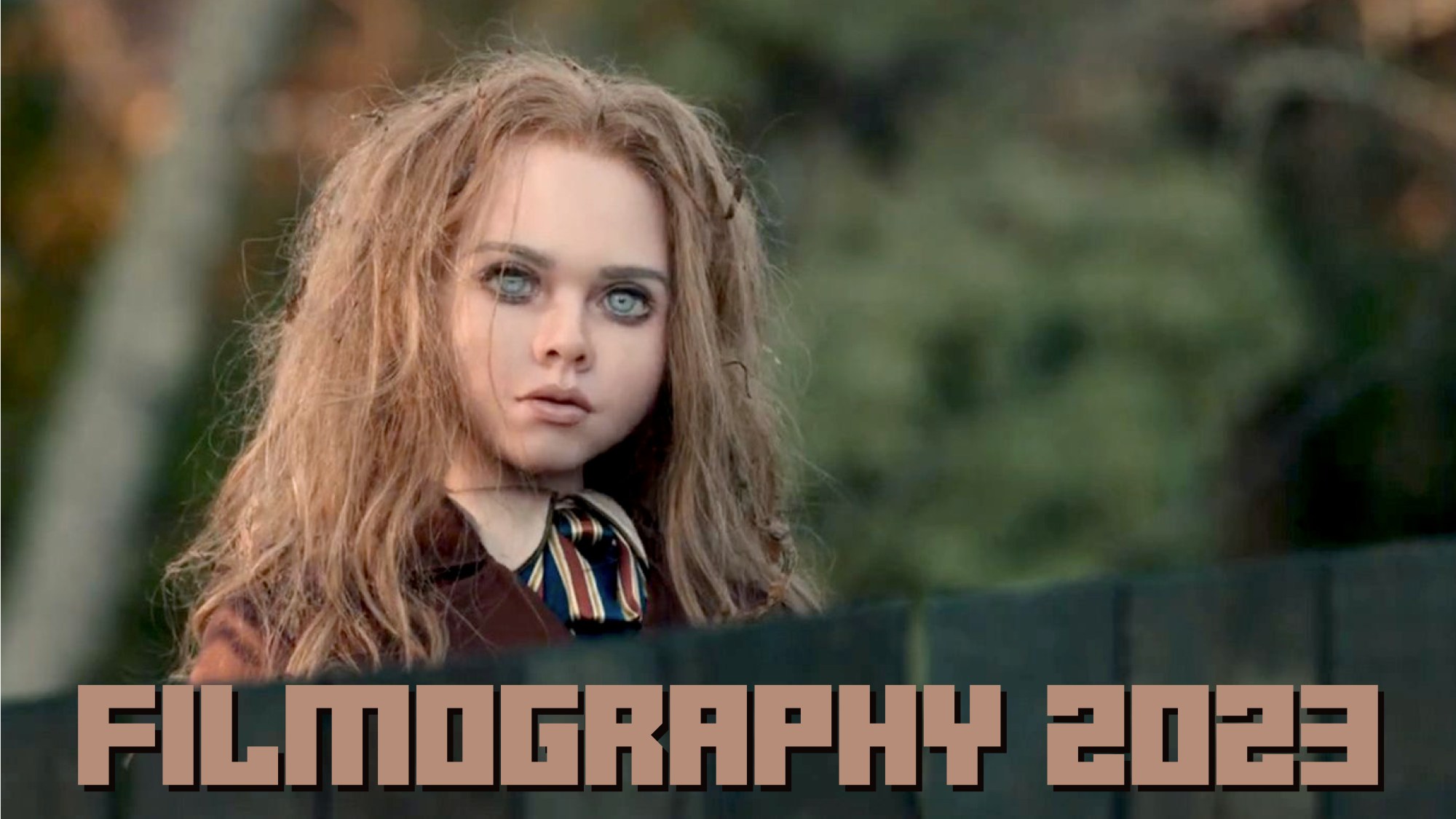
THE GIST:
A belated welcome, yet again, to my year-end filmography rundown.
To all the new readers out there, this list is an ongoing tribute to my friend who instituted this format, crappy DaFont stylization and all, and I’m committed to keep it going even as it feels ever more daunting and draining. After all, I always feel great when it’s finished.
Now, I don’t wish to normalize this tardy January posting for something that is celebrating all of the previous year, but the realities of now working in the high-pressure film industry mean that I encounter more frequent hiccups in writing about what I see and enjoy.
That’s not to say that the job hasn’t had its perks. I got to watch not one but two (!) films I worked on be seen the rest of the world, including, most awesomely, my niece during her first and second movie theater experiences (her popcorn consumption rate and technique is scarily similar to my own). Any lacking attribution in the end credits for work done behind the scenes is easily washed away by the ability to tell a three year-old that you’re good friends with the characters onscreen.
Of course, to keep things entirely unbiased and above board, I’ve removed both of those films from all consideration in the below categories. As for the rest, my deeply held, never-audited qualifications for what constitutes a 2023 release are as follows: if I, as a member of the public, could reasonably buy a theater ticket in Los Angeles to see it, or if it was widely published to an online platform in the United States, it counts. As always, the occasional international arthouse slow release rollout obfuscates this, but I try my best to stay honest to no one but myself.
Further complicating this definition though were the dual writers-actors work stoppages which kicked off #HotStrikeSummer and would inevitably punt some releases I saw early all the way into 2024, while also giving me my own minor occupational headaches.
But with a post-Covid glut of releases to sift through, I never felt a dearth of something new to see–something in years past which I would have to supplement by tracking down more foreign fare. This year, I recognize I have a lot more blind spots amongst the subtitled set.
Minor concerns though. I find so little to actually complain about. I saw a lot I loved. I had a lot of trouble whittling down this list. And there’s still so much out there for me to see. As it stands though, the following blurbs consider 109 releases from 2023.
Enjoy!
THE UNHERALDED:
The films that never found their audience, could just use some more exposure, or deserve another look.
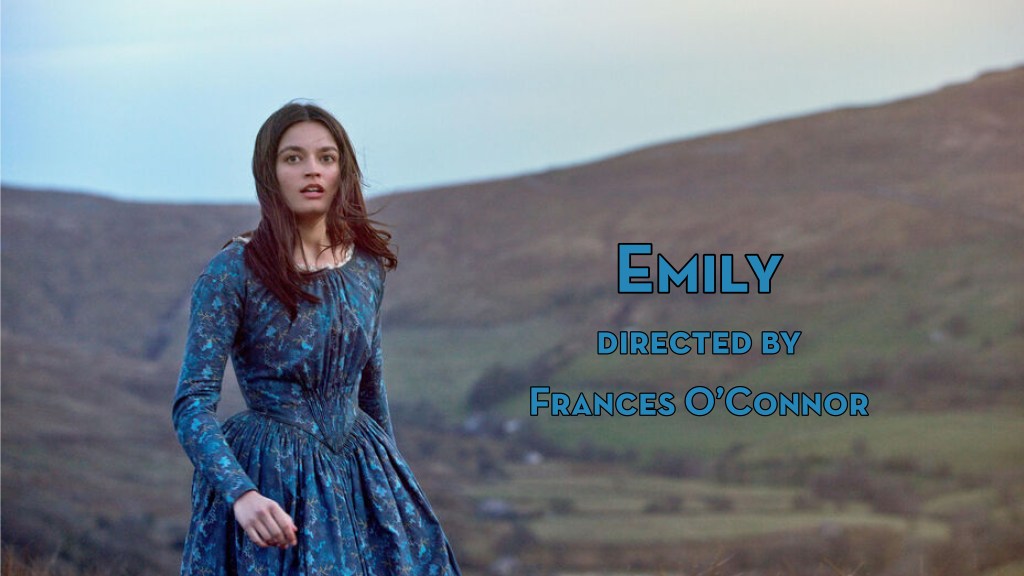
A period piece which recognizes how boring the doldrums of society conversation must have been, this is a Malick-like mediation on laying, waiting, and anticipating the moment Emma Mackey abandons polite-ish eye rolls and decides to fire off her verbal sniper rifle from across the room, delivering a single, killing blow of Brontë wit.

This tightly wound procedural manages to refreshingly give some breathing space to subplots involving chilling with the boys and adventures in kitchen renovations.
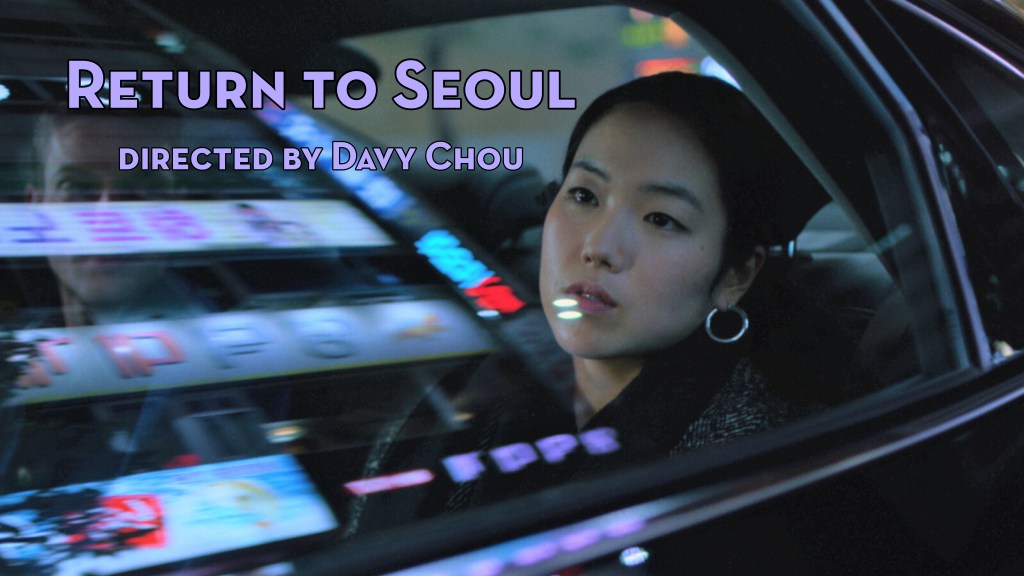
A belated coming-of-age which walks right up to the edge of thriller, arm hairs all on end—not from any looming sense of danger—but from another moment of self-discovery for our protagonist.
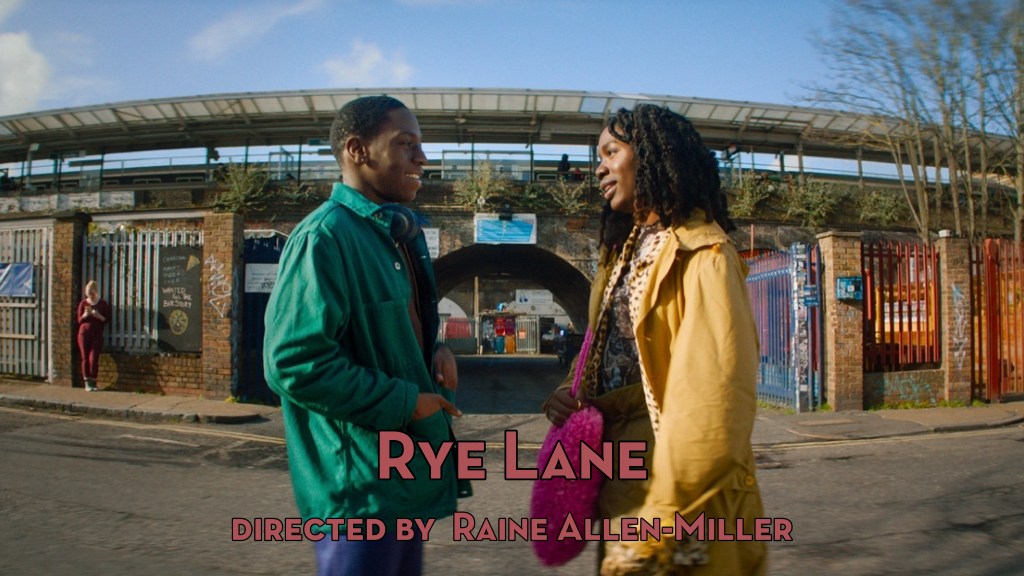
Big, bold tonal swings and a non-stop inertia makes this Technicolor, fish-eyed rom-com feel like we’re watching a meet-cute inside Mad Max: Fury Road.

Filling the unoccupied space of late autumn holiday slashers, this strategic win pitched in the key of Masshole earns hoots, hollers, and eventual annual second helpings.
FAVORITE MOVIEGOING EXPERIENCE OF 2023:
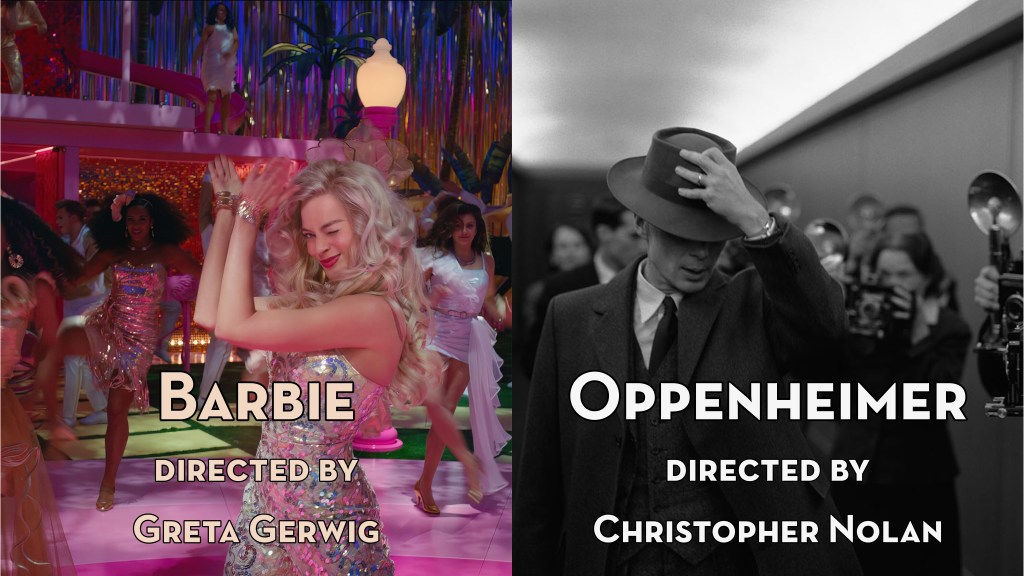
In a year when we were fully back from Covid lockdown, every public gathering became a hot ticket. None more so than for the pair of highly anticipated films premiering the July 21st weekend, Barbie and Oppenheimer. A dual commitment from both to not shift release dates meant that people could experience not one, but two zeitgeist moments in a single weekend should they refuse to choose.
The prevailing attitude, espoused by a generation which doesn’t blink an eye to unusual juxtapositions and cohabitations of styles and genres within playlists and personal bios, was that we could totally do both at once. Any old-world thinking of box office showdown became an afterthought as people planned their weekends accordingly.
For those of us in LA, it was a great exercise of our skills to make reservations and schedule a day around a movie theater visit. I didn’t overthink my double feature. I just found some times that worked and opted to blast hyper pop in the AM while munching on Red Vines before I cozied up into my black-coffee-fueled dad-rock den in the afternoon. But for those who needed to document and be seen embracing their multi-hyphenate identities to the extreme, the effect of these two films, taken together, flipped each of their creators’ original authorial intent.
I saw individual tickets for the extremely limited 70mm IMAX showings of Oppenheimer become—for the first time—highly marked-up, scalpable commodities, the ultimate trophy (golden or otherwise) which any single film could aspire for. Meanwhile, the longest queue not filing into either film’s showing wrapped around to the iconic Barbie box photo opportunity—before which groups of friends eagerly counted down to the moment they would pose shocked and awed before a flash. Within this shared theater space, it was Oppenheimer which best showcased a gross display of American consumerism, while Barbie became a drawn-out team-building exercise.
I WAS THERE WHEN IT HAPPENED:

How this film became the most touted conversation topic before, during, and after its release shouldn’t come as a surprise. It promised and delivered upon everything we thought we wanted: Euphoria set in a posh, fairytale estate with fancam Elordi; critical darling Keoghan awkwardly partying through the motions of sex and drugs; Pike serving all sorts of NSFW-mentionable looks on every red carpet unfurled from its rollout; and a series of “sticky” meme images you *must* see to understand their OMG contexts.
That all of this never convalesces into a meaningful whole is all quickly explained by Fennel’s position at the helm, now delivering 0-for-2 on films with any substance (she’s backed herself into the ugly corner wherein the only way she can keep her tilted, firebrand crown through her third feature is to shoot a dog).
But pound for pound, you can’t deny this film has more style than most this year. The accents, the clothes, the abundance of shots which will show up in other commercial directors’ mood boards for a long time to come, and yes, the music. This is 2007 electroclash and bloghouse pandering at its finest.
To take this question mark of a category prompt at its most literal, looking at 2007, yes, I was there when it happened. At least I can feel high and mighty digging up my hot take that “Murder on the Dancefloor” isn’t even a top-five Sophie-Ellis Bextor track.
HOT MESS OF THE YEAR:
They push the definitional limits of “watchable” and will probably never again be seen by anyone with autotomy over the remote or a modicum of self-respect.
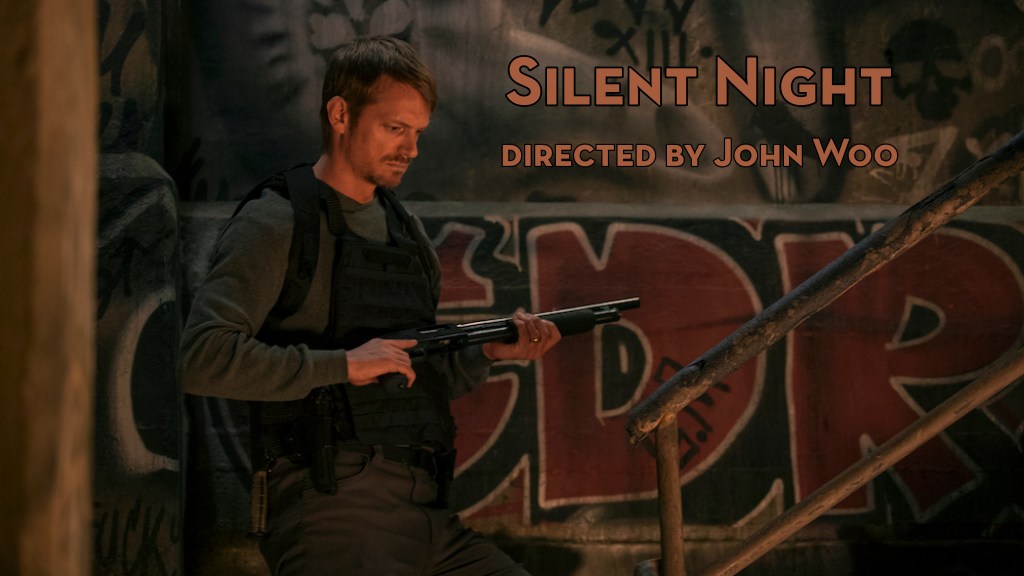
A film devoid of any dialogue need not be the province of the arthouse, but when this premise is stubbornly applied to a film that is so clearly internally screaming to say something, it must be recognized as a failed experiment.
There are many examples of successful action films with mute protagonists, but when every other character here is illogically rendered voiceless as well (within the same room, our hero’s wife can only convey her grief to him via an onscreen text message), it stretches the incredulity of this world to its limit and becomes more distracting and chaotic than the post-modern gangland anarchy in which it’s set.
While my ears thirsted for anything worth listening to on the screen in front of me, the barely attended theater I sat in also gave me little to focus on. My options: a full-volume but unintelligible argument in Russian from a couple who left halfway through the film or the dulcet sounds of snoring from a man in the row immediately behind me. Somehow both parties saw even less in this film than I did.

A very special Dishonorable Mention for this one because it took me multiple home-viewing attempts to trudge all the way through, a task I’ve now properly flagged as an automatic qualifier for this category ever since Space Jam: A New Legacy made me first realize that my lacking time management skills and poor judgement of priorities could at least produce a single line-item anecdote in my annual film writeup.
HONORABLE MENTIONS:
Because making a ranked list is hard, these shortlist candidates are ordered alphabetically.
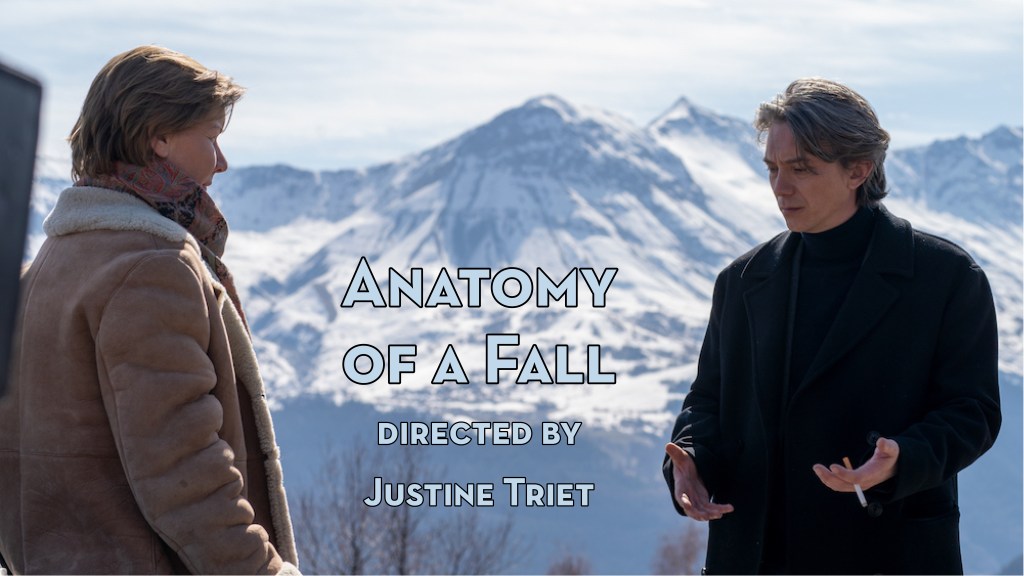
Delivering on the musical theater potential of a French courtroom’s composition, this rollicking song-and-dance number features blind boys, sarcastic lawyers, bad girl-bosses, and the most arch needle drop of the year. It was an instrumental!
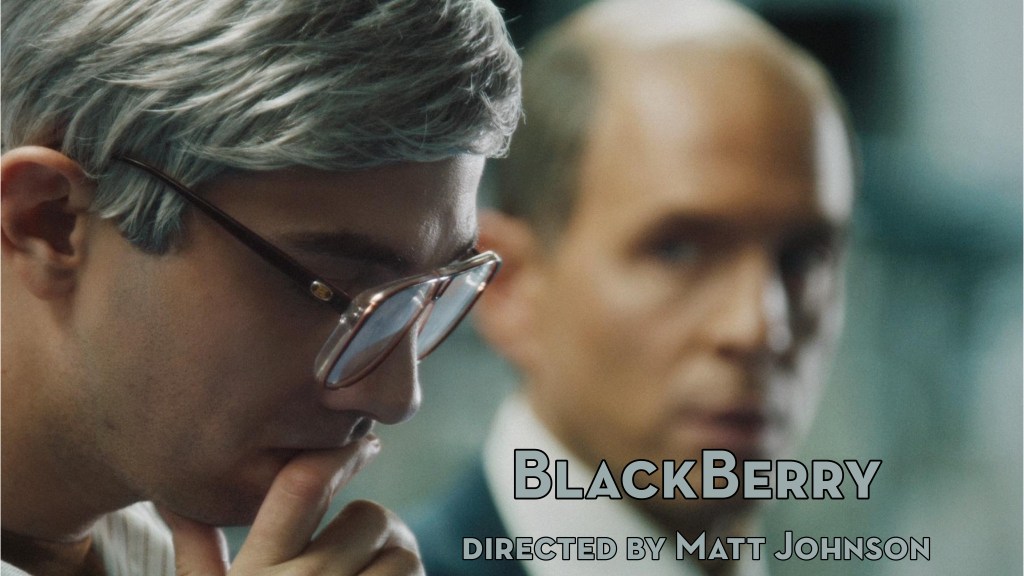
The genre of boom and bust tech tellings is becoming sadly long, but this one barrels through entertainingly enough by explaining its success rested on the shaky architecture of nothing more than boardroom boars and dumbly exploited technical loopholes. With a commitment to building local and covert NHL franchise machinations, this is the most proudly Canadian movie of 2023.

A hilarious, queer, modern Heathers, the perfect case study for elevating the subtext to the main text. It’s Not Another Teen Movie through the lens of Assassination Nation.
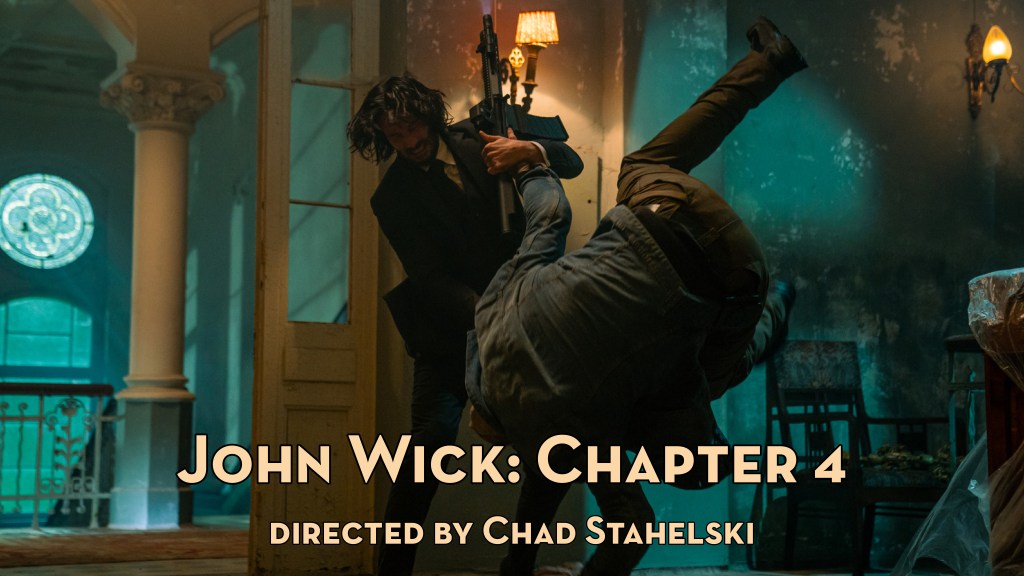
Points off for closing the book on a “4” instead of a “3”, as the steadily reliable acrobatic exposition finally hit its laugh limit. But for every down-note yin, there’s something like the dragon-gun shootout to provide the necessary, jolting yang to pick us back up and tackle the Sisyphean task of that Montmartre staircase three steps at a time.

Buoyed by a narrator more problematic and unreliable than a podcast host who over-performs for his video audience, this globetrotting one-man show folds up across six neat chapters. Fincher will say it’s a nod of respect to its graphic novel origins. Realists will say it’s him sneaking his slick, pitch-black visuals past the Netflix algorithm to deliver a more receptive audience, even if the stay-at-home crowd still haven’t gotten around to adjusting their TVs to properly display that one episode from the final season of Game of Thrones.
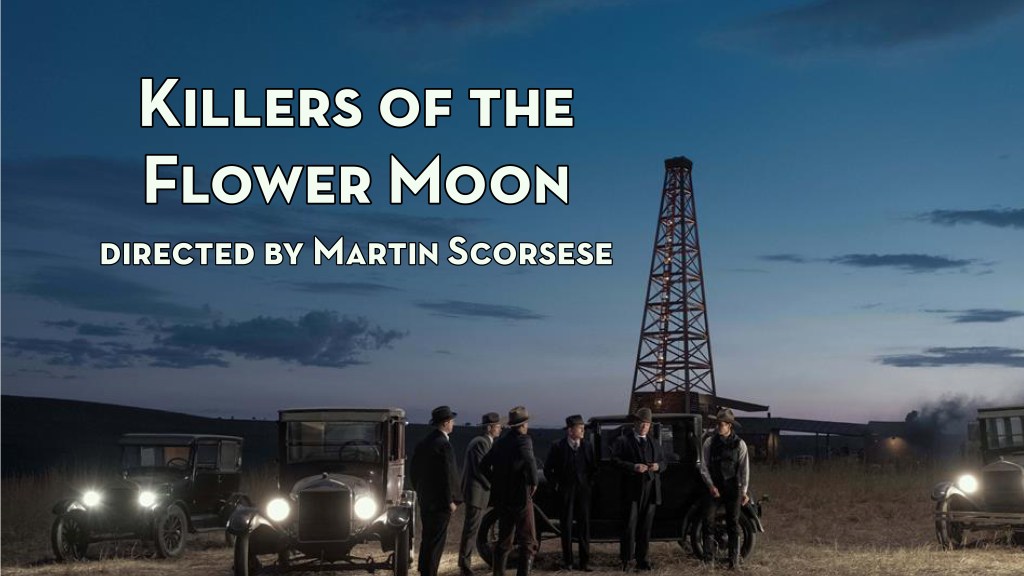
A marathon work, one that entertains and surprises by constantly changing up style and mise en scène on the fly. What’s more ugly American than wall-to-wall rock stars behaving badly and a captive audience listening to a live taping of a true-crime podcast hour?
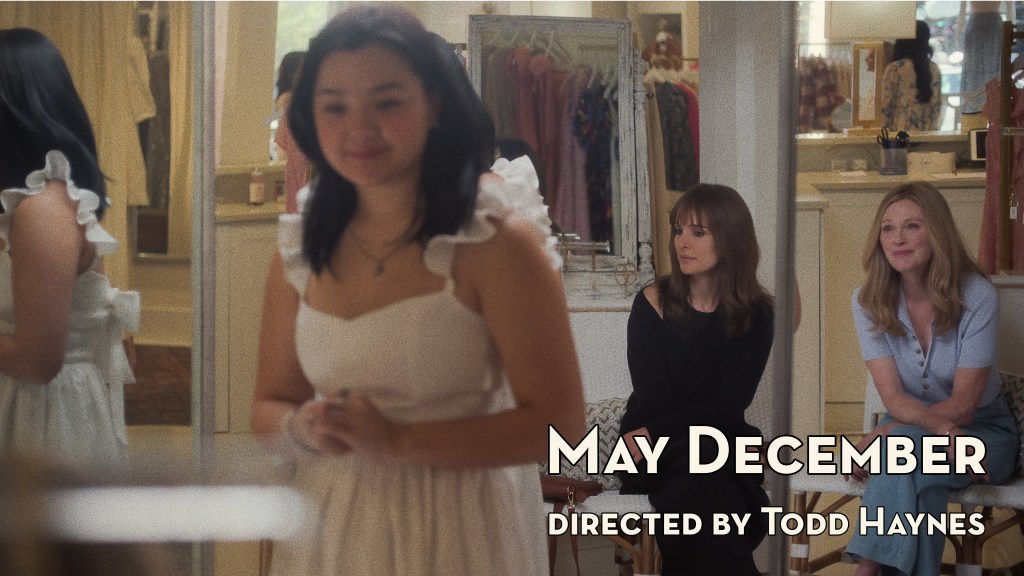
There’s an exhilarating feeling that washes over you the moment you realize the film you’re sitting in is camp, especially if that camp is initially camouflaged by the desaturated pastels of a tiny-town, coastal Savannah. An intentionally muted palette serves this emotional scab-picking tabloid melodrama well, as it appears to receive the same lackadaisical level of color grading care the Lifetime TV movie made about this unstable nuclear family will eventually receive.

While a well-drawn, interior tug-of-war emotionally anchors this twee LiveJournal entry, things really get rolling when third-wheeling is studied as a voyeur cringe curiosity. Sometimes love means being the bigger man and not staying home with your Playstation.
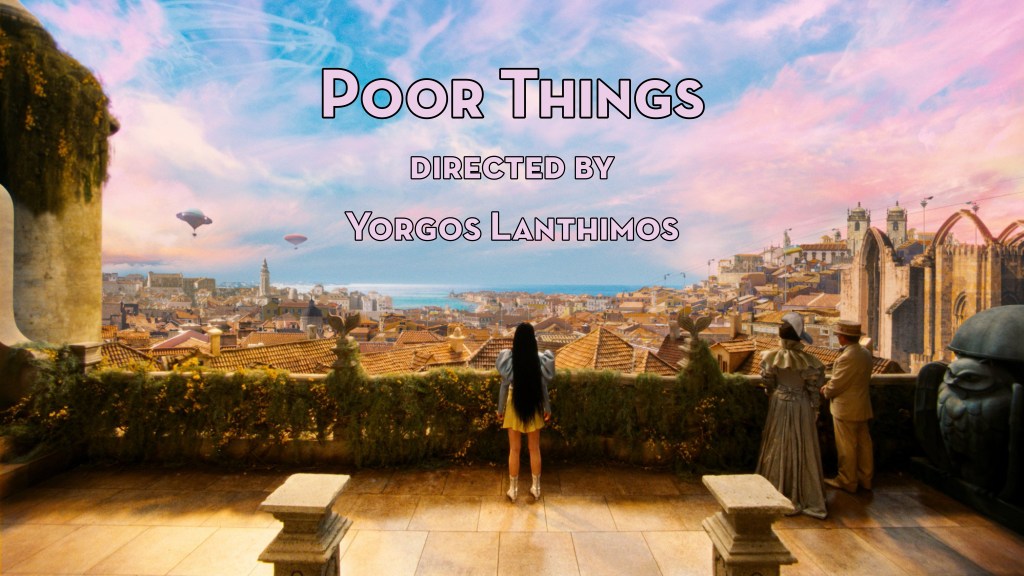
An unintentional funhouse mirror pointed at Barbie, a black-and-white reflection of that doll’s life lived backwards: our mortal protagonist conquers death, grows up within the patriarchy, discovers the support of women, rejects capitalism to become her “own means of production” (with all the genitals), and eventually retires in a very un-plastic utopia. Go girl!
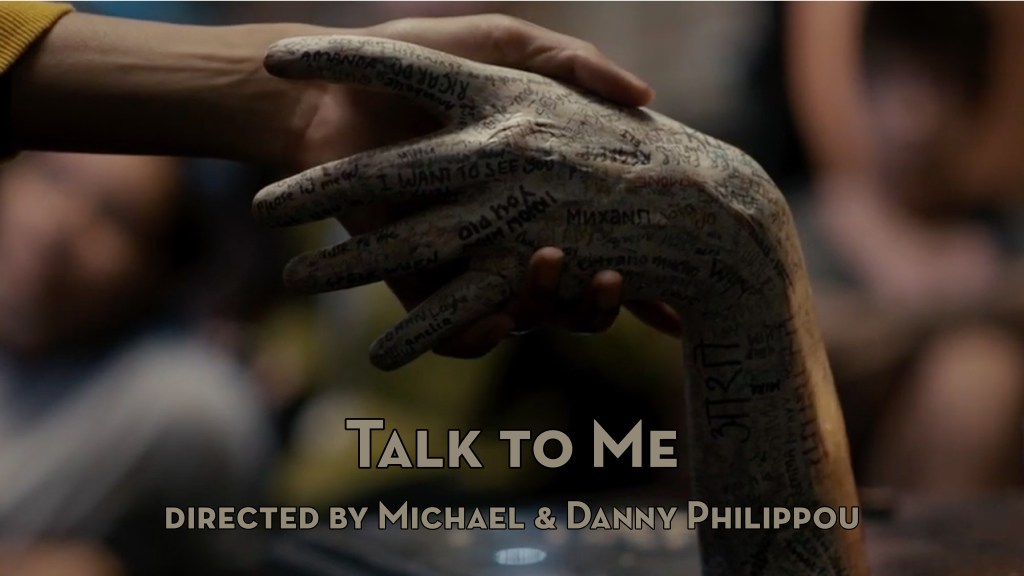
Fresh faces I care about, whip-smart directing, and a supernatural logic and context which make enough sense to me that the scares burrow in and earn themselves.
GREAT PERFORMANCES:
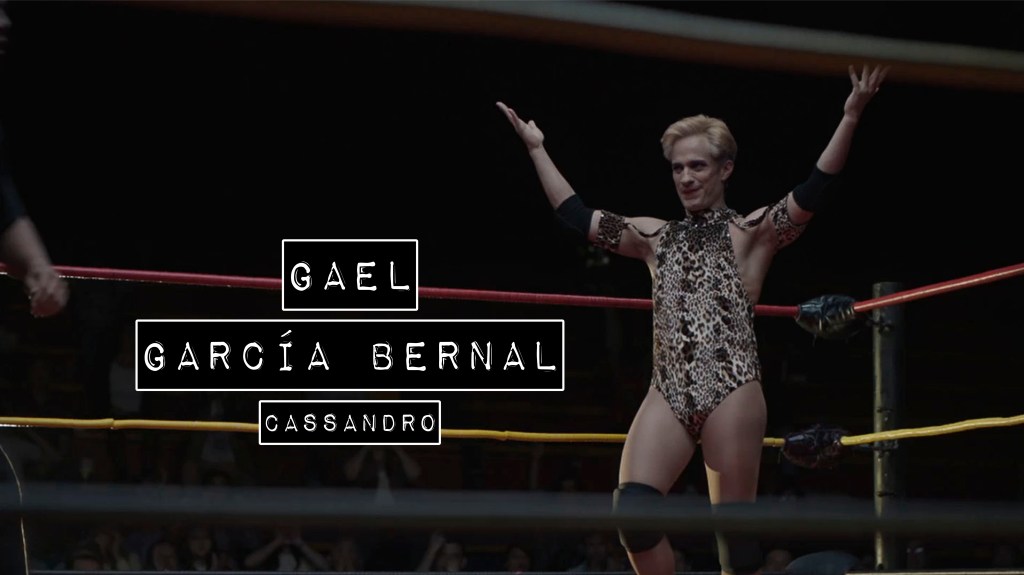
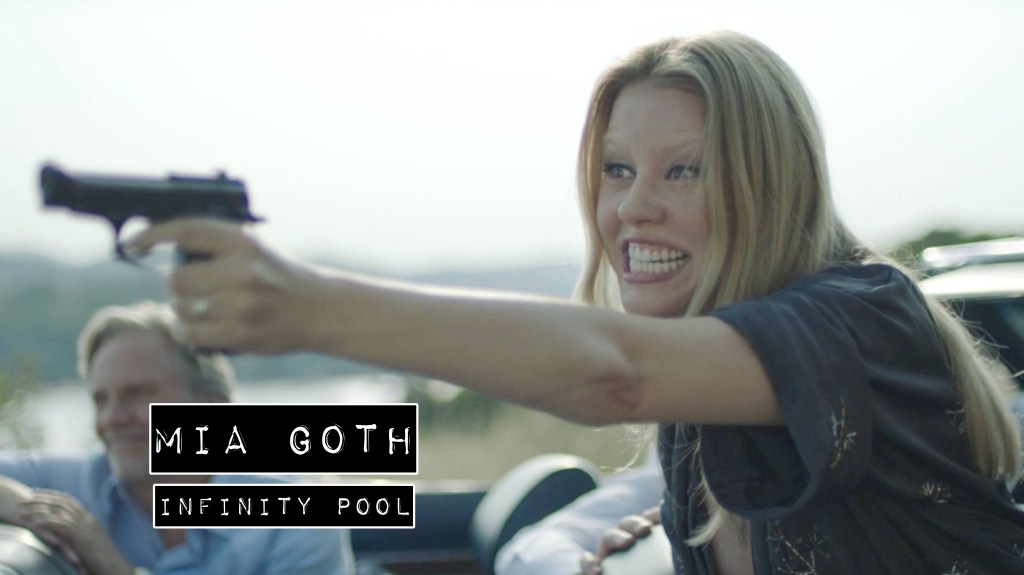
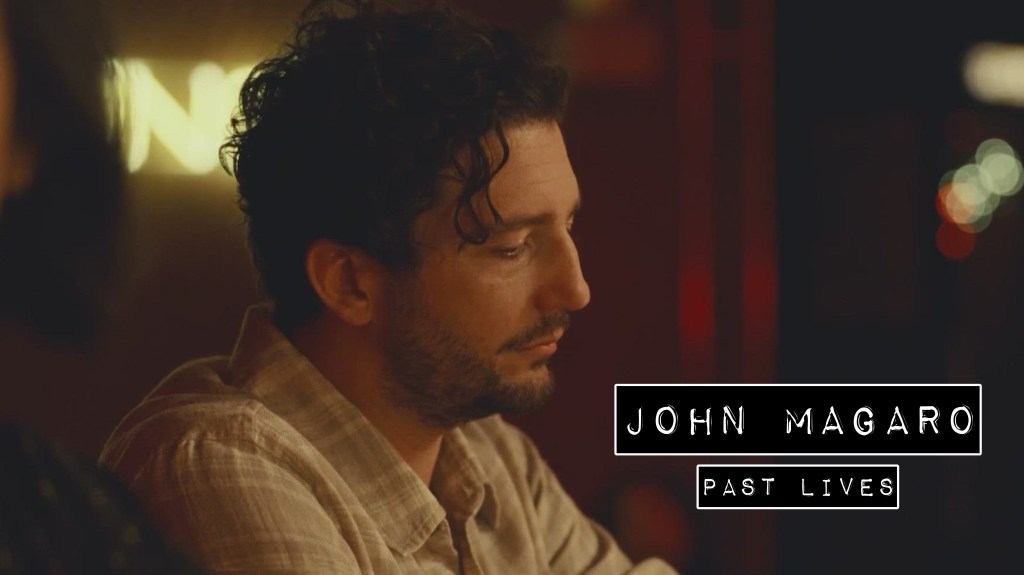
The actors who defined their films, made bad material great, and occasionally made you crawl the end credits just to see who that was, listed alphabetically.







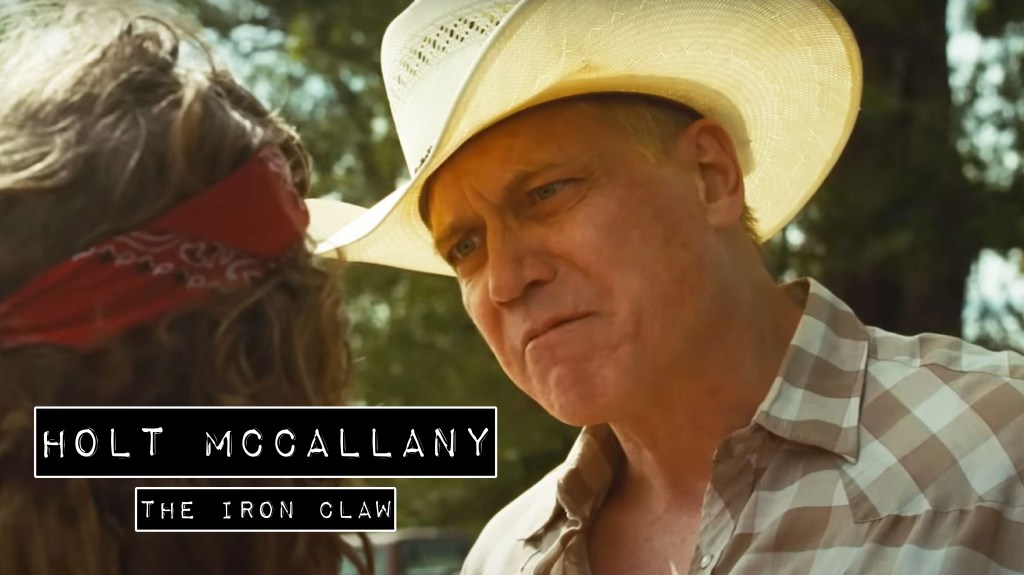
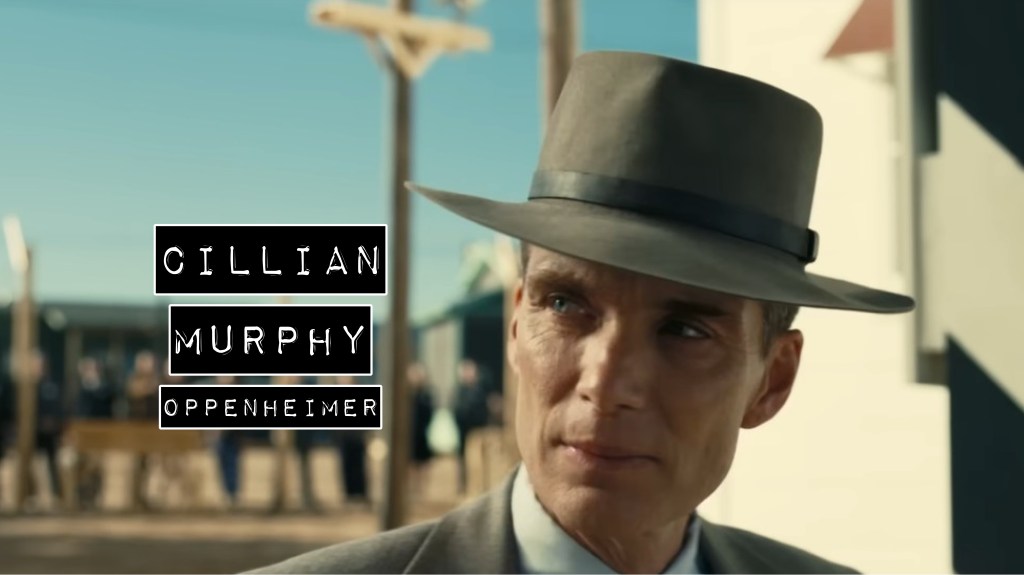
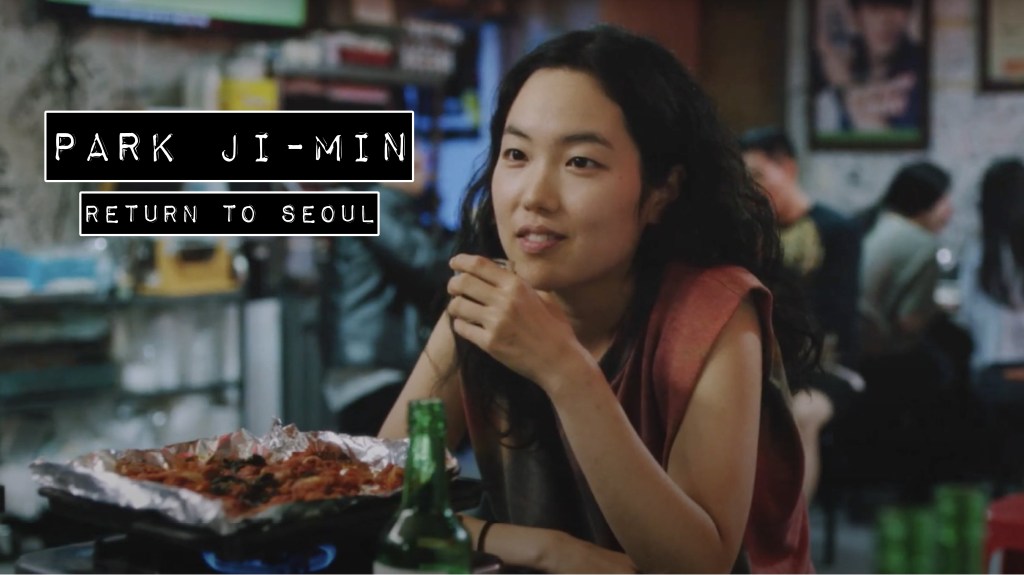

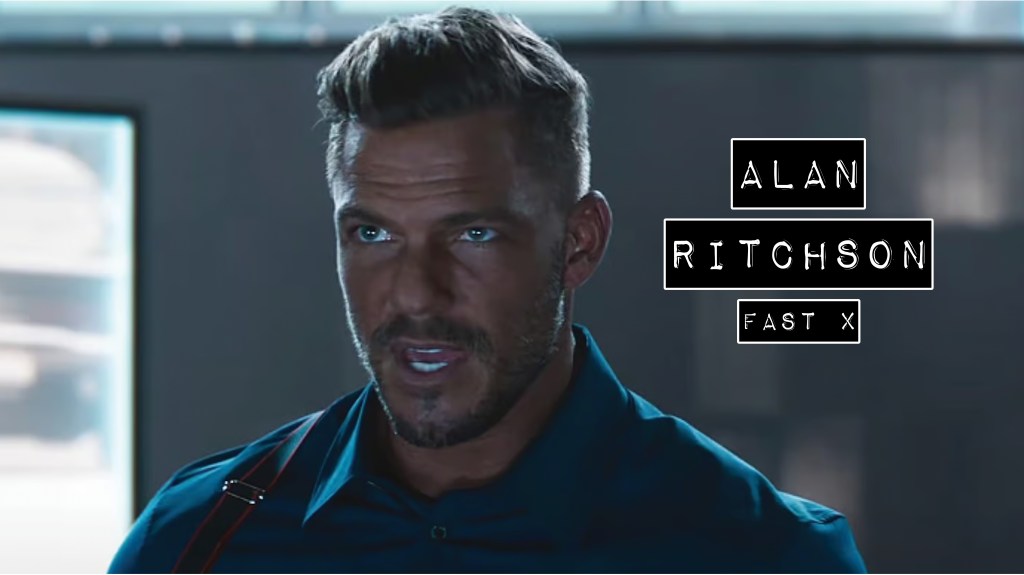



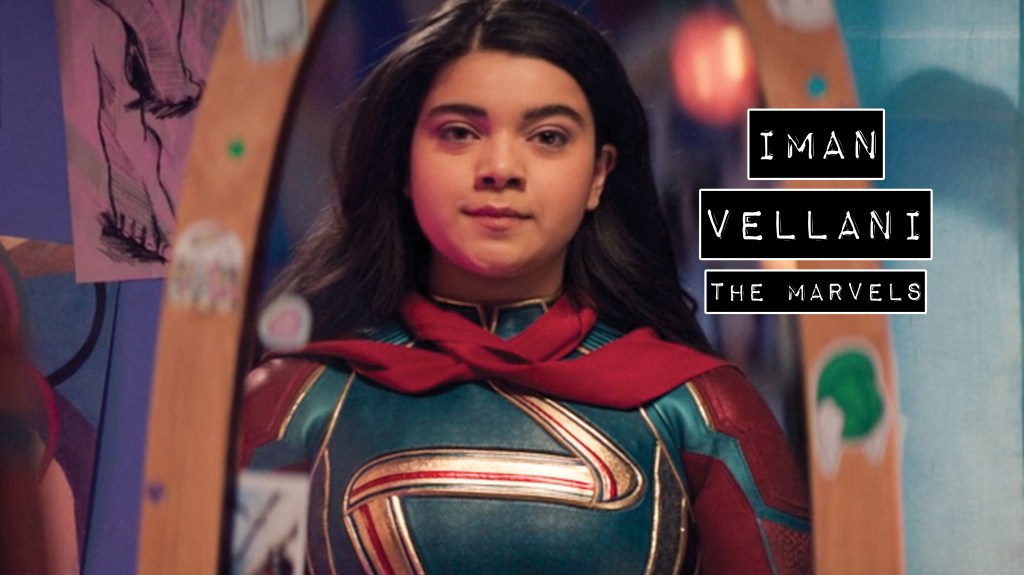
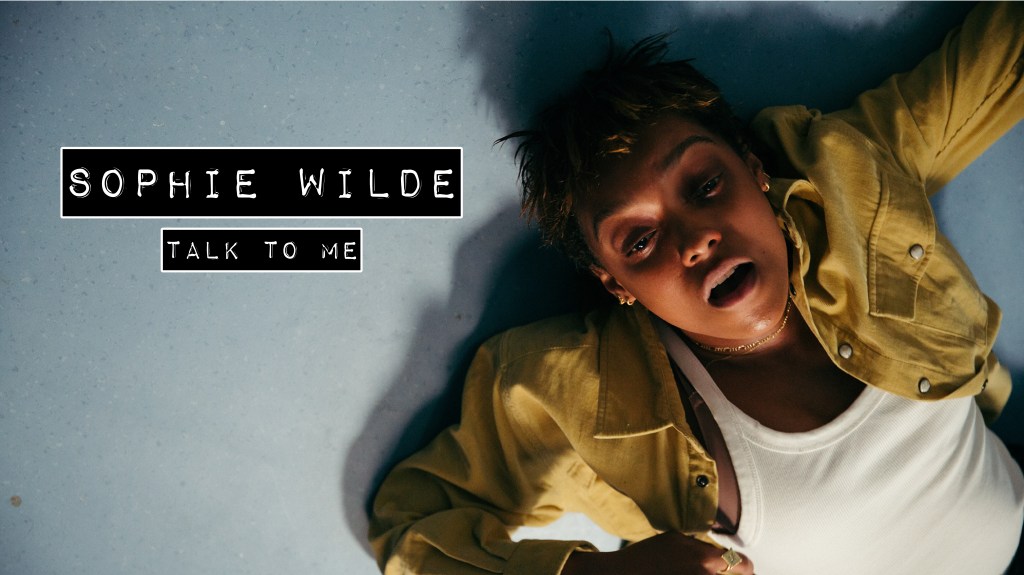
TOP 10:

The bones of this film are pulled straight from the best heist thrillers around—the team-building romp of Ocean’s Eleven, the hold-your-breath execution of Rififi, and the insurgent and incendiary provocation of The Battle of Algiers. If you get your kicks from people in a huddle talking through a plan to break the law, sign right up.
Just know though, these guys promise no cache of gold behind a vault door or the raising of your favorite flag. No fortune, no glory, just a tantrum to stay alive. But, if a quickened pulse is all it takes, then the way this story is assembled together will deliver, as the ratcheting up of tension triggered my most effective heart attack since Good Time.
While other films this year could erstwhile be described as “punk rock”, this is the one that’s actually driven a broken van across the blank Midwest and spent a night in jail with a busted lip. Hell yeah.
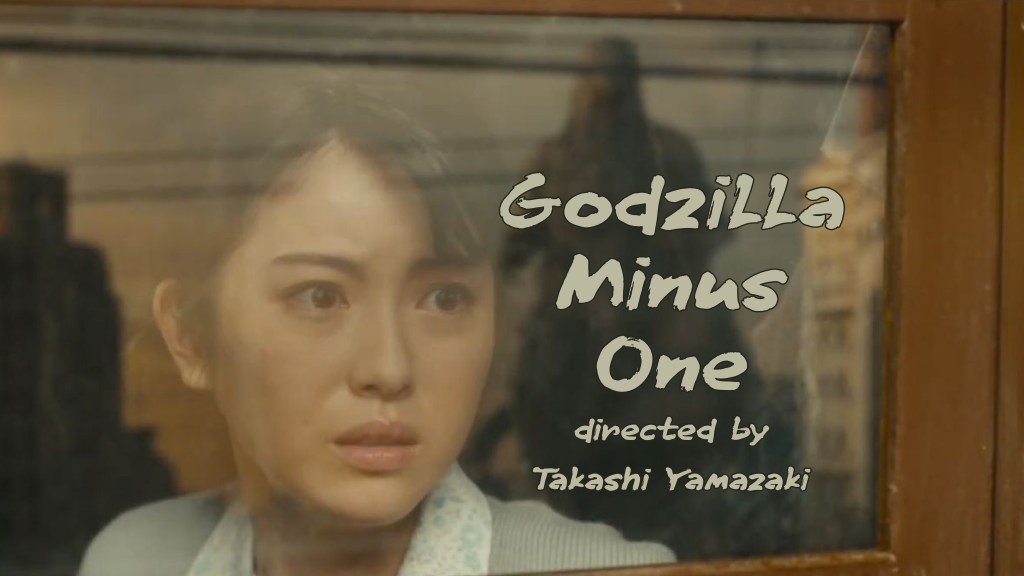
While 2016’s Shin Godzilla succeeded as a jesterly, acid-dipped criticism of a specific moment in Japan’s political history, this re-reboot seeks to be more atemporal and leave a longer-lasting influence. It’s not about making a snide barb at the world now, but building a blockbuster therapy project to conquer the demons who still haunt decades on.
It’s the perfect Godzilla story, a retelling of the original with a fuller, more contemporary emotional vocabulary. When this historical context is bolstered by a great supporting cast of actual characters, the monster sequences take on more meaningful import. As if the international acclaim of Drive My Car inspired a new wave of hard-fought optimism in Japanese cinema, what we have here isn’t a battle waged against a creature but for a battered humanity.
Win or lose, it’s never not fascinating that one of a country’s longest-standing, soft-power pop-cultural exports can so consistently and effectively criticize its own government.
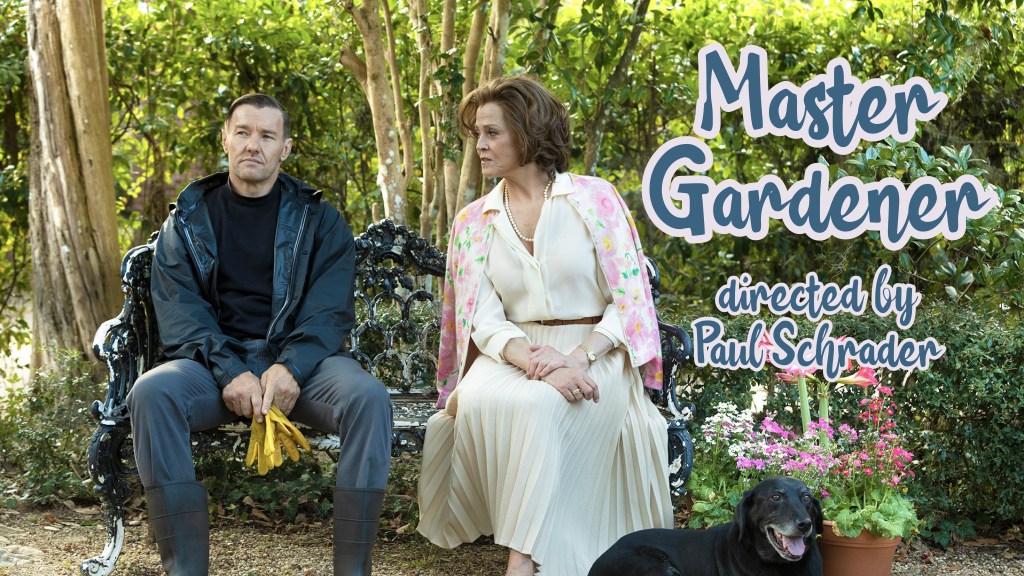
Capping off his “Difficult Men With Troubled Pasts” trilogy, Schrader takes us into the exciting world of horticulture to teach us a thing or two about rose bushes and a lot about metaphors barely buried in shallow graves.
Come for the weeding. Come for the journaling. If you can get on this film’s wavelength, its disregard for style (a purposeful anti-style?) is particularly fascinating. I’d argue outmoded crop-zooms and sloppy ADR matching aren’t just old-school flourishes but give the appropriate level of attention to messy, messy themes!
This is an ugly affair, but I love the gruff navel-gazing driving it all: can bad men become good guys if they pick up meditative hobbies? This is the stuff that boys like to think about!

If this film adaptation was inevitable, we are so lucky this is the form it took. While its feminist themes and corporate satire might be too light for the Third Wave, or too heavy-handed for thin-skinned others, they’re enough of a leap away from just the pure plastic fan-fiction this could’ve been.
While its Barbenheimer complement sought to awaken a public numbed from CGI by practically detonating a pocket nuke, the actual most audacious special effect of the year was as simple as the uncanny image of bodies running across an endless white cyclotron set. It’s this craft, a commitment to all the seen and unseen work in the margins (where the suits from multiple corporate conglomerates wouldn’t be able to give teardown notes) that this film succeeds.
I can appreciate this film just for it wanting to expose a wider, younger audience to radical filmmaking images both oft-imitated and the more obscure. Kubrick’s origin of man. Jodorowsky’s display of the sacred and profane. Tati’s office purgatory. Fosse’s danse macabre (it occurs mid-warfare after all). This is huge.
Even while Barbie the doll can be anything, this film could never be everything for everyone. But Gerwig’s worldview and her widely publicized list of influences she wants to share with fans will have a more meaningful effect on the public consciousness than any rundown listing all the dream cars featured and wrecked in Fast X.

Cronenberg again delivers not just his inherited namesake’s gross-out body horror goop or bleak outlook on a society constantly (consistently?) in free fall, but steps out from his father’s shadow to deliver a roaring, pitch-black comedy.
I shuddered. I howled. I wanted to read an incomplete history of its fictional broken European state, filled with anachronistic rituals and corrupt officials patterned in 1970s chic.
Leapfrogging the simple, first-thought sci-fi logic of a never-ending, sun-drenched Mediterranean nightmare, this holiday presents itself as something far more fun and inviting, one perhaps you could be convinced of never wanting to leave.
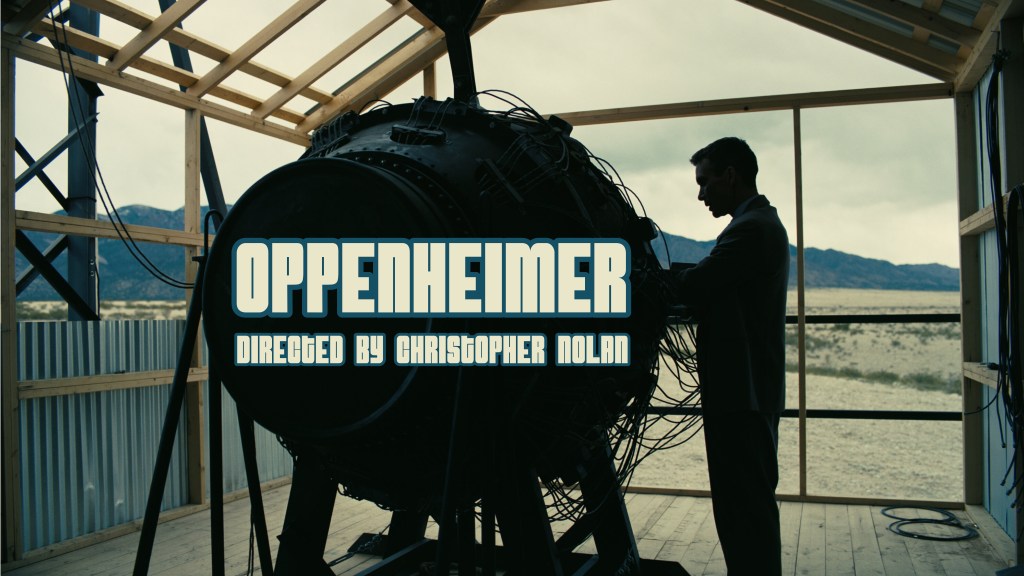
Like a series of electrons furiously spinning around an atom, there’s an Ouroboros nature to the ideas explored here, witty turns of phrases returned to time and time again, a man’s personal foibles gaining meaning if only as rehearsals for later-delivered elegant monologues and historical quotes.
Even if Nolan again returns to the well of using a time-jump to deliver a final-scene knife twist (now eliciting more memes than admiration), the rest of the technical team he’s assembled and their achievements more than make up for any minor flaws.
Ludwig Göransson’s score treats physicists like rock stars on tour, turning chalkboards into new frontiers, and giving emotional weight to interior universes as much as the grand-scale creation of new ones in the New Mexico desert.
Tying it all together, Jennifer Lame’s editing wins the film, keeping a three-hour runtime surging forward with incredible urgency, overlaying dialogue and cutting before action to keep us off-kilter as we attempt to simultaneously occupy multiple times and spaces all at once.
Even those who bemoan the third act’s rigid shift (arriving intentionally at exactly 2:00:00) into “boring” courtroom facsimile ignore its significance. The achievement of the big boom we all came to see must be soured before we leave the theater again. We must be forced to sit through an iota of aftermath so that any ingenuity or charm we assign to this whole affair is given enough time to decay into true, lasting horror, something no longer just purely impressive but now to be rightfully feared and avoided when reconsidering a rewatch. How’s that for fallout?

The mines are shuttered. The foresting is slowing. And though there’s an underlying dread about something lurking within the still-dense woods, that’s just a distraction from the slow-burning fire that’s creeping across the Transylvanian countryside and right up to everyone’s doorstep.
There’s no clear-cut, black-and-white visual given to this fomenting rage, but Mungiu trusts we’ll be able to recognize a universal story even if we’re hazy on plot or ignorant of its real-world context. On the other side of it all, there’s still an entire history here I can attempt and fail to fully unpack.
All we need to understand is that this is about nativism, self-reliance, breaking bread and eating glass, and the ironies and limitations which reveal themselves in espousing interdependence, intra-dependence, AND independence.
Squint and you’ll recognize a complement in your own backyard, whether it’s the regular townsfolk keeping their heads down and just trying their best, the brutish main character the film abandons partway through the same way the rest of society does, or an ever-curious, open-minded cosmopolitan figure unfairly anchored by circumstance to her birthplace. Poetically, the latter spends nights performing Shigeru Umebayashi’s “Yumeji’s Theme” on her cello all alone. As one of just the many who are overlooked in Eastern Europe, she’s found a forgotten language of the Eastern World to properly deliver a futile cry for empathy falling on deaf ears.
If that’s too obscure for some, the film climaxes with a more easily recognizable scene, a single-take town hall showdown. As a debate on what to do about an “influx” of migrant workers devolves into a polyglot blame game, deep-seeded animosities amongst layered Romanian, Hungarian, German, and Gypsy identities push and pull, portraying a Tower of Babel crumbling in real time. Between the lines of color-shifting subtitles, any American viewer will hear echos of the familiar “We didn’t cross the border, the border crossed us!”
That the most poignant and clear-minded modern period piece of any origin came from a place I’ve never given much thought to stirs in me a chilling realization: if we look up, this fire is burning everywhere.
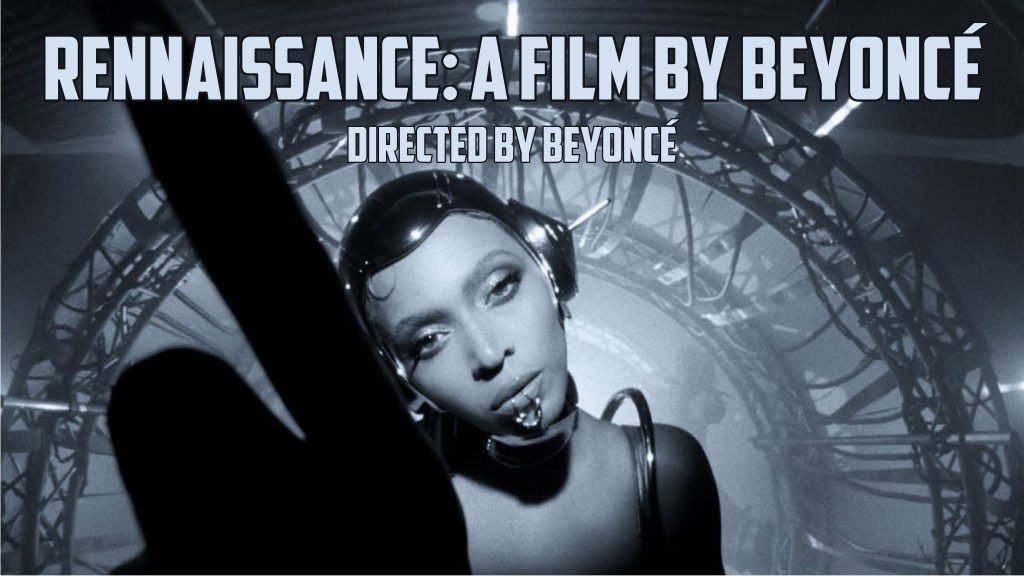
Early in this film, Beyoncé’s face is projected onto a multi-story screen before an arena audience. Like she was a cosmic body with undeniable gravity, a star orbits her, casting a roving shadow and illuminating every corner of her face, unearthing every discernible flaw and enlarging it tenfold. In laying bare the very human, physical base that Beyoncé the director starts with, she is asking us to recognize all the work she and her team do to build Beyoncé the icon.
Alongside this stadium-sized sculpting is an ever-present confessional narration. Whether you believe these thoughts to be genuine or side-eye them as just more artificial image-making, it’s undeniably clear, Beyoncé has taken her grandmother’s words to heart: “If you can make someone look good, they will love you.” Yes, Beyoncé loves herself.
How else to explain the first jaw-dropping visual medley that opens this film? On display is an editing technique I’ve never seen attempted anywhere else (not for lack of imagination, but simple wardrobe limitations), which I can only describe as Sartorial Syncopation, cutting on the beat of the music across dozens of live performances to create a kaleidoscopic flash of Beyoncé wearing multiple outfits separately and simultaneously.
The logistics that make any of this even possible are explored in an in-depth explanation on the scaffolding—both mechanical and emotional—which literally sets her stage for Busby Berkeley crane choreography, Fritz Lang-inspired Afro-Futurism, and a repackaging of the ballroom world first explored in Paris is Burning for a much wider audience.
Only after passing through the stargate of Beyoncé’s entire universe, you realize this is not a concert film. This is not a rundown of her greatest hits (in fact, it’s those omissions that allow under-looked songs to shine brighter). This is a physical performance you’ve never seen before and a declaration that Beyoncé could read the phonebook and make it sound meaningful.

The simple log line is the green light for the novel this is based on. That’s the what. The how is what positions this adaptation as a divisive, love-it-or-hate-it “best or worst of the year”, but also, undoubtedly one of the few “films of the decade”—one considering not just this first impact but the rolling tally of every director who will dare crib from this frightening, reorienting vision in the years to come.
Because in the face of unspeakable evil, an entire genre of storytelling was created, its lesser renditions and visual shorthand making its immensely serious subject matter unfortunately rote. How could Glazer lure a modern, numbed audience back into this moment in history and convince them to not avert their eyes? In the grossest way possible, by giving the people of now what they really want: a trashy reality show.
Deprived of any actual onscreen horror, we’re left with an almost Kardashian-like slice of life, rotten comfort food detailing the unequivocally worst people in the world. As the audience becomes fat on family sitcom scenes, Glazer inserts subtle hints lingering innocuously at the edge of frame or just out of view.
Likewise, within everyday empty conversation, single words have been surgically inserted to serve as ever-nagging reminders. The ultimate quivering-hand litmus test, the genesis of the film’s only purposeful laugh-line—a most high-wire feat—is the result of a most dutiful bureaucrat’s delivery of a rote sign-off to be even more rote. When even pledges of allegiance become dangerously mechanical (he was just following orders “et cetera”), we’re reminded that language papers over horrors just as effectively as concrete walls.
And yet, still the most oppressive obstacle, one which I feel is the basis for assignations that this film is “monumental” or reminiscent of a Richard Serra work, is this score. Mica Levi’s minimal, totemic drone is immediately conscripted to join the ranks of Krzysztof Penderecki’s “Threnody to the Victims of Hiroshima” as a missive from the depths of hell. Paired with springtime bird chirps and a frightening editorial color block, the full impact on the audience is an aural monolith we can only cower before. Your will want to climb over this frame. We must see something else. We must hear something else. Even if it’s binge-watching abject horror, ignorance is a deadlier threat.
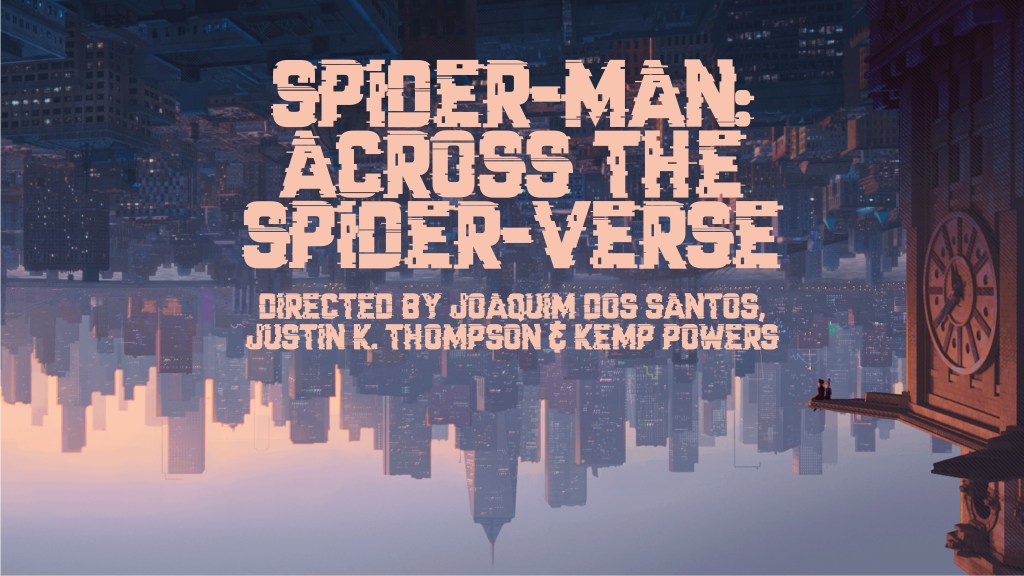
Like any great second episode (The Godfather Part II, The Empire Strikes Back, Toy Story 2), we’re immediately presented here with an unexpected U-turn in perspective, pitching us directly into the world of Gwen Stacy.
As a cold open, it’s a welcome fresh start, but it’s not a new Spider backstory or the promise of a father-filled emotional arc which hold any meaningful sway over the audience. Those details are almost comically yadda-yadda’d to nothing more than rough sketches, as the real draw here is a blank canvas for a radical palette of pastel watercolors and pop-punk synth possibilities to take form.
It’s these bold sensory strokes which whisk us through an action scene that continues to introduce multiple new complications, new characters, and further tangles a web we were only just thrown into. Before the title cards even roll, the first 20 minutes of this film feature more interior life and paradigm-shifting stylistic ideas than potentially the last 20 years of film.
Thankfully, none of this these AV leaps forward come off as heavy-handed, as a rapid fire of jokes and blink-and-you’ll-miss footnotes reassure me I’m having a good time, even when I get lost in the ever-stacking A-B-C-D plots. It’s all going to be ok.
With every rewatch, I continuously struggle to delineate how many clear acts this film even has. Is it a clean, serialized three? Or is it a single-sitting binge of six episodes? It’s this disarming of my ability to detect when one issue of Spider-Man ends and the next one begins which makes this the perfect comic-book film.
Because in this amorphous structure, I can remind myself: this is all bigger than just that Spider-Man. This is a fulfillment on the broader promise of multiverse storytelling, that no single story—not even a single character—has to be “the one” any of us care about. If by the third film that concludes this Spider-Verse saga, we see an entire war for the fabric of time and space from the POV of an entirely new character still yet to be imagined, I would be thrilled.
We’d probably get to see more new visual artists surface from the depths of online to guide us into these new worlds, rock out to another stellar B2B set between Daniel Pemberton’s kitchen-sink score and Metro Boomin’s superstar lineup, and witness Hailee Steinfeld build even more upon her already committed vocal performance on display here, prying open the possibility that the Academy Awards might finally recognize acting and art in all its forms.
EVERYTHING I SAW IN 2023:
M3GAN / Plane / Infinity Pool / Knock at the Cabin / 80 for Brady / Magic Mike’s Last Dance / Ant-Man and the Wasp: Quantumania / Shotgun Wedding / Saint Omer / Return to Seoul / Inside / 65 / Scream VI / Tetris / John Wick: Chapter 4 / The Super Mario Bros. Movie / Dungeons & Dragons: Honor Among Thieves / Creed III / How to Blow Up a Pipeline / Air / Evil Dead Rise / Beau Is Afraid / Polite Society / Guardians of the Galaxy Vol. 3 / Fast X / Master Gardener / Sanctuary / Emily / Migration / Blackberry / Past Lives / You Hurt My Feelings / Spider-Man: Across the Spider-Verse / Transformers: Rise of the Beasts / Asteroid City / The Blackening / Sharper / Elemental / Extraction 2 / Indiana Jones and the Dial of Destiny / No Hard Feelings / Rye Lane / Sick / Reality / Nimona / Mission: Impossible – Dead Reckoning Part One / Barbie / Oppenheimer / Talk to Me / Teenage Mutant Ninja Turtles: Mutant Mayhem / Passages / Bottoms / Gran Turismo / Chevalier / They Cloned Tyrone / Showing Up / The Equalizer 3 / Theater Camp / A Haunting in Venice / The Creator / The Royal Hotel / Strange Way of Life / Dicks: The Musical / The Wonderful Story of Henry Sugar ; Poison ; The Swan ; The Rat Catcher / Reptile / Anatomy of a Fall / Killers of the Flower Moon / The Pigeon Tunnel / The Killer / The Pope’s Exorcist / Priscilla / The Covenant / The Holdovers / The Marvels / Dream Scenario / Are You There God? It’s Me, Margaret. / May December / No One Will Save You / Next Goal Wins / Saltburn / Napoleon / Thanksgiving / A Thousand and One / Luther: The Fallen Sun / Cassandro / Quiz Lady / Godzilla Minus One / The Beanie Bubble / The Iron Claw / Silent Night / The Boy and the Heron / R.M.N. / Leave the World Behind / Poor Things / Eileen / Wish / Fingernails / Maestro / The Zone of Interest / Monster / Wonka / Renaissance: A Film by Beyoncé / Afire / American Fiction / Fallen Leaves / Rebel Moon – Part One: A Child of Fire / All of Us Strangers / The Last Voyage of the Demeter / Ferrari

 justshortcuts.com