
THE GIST:
Welcome to my year-end filmography rundown.
This list is an ongoing tribute to my friend who instituted this format, crappy DaFont stylization and all. The usual tardiness with publishing it before the year’s end is no one’s but my own.
Now firmly established in the film industry, I don’t need to wax as much about what it’s like to be inside the machine, but to keep things unbiased and above board, I’ve removed the film I worked on this year from consideration in the below categories.
For what qualifies as a 2024 release, I still hold: if as a member of the public, could reasonably buy a theater ticket in Los Angeles to see it, or if it was widely published to an online platform in the United States, it counts.
I saw a lot I loved. I had a lot of trouble whittling down this list. And there’s still so much out there for me to see. The following consider 129 releases from 2024.
Enjoy!
THE UNHERALDED:
The films that never found their audience, could just use some more exposure, or deserve another look.

Adlon modernizes the gross-out comedy but treats it like a Cassavetes film, pulling amazing performances out of bit roles. The guy last seen suspected a serial killer in Zodiac earns a laugh every time he’s on screen.

While the plot is frustratingly by the numbers, the story Stevenson wants to tell—and the way she does so with totally awesome images and blocking—promises more for her than for this reboot prequel’s teased sequel.

The best horror films use the genre as an affordable on-ramp for filmmakers to really show off their style. I was never scared, but constantly thrilled. For a slasher flick, there feels like there’s ideas buried within it, even if they never fully form. I can’t wait to see what Nash does next.

Josh O’Connor plays a dusty drifter rolling from town to town, digging up artifacts from another age and getting tossed around in the process. It seems all he really wants to do is just sit still and enjoy a cigarette, but with references to ex-flames and zany side quests abound, this slow-roller could be our generation’s mumblecore Indiana Jones. Give me three more of these.

We love women who have it all and still feed the urge to throw it all away for peculiar and destructive hobbies.
FAVORITE MOVIEGOING EXPERIENCE OF 2024:

Serving as a nice interlude between two heavy halves of chamber piece bickering, pop star concoction Vesta Sweetwater (what a name!) performs “My Pledge” for a crowd of New Rome’s elite. Live financial contributions pour in telethon-style as an almost entirely artificial person (I mean, she can literally just double herself onstage) lays out her noble pledge of virginity.
It’s too much to take seriously, yet stands as a more successful satire of America’s Puritan obsession and empiric bloat than even Gladiator II’s slightly queer Denzel Washington or a parade of deadly rhinos and sharks and baboons, oh my. As the final notes ring on Sweetwater’s performance, Coppola turduckens the moment with a display of an invisibility garment (“You can see right through me!”) and a tabloid smear campaign. In the midst of this chaos, I was air-high-fiving the six other people in the theater with me. What a time. Coppola gave generously!
I WAS THERE WHEN IT HAPPENED:
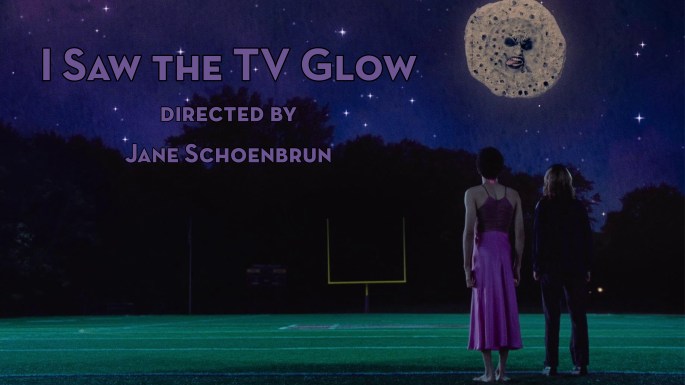
An aggressively earnest and tonally particular coming of age through the lens of pop culture’s stranglehold on young escapist minds. It’s a universal enough hook to be able to introduce urbanites to midwest malaise, cis kids to trans self-discovery, and successfully bridge the generations “latchkey” (the director) and “screentime” (most of the audience).
What will always be universal is recognizing what we lose as we age, realizing far too late that the most deeply felt moments in our lives will always be during a very brief span which at the time we couldn’t wait to be over. I look forward to remembering this movie ten years from now like a YouTube-fueled Velvet Underground: it didn’t sell a lot of tickets, but everyone who bought one went out and made a movie.
HOT MESS OF THE YEAR:
They push the definitional limits of “watchable” and will probably never again be seen by anyone with autotomy over the remote or a modicum of self-respect.

After an absolutely stunning performance of dragging things out and killing the clock, Rebel Moon — Part Two: The Scargiver unfortunately locks up this title and nabs back-to-back wins for the franchise. I shudder to think they could complete a dynasty run if we see more in a planned series.
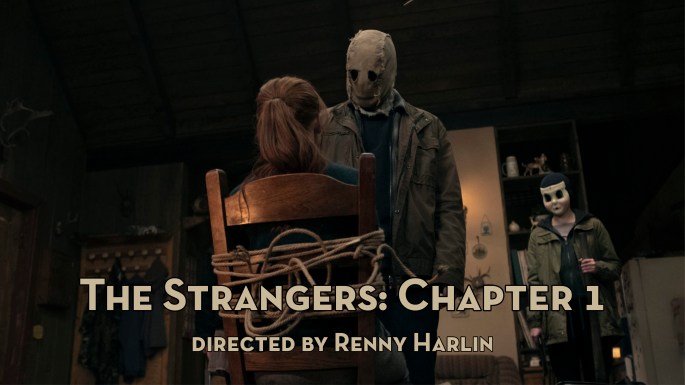
On a brighter note, there is a promising fresh face in the conversation of IP bloat. The Strangers: Chapter 1 so confidently titles itself with promise of more to come, even if its killers’ impossibly quiet soft-soled shoes push credulity. Time will tell if the Snyderverse can share space with Harlin’s redemption tour.
HONORABLE MENTIONS:
Because making a ranked list is hard, these shortlist candidates are ordered alphabetically.
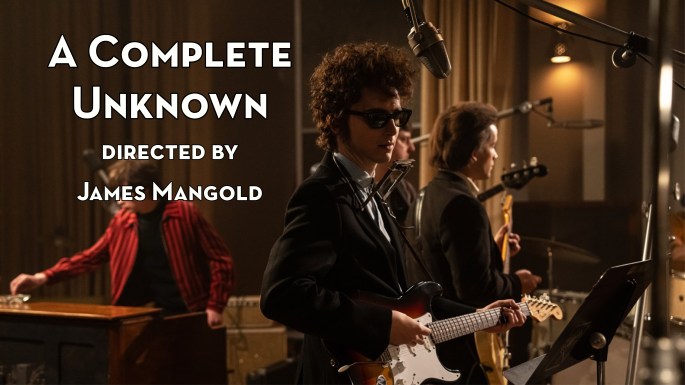
Mangold has such an old-fashioned approach to storytelling, one suited to draw you in if you caught one of his films halfway through on cable rerun. Clear, unsubtle, and avuncular, it’s linear with smoothed edges. Bump-in-the-road bad guys will glare, push pie around on a plate, and smoke from cigarette holders; televisions exist in every room only to be on and read the news; rhetorical questions serve as plot markers; and you don’t need to rewind 10 seconds to catch that again—every character is introduced three times (“I’m Al Cooper.” / “You’re Al Cooper?” / “He’s a guitarist.”).
All this and a non-stop parade of visual and audible footnotes (they’re not easter eggs if we’re covering real life) fill every frame, allowing us to speed-read the 60s through a very specific, if crowded lens. This is leather jacket Americana in bold type, not artsy but extremely functional, a Christmas Day gift for dad that’s not a WWII coffee table book about submarines.
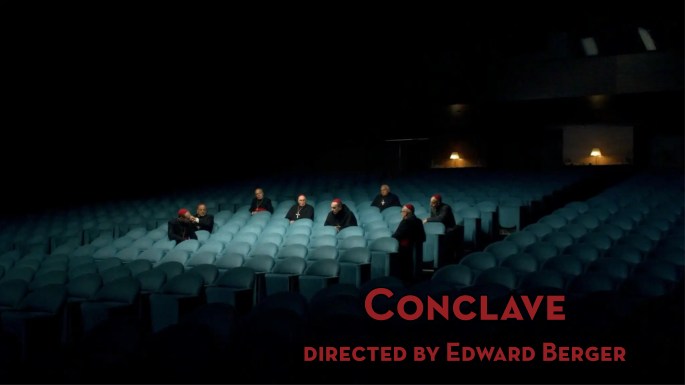
Though celibately flirting with Angels and Demons pulp mystery and the prestige-with-loafers aesthetic of The Young Pope, this is really just an overdue Mean Girls adaptation for audiences who can name their favorite catty Ecumenical Council (mine’s Vatican II). From a single-gender worldview, a popularity contest wages with burn book distribution, an iconic LGBT ally plays the smirking best friend, and the cafeteria table clique pecking order comes to represent all of society. Gossip sponge extraordinaire Isabella Rossellini would make a great high school lunch lady.
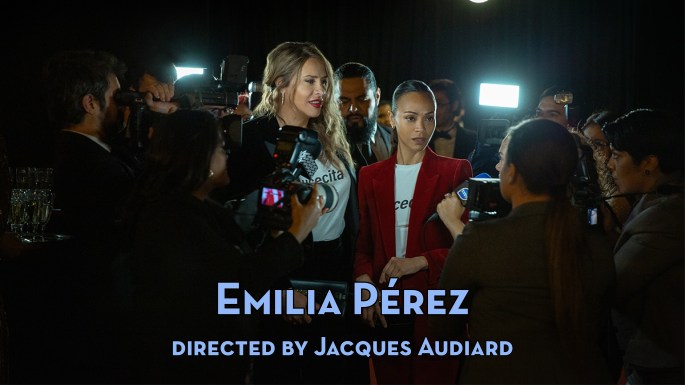
Bless the French. Audiard is giggling to himself, having successfully cracked the Netflix algorithm with the right thumb-stopping SEO combination of “Gritty, Intimate, Musical, LGBTQ+, Family Relationship, Based on a Book, Heartfelt, Social Issues, Drama, Movie.” I’ll take any quadrant-busting, international co-production genre gumbo which lets Zoe Saldaña sing and dance. As for Selena Gomez, let her enjoy her hour in the yard away from her geriatric TV bunkmates.
Regardless whether this was meant to be genuine or insurgently subversive, we at least still have proof that something different can still be made. Kudos to the marketing team for coming up with the tagline “You’ve never seen a movie like Emilia Pérez.” It’s provocative yet also hollow, like Cosmo Kramer shouting into a phone “Why don’t you just tell me the movie you have selected?”
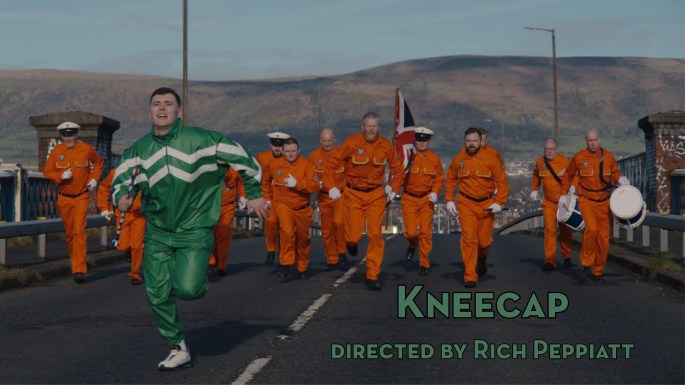
Messy, bratty, and potty-mouthed, this is a welcome punk approach to addressing the scars of British colonial rule in the North of Ireland. A film about the power of language and identity which is anything but dusty and dry, only the coolest of high school social studies could integrate clips of it into their curriculum.

A leap forward in what films can look like. It’s as if Ross broke Errol Morris’s Interrotron camera free from its roots, eschewing static talking heads to show us the rest of our lived-in world. The ability to glance up at the sun, feel the grass, and when characters are—and aren’t—keeping eye contact grounds us in a startling way, furthering the case that film can be the ultimate empathy machine. When we later discover that this first-person POV can also be used to subvert storytelling norms, we’ve traveled someplace completely new. We’ve seen space, we’ve seen the wonders of the deep, maybe we should project this onto a science museum’s towering IMAX screen.

“’Komorebi’ is the Japanese word for the shimmering of light and shadows that is created by leaves swaying in the wind. It only exists once, at that moment.”
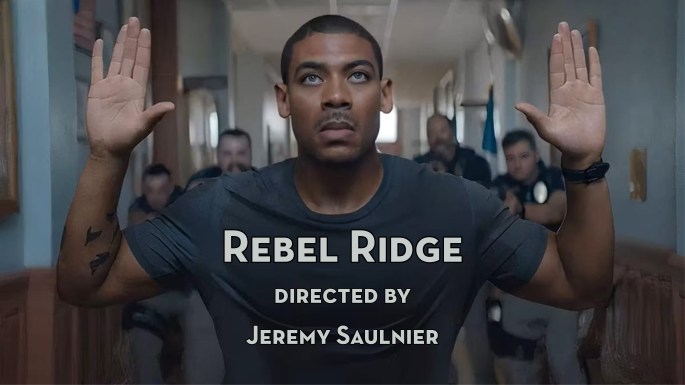
Saulnier excels at writing his characters into corners and then having them wriggle out in the most inventive and surprising ways. A sundown town potboiler with enough leeway to give every minor character their proper nods.

Possession gets the Disney princess treatment. That’s not a misogynist dig, but an endorsement of this cautionary tale’s very clear elevation of subtext to text. Characters say what they want, like what they see, and even in a world chained to a perpetual 80s aesthetic, the wretched—and eventually ignored—curse rules are delivered in an achingly modern way: cleanly delineated steps on a box of prescription drugs delivered right to your mailbox. Demi Moore peering into a snow globe featuring her younger visage would be the perfect teaser poster if this actually was one of Disney’s misguided attempts to reactivate an aging property as a sympathetic villain origin story. Fargeat doesn’t need this framing device to sell her story though.
Her source material is the bitter aftertaste that follows decades of anti-aging serum TV commercials. We know better than to take the Substance, but we want to buy into that world. Sure it’s satire, but it can also be cult couture. Check out my neon green Nalgene bottle, my sparkly pink leotard for Halloween (it’s ironic), and spotless monochrome bathroom, the perfect backdrop for a burgeoning GRWM channel. Come fly with me to Côte d’Azur. We’ll rent a muscle car and can pretend we’re in Los Angeles. What’s real anyways?

So much fun, so pure, so kindhearted and clear with its intentions. It’s a grand-scale genre pic shrunken and slowed down to June Squibb’s size and speed not because of a looming geriatric joke, but as a sly way to execute bombast at an indie scale. This is just movies at its best.

Shyamalan leans in and goes full Brian DePalma to bully his way through NPC-ass dialogue. A non-sensical roller-coaster which invites audiences to turn against it yet also cackle in unison. I love imagining Shyamalan asking his daughter Saleka (Lady Raven!) if the kids still use Instagram Live anymore.
GREAT PERFORMANCES:
The actors who defined their films, made bad material great, and occasionally made you crawl the end credits just to see who that was, listed alphabetically.


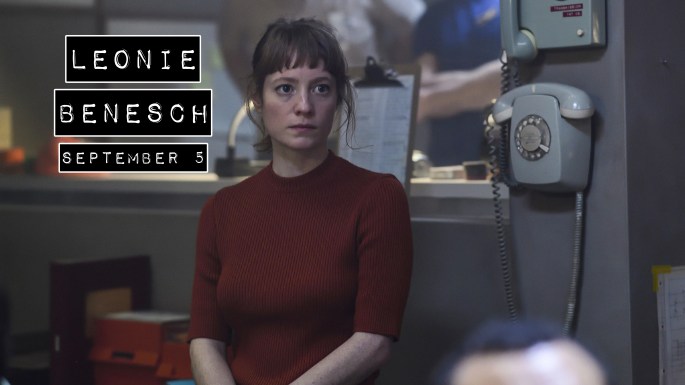
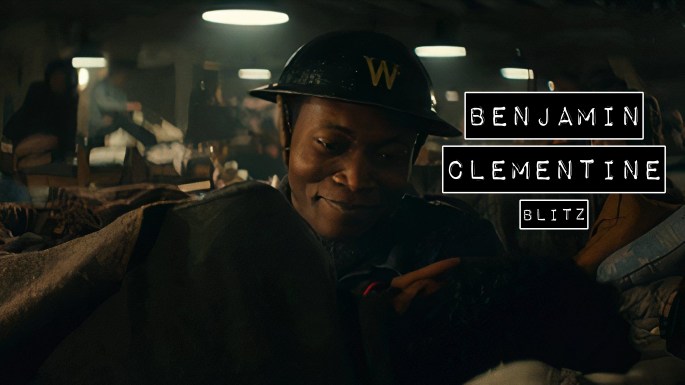

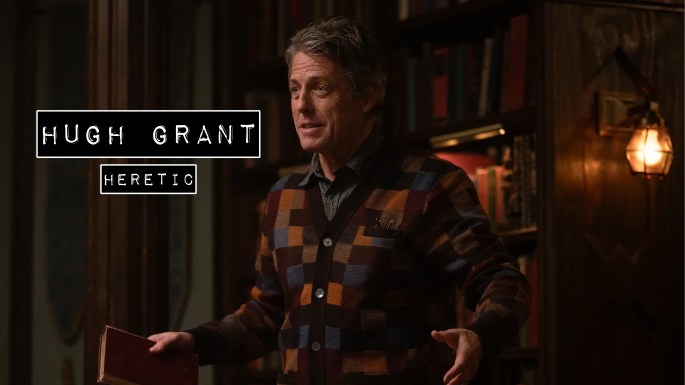

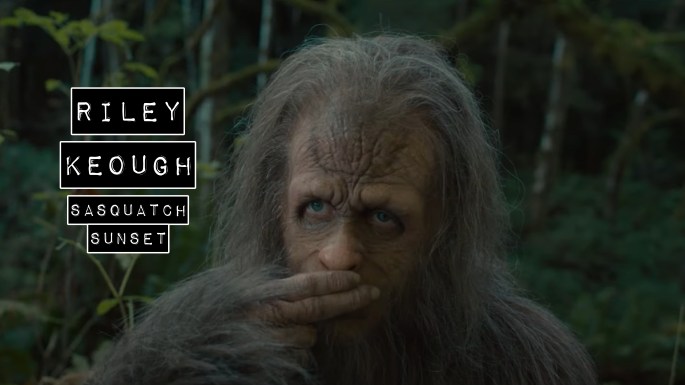



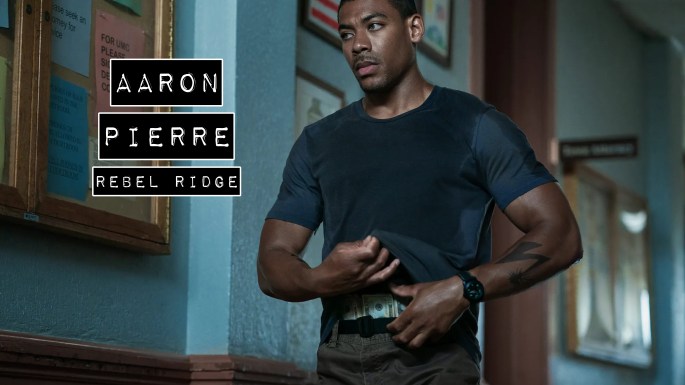



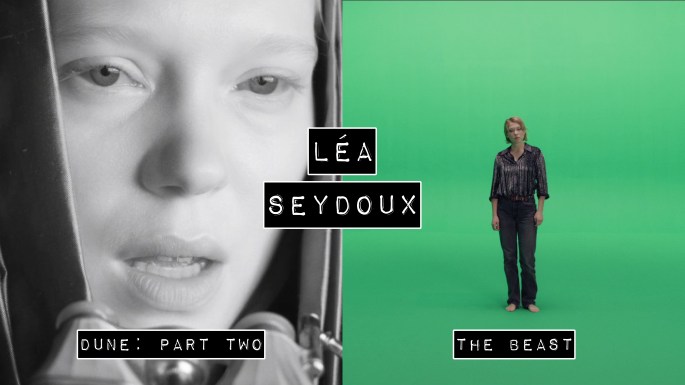
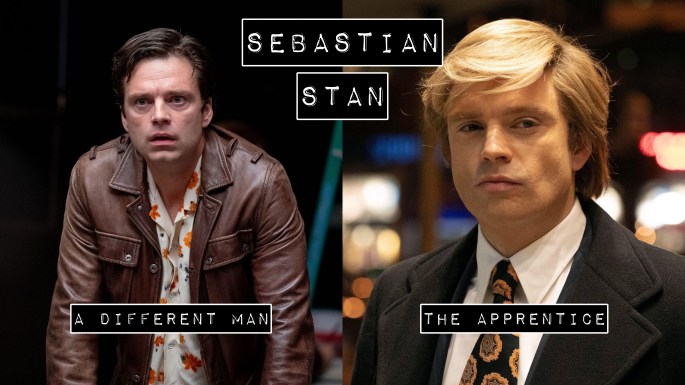
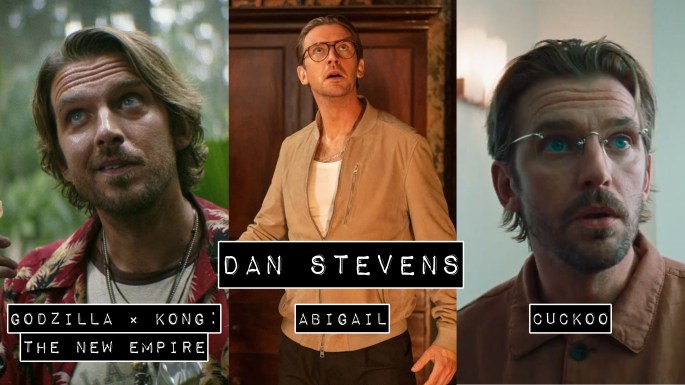


And a special non-human mention:

TOP 10:
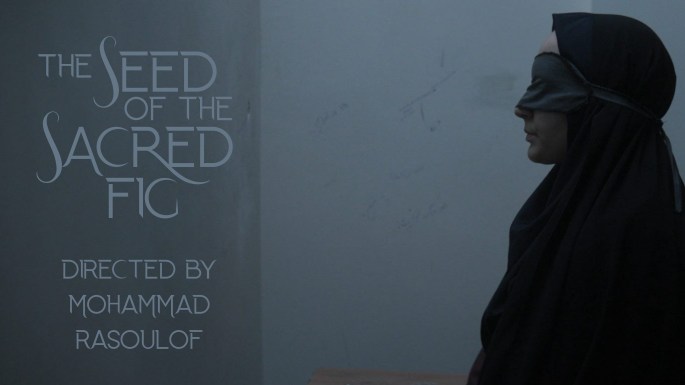
There is a school of criticism that believes a work should only be judged for what it is, regardless of the context of its creation or reception. But being from the long lineage of Iranian directors who fluently code-switch between narrative fiction, neorealism, and documentary, Rasoulof has created something which immediately demands inspection, interrogation, and conversation about what’s on screen. This sense of urgency is strengthened if you respect the secrecy with which this film was made and go in as blind as its characters, who are veiled behind drawn curtains, high fences, and state firewall. The images that eventually evade these obstacles though provide a fresh rush of blood to the concept of “archival”, updating it from sepia-tinged carbon paper to vertical videos available to second-screen right now. There is a world wherein Rasoulof’s real-life display of stars Misagh Zare and Soheila Golestani’s head shots at Cannes could easily stand in as the final coda for this haunted house thriller.

Rehab, redemption, rebirth. These transformative acts in their etymology alone tease anything but a simple A to B, but a cycle of back-and-forth, ebb and flow. It’s this very film’s non-linear structure which help nail the arc of this memoir without lingering in its valleys too long at any given moment and hone in on the range Saoirse Ronan is working with here. A spectrum of blonde, blue, and phoenix orange hair says a lot with a little, as does the simple contrast between the frigid Orkney as the end of the world and its beating heart condensing in the black hole of hot, sweaty London night clubs. Even Ronan’s narration, shuffling from poetic, natural reveries to pummeling electronic head bobs add an extra element of mysticism what would otherwise just be a Tumblr quote post. Its effect is surprising, like listening to the personal rationale behind a stick-and-poke tattoo which actually has you lean in to hear how—and where—the story ends.

At first, a porous border appears to be the calm eye of the European migrant storm, but as Holland forces us to hopscotch back and forth between Poland and Belarus multiple times, we discover the situation is more a two-sided crosscut saw of misery. Only by viewing this muddy limbo through the eyes of multiple POV characters are we able to witness any moral epiphanies, political action, or serendipity which promise any modicum of escape. In this film’s grey area and in real life, there exists a final, cruel irony: the only way to truly make Poland’s border green is by adding blue and yellow.

While we’ve seen some semblance of Sebastian Stan leap from moving cars and punch through concrete walls, it’s his performance here which fully displays his physicality as an actor. The moment he rips into his face in a transformative act could inspire jealously from either one of the Cronenbergs, but it’s his body language in quieter scenes which showcase a biting, black comedic wit. He’s awkward, confused, giving a maladroit attempt at constructing a new identity for himself.
The mental gymnastics up their level of difficulty once Stan’s world widens, incorporating other players, stories-within-stories, and an artistic choice which calls to mind Luis Buñuel’s That Obscure Object of Desire. By the end, it’s difficult to tell what’s real, what’s magic, what’s been patched up by the building super. Consistently surprising, occasionally hilarious, this twisted nesting doll almost reaches the high anxiety heights of Charlie Kaufman’s best work.

A clear, four-star movie inching itself towards a higher ranking because of the sheer brilliance of chemistry between leads Glen Powell and Adria Arjona. Even in Linklater’s auteur hands, this is a work ultimately defined by its movie stars, who confidently steer us through its fairly frequent—if silly—genre and plot pivots with the same ease as their role and wardrobe changes. A great supporting cast, an embrace (and not wallpapering over) of its budget-conscious NOLA setting, and vibrant color grading make this a straight down the middle popcorn crowd-pleaser that never got the communal, theatrical popcorn experience it deserved.
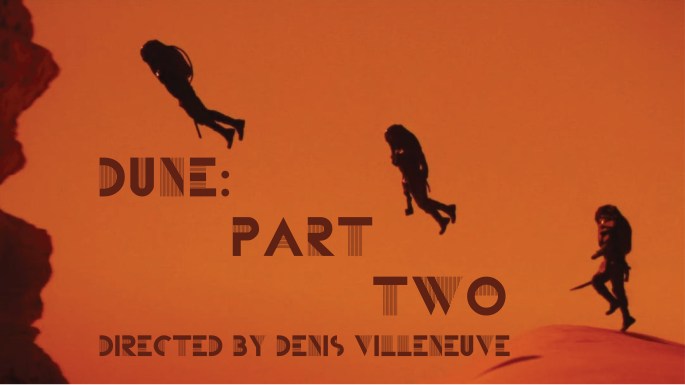
One of the best special effects in science-fiction remains a weightless embrace in Andrei Tarkovsky’s Solaris. It’s unexpected, simply executed, but most significantly, not loud. No dialogue or character reactions draw attention to it—the visual speaks for itself. It’s this same approach—to strip everything else away and enjoy the hold for dramatic effect—which allows Villeneuve to make the impossible look easy but also necessary.
It’s Harkonnen troopers scaling a cliff face with the relative ease of a toddler climbing into bed. It’s collapsing a sand dune mid-spine because a—mostly unseen—desert beast is plowing through it like a freight train (if you’re briefing a filmmaking team, how do you even create a visual representation of that with your hands?). It’s a black sun casting infrared rays, creating matte black picadors in a gladiatorial duel—one which would give even the color-blocking king of balletic fight scenes, Zhang Yimou, pause.
All that deserves mentioning because as in Dune: Part One, craft is the real hero here. Like sitting court-side at the Celebrity All-Star Game, this ensemble is happy to watch Villeneuve cook, knowing they’ll occasionally get tagged in to lick a blade or record a royal podcast. Special recognition though must be given to Léa Seydoux, coming in from off the bench to throw up five three-pointers in four minutes of pocket erotic thriller playtime. There’s just something so hilarious about Villeneuve’s most violent, sexual, and drug-addled work skirting the edges of the PG-13 MPA rating with the dexterity of a Spice Guild navigator.

Knowing this soapy love triangle (Love-All?) of actors and unabashed campiness would inspire a flurry of ardent reactions online, Guadagnino opted to pre-empt the fan-cam edits, quick-cutting every pedestrian walk-up and glare on the big screen with bratty techno bravado. After ratcheting up the tension, and edging onscreen sex, Guadagnino fucks the shit out of every tennis sequence. Ball cam. Subterranean court cam. Every. bead. of. sweat. cam. It’s this enfant terrible attitude which elevates an otherwise extremely silly genre movie from Hallmark to Loewe runway strut. Trent Reznor and Atticus Ross performing at the Oscars with the Gay Men’s Chorus of Los Angeles LFG.

If you’re able to look past a creative redrawing of our country’s map (possible if you don’t assume red and blue hues must be calcified forever as they currently are) and can stomach a fascist regime which is party-anonymous, then there’s lots to enjoy in this Hearts of Darkness travelogue with a bunch of professional rubberneckers (in this climate, journalists only ogle, right?).
Teenagers really into black and white photography, dead suburban malls, Sonoya Mizuno in a Garland flick, and Christmas decorations left up well into spring provide the recognizable way markers to allow the unfamiliar to become more familiar. It’s time for a rewrite of the Classic Rock canon for a new generation—“Fortunate Son” just doesn’t sound the same in an SUV criss-crossing interstate arteries. Let’s try Suicide, Silver Apples, Sturgill Simpson, and De La Soul as the needle drops to war crimes. Are any of these right? I don’t know, what is the correct age someone need be to run a NGO refugee camp?
To gaze out the window at each of Garland’s decisions here is to witness a world actively breaking down without ever receiving all the answers as we speed on by. Almost as if inspired by the last time our world broke down during COVID, urban biking booms, xenophobia is justified to keep the front lawns green in suburban towns, and regular folk discover purpose in new hobbies. Through the literal lens of rose-tinted glasses, a simple DIY backyard landscaping project can become your manifest destiny. War, like lockdown, can bring out the best in people.

“Why architecture?” It’s a rhetorical question for Corbett, as any film about art inevitably draws comparisons to filmmaking being its own long-term, tortured, gargantuan construction. But when asked of Adrien Brody’s László Tóth, his answer is much more practical and self-preservationist: creating useful things makes you useful. Makes you indispensable. Like brutalism could be a concrete bulletproof vest to protect him from prejudice and persecution.
His time confined to a concentration camp proves otherwise, but even as the rest of WWII raged and cities flattened, his buildings were the ones which survived. When the bombs fell, they avoided his buildings. Guy Pearce’s Harrison Lee Van Buren perks up when he hears this. He understands the context, but takes away a completely different lesson: we can utilize those buildings—rent, sell, commercialize!–even when we’ve removed the man. Separate the art from the artist, showcase what is desirable and explain away any foreign elements in its creation.
Those who collect and codify the goods, hiding the names and attributions behind library cabinets, are the ones who have museums named after them. That’s the secret to legacy. And that’s what all great men, especially those who can’t create, truly want.
It’s a bitter reminder that money always wins, that is until we dig up Tóth’s ticking time capsule, an artist statement explaining the importance of having ceilings 50 meters high. It’s a multimillion-dollar practical joke, a middle finger that shines twice a day to the Transatlantic accent class. No, you didn’t just get knocked out, the credits are actually crawling diagonally.

Involving elements of the world’s oldest profession, this film could be set at any time, any place. But Baker’s steadfast commitment to a real world filled with real people shows us that there’s a special magic in the contemporary which a period piece could never capture.
Take smart phones, which putting the entirety of human knowledge in characters’ hands, can too often be abused as a storytelling crutch. But Baker both loves them (heck, he shot Tangerine on one) and knows when not to use them: when Ani is to learn who Ivan’s father is, she’s told to Google him; when Toros can’t even muster up a head shot of his lost puppy, he relents, “I don’t have Instagram, I’m an adult!”
While phones are a convenient way to avoid conflict, face-to-face transactions are harder to worm your way out of. Who can say no to someone keeping you company on the way to the ATM or a judge’s gavel-banged courtroom instructions? Handshake agreements can just as easily fester into tarmac demands to grow up and be a man. Both are indelible images which don’t involve screens, just Mikey Madison making eye contact.
In between the tequila shots and shouting matches, it’s the moments when she’s looking elsewhere, away from the always-on gaze thrust upon her, when we can see she’s thinking. Considering her options. Plotting her next step. It’s a subtle, but effective telegraphing of that bruised American capitalist optimism. Maybe next time it’ll be better.
EVERYTHING I SAW IN 2024:
Argyle / The Taste of Things / Madame Web / Perfect Days / Drive-Away Dolls / Bob Marley: One Love / Problemista / Love Lies Bleeding / Road House / Dune: Part Two / Immaculate / Godzilla × Kong: The New Empire / La Chimera / Monkey Man / The Beast / Civil War / Sasquatch Sunset / Abigail / The Ministry of Ungentlemanly Warfare / The First Omen / Challengers / The Fall Guy / I Saw the TV Glow / Evil Does Not Exist / Kingdom of the Planet of the Apes / The Idea of You / The Beekeeper / Furiosa: A Mad Max Saga / Hit Man / Babes / The Strangers: Chapter 1 / Unfrosted / In a Violent Nature / Bad Boys: Ride or Die / Inside Out 2 / Robot Dreams / The Bikeriders / Janet Planet / A Quiet Place: Day One / Kinds of Kindness / Thelma / MaXXXine / Despicable Me 4 / Fly Me to the Moon / Longlegs / Daddio / Twisters / Am I OK? / Sing Sing / Deadpool & Wolverine / Fancy Dance / Dìdi (弟弟) / Trap / Kneecap / The Instigators / Cuckoo / Jackpot! / Alien: Romulus / The Killer / Blink Twice / Horizon: An American Saga – Chapter 1 / Strange Darling / The Last Stop in Yuma County / Snack Shack / Beetlejuice Beetlejuice / Rebel Ridge / Speak No Evil / Land of Bad / The Promised Land / The Outrun / The Substance / Emilia Pérez / In the Land of Saints and Sinners / Baltimore / Megalopolis / A Different Man / Wolfs / Saturday Night / Rumours / September 5 / Rap World / The Apprentice / The Wild Robot / Anora / Late Night with the Devil / The Order / Nickel Boys / A Real Pain / La Cocina / We Live in Time / It’s What’s Inside / Smile 2 / Juror #2 / Conclave / Woman of the Hour / Blitz / The Piano Lesson / Heretic / Flow / Wicked / My Old Ass / Queer / Maria / Gladiator II / Transformers One / Seed of the Sacred Fig / The End / Hundreds of Beavers / Babygirl / Red Rooms / Nosferatu / Carry-On / Green Border / Handling the Undead / Rebel Moon — Part Two: The Scargiver / Kraven the Hunter / The Last Showgirl / Touch / The Brutalist / Moana 2 / The Six Triple Eight / Sleep / Between the Temples / Wicked Little Letters / A Complete Unknown / The Room Next Door / Sonic the Hedgehog 3 / Nightbitch / Look Back

 justshortcuts.com