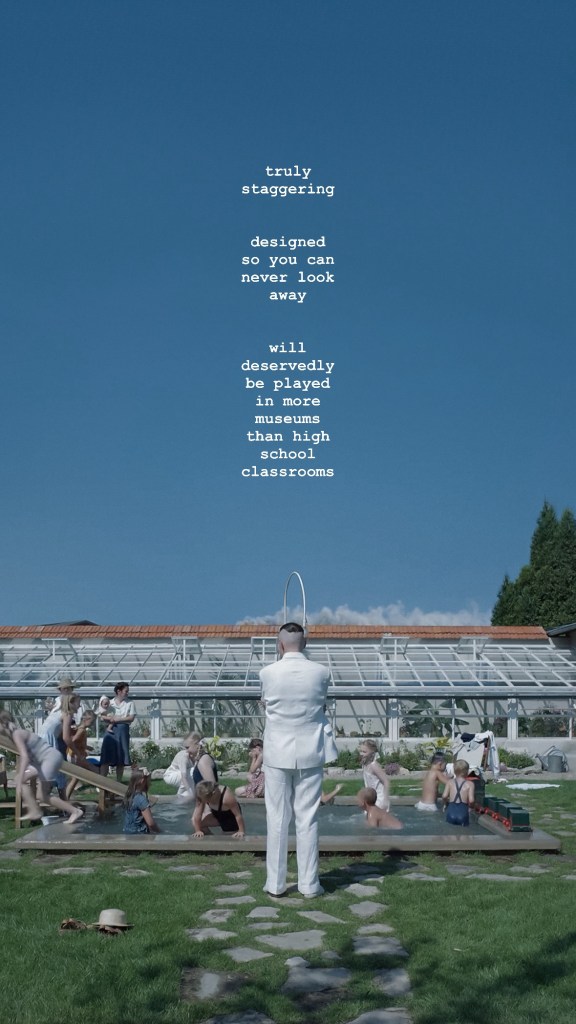
THE GIST:

Welcome to my year-end filmography rundown.

This list is an ongoing tribute to my friend who instituted this format. All opinions within are no one’s but my own.

For what qualifies as a 2025 release, I continue to hold: if I, as a member of the public, could reasonably buy a theater ticket in Los Angeles to see it, or if it was widely published to an online platform in the United States, it counts.

I saw a lot I loved. I had a lot of trouble whittling down this list. And there’s still so much out there for me to see. The following consider 131 releases from 2025.

Enjoy!

THE UNHERALDED:

The films that never found their audience, could just use some more exposure, or deserve another look.

The vastness of disconnection told entirely in cramped interiors, off-screen negative space providing the only escape. A deeply felt character study and mediation on the impossibility of the American Dream from the vantage of Lower Manhattan, comfortably in conversation with 2025’s fellow Preparation for the Next Life, Lucky Lu, and Sean Baker’s early output.

In high school, my soccer team and I would daily walk a mile from campus to the only playable field near us, carrying all our school bags and gear with us. An Adidas track bag strap cut into my shoulder as my iPod played through an album sequentially. Autumn air, crispy, with that occasional gust that brought a cold bite. Once there, my mind goes to the taste of blood I got from running sprints and chasing it with light blue Gatorade. It always got dark uncomfortably early.

Some of those guys on the team were my best friends. Some were assholes. A few would tell the lamest jokes during stretches. We killed ourselves at practice and played some great games there, in the middle of nowhere really—at the edge of a residential neighborhood, flanked by quiet Social Security office and decommissioned train tracks. Since then, I heard they tore that field down and put up patio homes. I’ll never get to touch that grass again. What’s the word for that feeling?

A leap forward in the documentary format and an elevated use of machinima. What really shines is the realization that in a world where anything is possible, making anything real is difficult. For fans of logistics, planning, and production details, an extremely commendable staging of the Bard amidst unpredictable ballistic barrages.

I always love a film without a plot but with an agenda. Come ruminate in a familiar-looking place from an unfamiliar perspective. This is a focus afforded to everyday people’s quieter moments after the noisy national headlines have blown away elsewhere. There’s merit in this—just look who hoofed it out to the sticks to hang out and see Josh O’Connor play cowboy: Meghann Fahy! Amy Madigan! Kali Reis!

Twenty years ago, Cattet & Forzani would comfortably sit in the upper echelons of music video director royalty, their eye for pure, cool, unforgettable shots unrivaled. In today’s world though, they’re left to wander the wilderness of indie label cinema, grinding out grindhouse homages grindier than anything Tarantino or Rodriguez could even tease with a fake trailer. This time, their substance is only informed by an averaging of trashy 60s eurospy plot summaries, allowing the genre’s style to lead—a loving roundup of techniques we we’ve lost, and ones we’ve been better off leaving buried.

FAVORITE MOVIEGOING EXPERIENCE OF 2025:

The movie made better with an audience or which somehow scratches the itch only promised by the Nicole Kidman AMC ad.
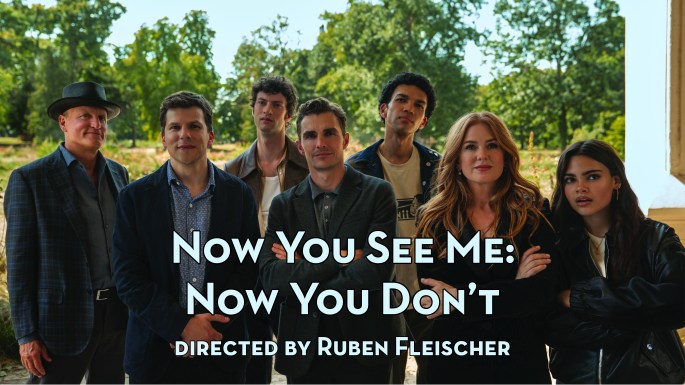
“War. Pandemics. AI. What the world needs now more than ever is magic.” Right out the gate, a hyperbolic thesis was presented to full laughs from a packed theater. Though never interrogated, further unpacked, or returned to, the Four Horsemen—ranks now bulging in sequelboot bloat—did convince me of this whenever onscreen audiences roared like a rock concert over illusions, misdirections, and plot hole wizardry. The energy was contagious, and our theater joined in.

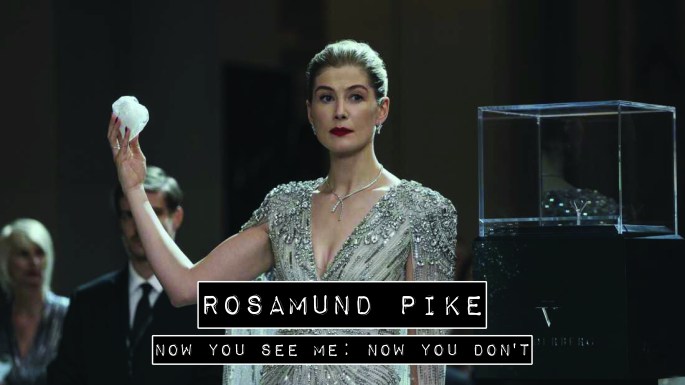
So, yes. We do need this. Make a hundred more of these. The Now You See Me-verse is my mix-and-match cast heist franchise that still has the juice. This fills seats, busts blocks, and should only ever be experienced in the hallowed ranks of a mall cinema—where talking is encouraged, a thin veneer of popcorn always coats the floor, and gobsmacked audiences of all ages can react in their own unique ways to Rosamund Pike in an Afrikaans accent telling a man to open his mouth, stick out his tongue, and suck on a golf ball-sized diamond. Flawless.

I WAS THERE WHEN IT HAPPENED:

It’s not about the destination, it’s the ride.

I loved the ability to experience a relatively recent BookTok phenomenon, safe from Colleen Hoover dialogue, but still definitely in the company of a wined-up crowd. I heard book readers hated that they stuffed this full of Shakespeare fan-service quotes. That didn’t rankle me. If this is Zhao’s post-Marvel redemption at-bat, those quotes helped deliver a capital-h Hollywood version of this story (the Bard is hot!). She still got to flex her Krzysztof Kieślowski eye, allowing the camera to just sit on the sky or a messy table, giving nature and the everyday deeper spiritual meaning. She got to build her world within this world.

She lulled us in, and then, as I was ready to give myself over to some much-earned tears at the film’s climax, she produced a crib note: the Max Richter needle-drop cheat code, “The Nature of Daylight”. I clammed up. This beautiful story, which had delicately convinced us of art’s ability to reach across time, now shared a bizarre lineage with Stranger Than Fiction. Chloé! We were all rooting for you!

HOT MESS OF THE YEAR:

A product not of inexperience, but negligence. They push the definitional limits of “watchable” and will probably never again be seen by anyone with autotomy over the remote or a modicum of self-respect.
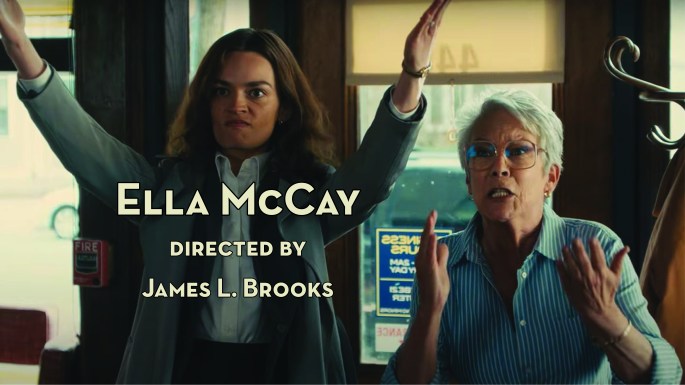
Utterly baffling, its highlights are the unforced errors you’ll point out to your friends from the safety of your couch: an unnecessary recent period-piece setting; a compressed, ticking-clock structure; and a pollyanna attention to the most unimportant, uninteresting B and C plots. People bemoan when male creators can’t write female characters, but this might be the first time I’ve seen one struggle to write male characters. I learned to love Ella, the character, but her fifteen minutes of fame deserved better.

Shults returns to fill life’s most inane moments with claustrophobic anxiety and heartfelt sincerity. Barry Keoghan goes full dirtbag. Jenna Ortega absolutely cooks, playing unhinged with an unpredictable, captivating mania. (Think the two of them ever talked about Sabrina Carpenter on set?) But for most, ostensibly this film’s biggest feature is also its biggest weakness: The Weeknd.

The tissue-thin cautionary pop-star metaphor he portrayed in The Idol doesn’t even begin to come close the asinine heights of self-aggrandizing he scrapes here, literally playing himself, The Weeknd. Watching two people come undone and the different ways they cope—one by pills and booze, the other by obsessing over the meanings behind song lyrics—could make anyone watching on the sidelines uncomfortable, but for an audience to have to sit through The Weeknd having his music fan-splained to him only before exorcising his demons by literally singing his way free?! The moxie.

There were fans of the singer in my screening for this, and even they couldn’t go along for the ride. The phantasmagoric high we experienced wasn’t provided from the film’s bizarre dream sequence, but by the crowd, piece by piece, turning on this film in real time. We came, we saw, we laughed together. It was a true transformative communal experience, one usually reserved for an actual concert.

HONORABLE MENTIONS:

Because making a ranked list is hard, these shortlist candidates are ordered alphabetically.

Adults are direct, know what they like, suffer bad knees, and have shit to do. All which explains why this 90-minute espionage potboiler squeezes the utmost fun and satisfaction out what is just a lavishly arranged collection of characters undercutting each other’s dialogue across various rooms and hallways. Make “black bag” the new “I love you.”
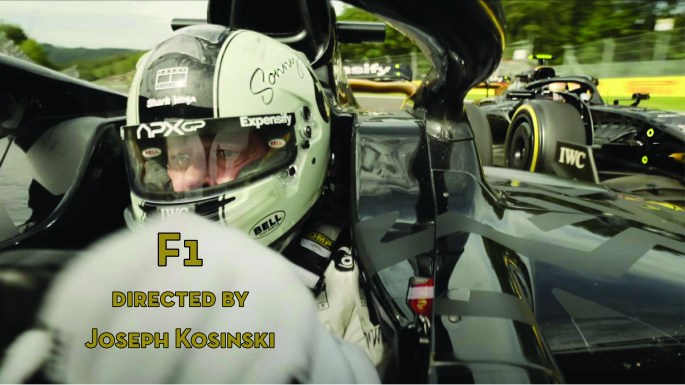
A modern western with a cast full of thousand-yard stares and clear, crowd-pleasing action. It’s a familiar tale: shiny money threatens to upend a close-knit, last-place town unless a newly deputized sheriff can restore order.

Our old-ways cowboy walks into town on an asphalt horizon, throws playing cards instead of chomping a cigar, and introduces the people to his honorific code of “Plan C”. White hats, black hats (who swig whiskey when they lie), and the requisite Irish immigrant (who tries to keep her head out of the line of fire) exchange nods before high-noon duels commence at lights-out starting lines and DSR stretches. A pure, nonsensical blast, a shaggy dog sports movie for people who don’t know shit about the sport. Yeehaw!

B serving C.

The Safdie Cinema of Anxiety jumps back in time with a post-modern bent, anachronistic needle drops and electric drum beats attempting to pummel its audience into accepting everything its antihero Marty is doing is prescient and totally future-facing.

The thrill of an impossible, surface-scraping, CGI tracking shot of a table tennis ball stands in for the epoch of the orange ball, its introduction providing early viewers with a helpful burst of contrast and changing how they would view the game forever. Casting Abel Ferrara and a drunken Knicks fan from a Sidetalk NYC video reminds us that New York City has always had the propensity for live-wire, chaotic characters who could pop off at the slightest affront. And though inspired by actual 1950s Harlem slang, Tyler, the Creator’s improv neologism of “sun dodger” is so much more lyrical and exciting than literal linguistic fact in describing everyone’s favorite White Boy of the Year. This is misremembered, manufactured history, and that’s what makes it better felt for us.

Made for me. Hefty thematic bookends, Marin Ireland in a non-lethal role, a John Magaro cameo, and Cat Power needle drops. Daniel Pemberton’s score throws a heater as Dakota Johnson and Pedro Pascal recreate the diner scene from Heat, but Song is smart enough to later mirror the scene with Chris Evans’s rebuttal totally in silence. New York should be more talky and I think rom-coms should also piss people off.
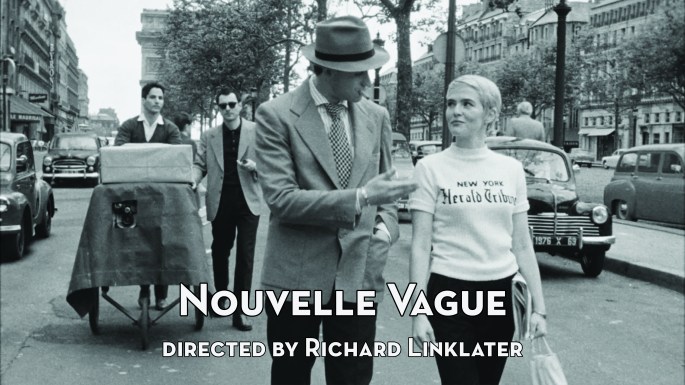
Fanboy service for those who yearn for smoke-filled cafes and fedoras, even if we contemporaneously snicker at the French salon’s mythologizing and philosophical navel-gazing. One of the best-looking period pieces I’ve seen in a long time, from its very much alive production design to its grainy, handheld look. In quieter moments and stolen glances, a touching tribute to the late Jean Seberg. Allez!

A comedic duo for the ages, a color scheme and tone ready for belated Netflix rediscovery and appreciation. In a just world, we’d get one of these every year, “A One of Them Days Joint” chasing each title. Selfishly, I think this deserves all the stars for introducing an iconic addition to the Drew/Dru/Dreux Cinematic Hall of Fame.

A throwback adventure film with a surprising amount of teeth for its PG-13 rating and enough character development to earn a chosen family moral of the story. While audiences are still finding their feet, the world-building unfurls with the unfettered free jazz energy of Scavengers Reign, turning expected CGI slop into creative displays of Chekhov’s gun.

Where Trachtenberg overall succeeds with this story and franchise is his constant upending of whatever loose foundations or expectations exist. The usual antagonist becomes the protagonist. A predator stripped of all its high-tech gear plays defense as prey. And the most human character is a synth. Some guys would rather create the seeds of a subversive franchise spin-off than go to therapy. The best superhero film of the year.

Live-action Looney Tunes (complimentary), a creatively staged chase film that uses its genre trappings in the most economical fashion. I was left in awe at least three times as each action set piece unfolded like an improvised MacGyver-assembled, Rube Goldberg contraption of death, slowly approaching another satisfying kill.

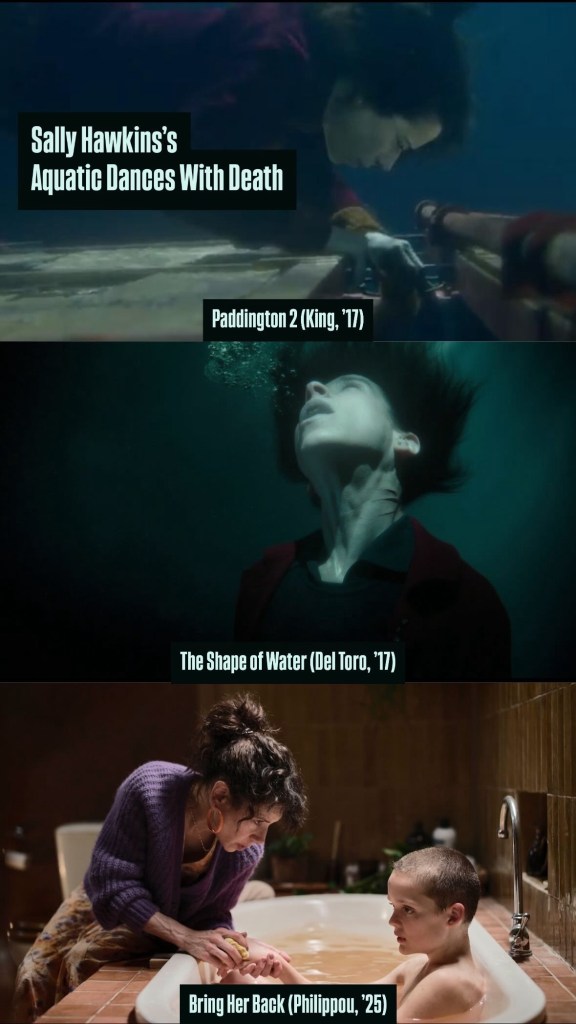
Yes, it’s Magnolia for the Pizzagate generation, but the San Fernando Valley could never host this type of dread-filled riot—this is the best use of the rain-soaked, labyrinthian Georgia suburbs since Prisoners. Now I understand why the kids are all running away!

Any horror film that has the ability to inspire a new TikTok challenge or timeless homemade Halloween costume will always have a place on this list. Meanwhile, I’ve firmly adopted Benedict Wong’s hot dog summoning gesture into my regular theater routine.

GREAT PERFORMANCES:

The actors who defined their films, made bad material great, and occasionally made you crawl the end credits just to see who that was, listed alphabetically.

And a special non-human mention:

TOP 10:

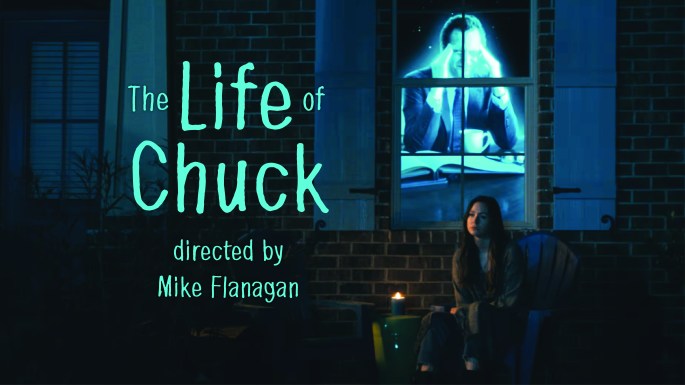
Even the best literary works suffer a terrible batting average at surviving the jump to the big screen. And of those, I rarely show any confidence in film adaptations based on a novella (its liminal form already seems to whisper: the author couldn’t edit down to a short story, nor commit to the rigor of full novel). In sifting through the uneaten crumbs of Stephen King though, Flanagan’s identified a whiplash collection of three acts that he’s formatted here into a wildly entertaining and varied triptych.

As a read, setting down the book in between would allow for a necessary breath of fresh air. But as a single film, unifying these stories with a continuous tone indicates an insanely high degree of difficulty. It’s a huge creative swing that demands recognition and respect, even if admiration may be harder to come by. At least count me in spirit amongst the crowds at TIFF, proudly adding my vote to its Audience Award win tally.

A meta moviemaking text in a finely crafted form. The flip side of The Clouds of Sils Maria, dancing with doubling but charging straight at all the strife with a familial row and hug. Norwegian is the new French.

The highest high-wire act to earn real laughs out of its subject matter. It takes a real keen understanding of time’s relationship between tragedy and comedy to make this not a disaster. Comfortably elongated across the span of a few years, there’s more than enough room for everything to breathe: the laughs, the tears, John Carroll Lynch’s culinary prowess.

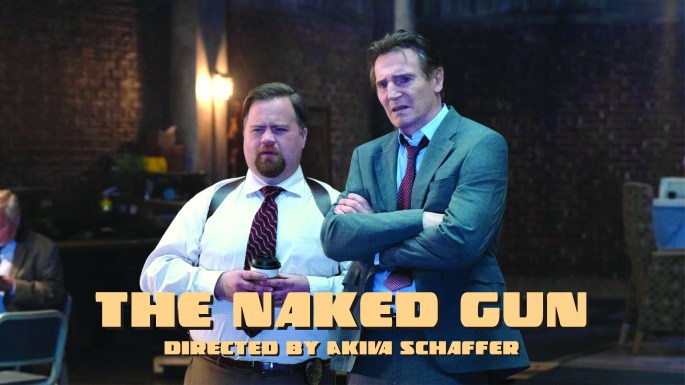
Chip ‘n Dale: Rescue Rangers teased Schaffer’s leveling up from simple parody to loving tribute, but his successful revival of the gold-standard Zucker, Abrahams, and Zucker spoof franchise proves his major-league bonafides. This hums like it should: a joke-a-minute rate of fire, a dozen small jabs successfully buttering you up to be KO’d by the most unexpected one-liner. Made me cry twice.

There’s something so satisfying about dropping cloak & dagger genre tropes into a janitorial, lawful-neutral, workaday conceit of Michael Clayton for the gig economy age. This is B-level pulp punching above its class, and what Mackenzie did for dying small town banks in Hell or High Water, he exceeds for platforming and glorifying public infrastructure. The world is amoral, but there’s some solace when mostly invisible and anonymous institutions function like they should.

A black-licorice comedy that plays with western archetypes to shoot culture-war bullet points from belt-holstered phones, pressing all of 2020’s hot buttons like a sugared-up kid gleefully entering an elevator servicing fifty floors. As overstuffed as a nonstop social-media doom scroll, every character here exhibits relatable (because we were there at the time, we have to recognize) moments of ignorance, paranoia, virtue signaling, apathy, and paralysis. The constant cringe and self-reflection is the point.

Ultimately billed as divisive—politically and critically—you enter the viewing experience anticipating which side of the looking glass you’ll find yourself on. Coming out, you’re left with an odd taste in your mouth. Is this a good movie? Is this a bad movie? Maybe we don’t need to be so black and white with your review. “Don’t think about it. Just post it.”

Elevated slapstick that keeps adding plates to spin; domestic screwball that ties and unties its knots with the awkwardness of a Vanilla Sky reference. Warmly shot as to elide its central characters’ stupidity, this looks and sounds like Éric Rohmer yet feels like Step Brothers. And like a true Adam McCay fantasy, here the most anonymous, average-looking guys cast Dakota Johnson and Adria Arjona as their love interests. Hilarious.

Finally, an incredibly convincing argument for becoming a vampire: unfettered access to a timeless hive mind, a diverse, polyglot unit more inclusive than contemporary society. While I’d be content to just live longer in the film’s part-hangout, part-party focus, its bravura monster sideshow offers enough of a fresh twist to the horror sub-genre by tapping into a cross-cultural, ancestral wavelength. Sexy, rocking, fun.

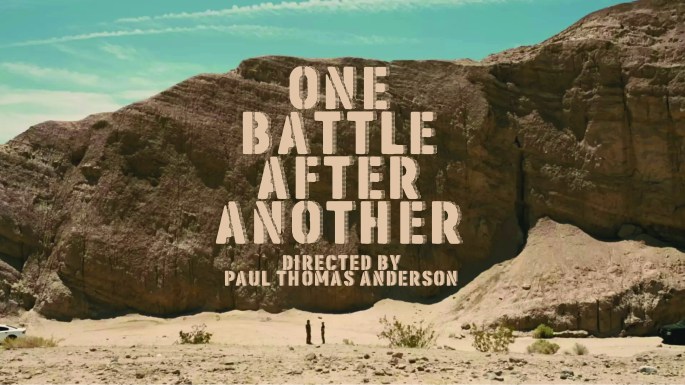
The creaky hinge in this piece that rankles most is the short shrift given to Teyana Taylor’s Perfidia Beverly Hills. Allotted more than just brief backstory prologue, a hefty third of the film is devoted to her life with Leonardo DiCaprio’s “Pat”, to point where we become more interested in her beyond simply as a supporting character.

Oh, how we all would have all loved to see the continuing globetrotting adventures of Ms. Beverly Hills, blowing up pipelines and robbing arms shipments, but her abrupt removal from the rest of this film is the point. Without her drive, we bear witness to the losercore detritus of now-“Bob”, who in sixteen years of raising their daughter, has gained only a new name, but lost almost all his discipline.

This is a former revolutionary recognizing their revolution became moot, a protagonist slowly realizing that they’re not the main character they thought they were. When his past returns, what really transpires is a “meanwhile, back at the ranch” contrast between high-tension ingenuity and a slacking game of catch-up.

While Leo lights up on the couch to watch The Battle of Algiers for the umpteenth time, his daughter has already independently modernized the subterfuge of hidden flip phones and contact aliases—not as a burgeoning radical, but as a self-made, rebellious teenager. Like contrasting notes on a pair of trust devices coming together to make a melody, as one generation of performer firmly enters his grey-haired era, a new generation of star is born.

While numerous filmmakers this year captured imaginations for seemingly pushing the medium forward, under greater scrutiny, these celebrations were usually distilled down to specific physical acts.

We applauded the muscular athleticism of acrobatic, single-take IMAX shots, the dusting off of dormant capture and projection formats, and the technological advancements in high frame rate, stereoscopic 3D performance capture (even as audiences may still be out on its appeal). Sprinkle in some extracurricular filmmaker explainer videos, and even armchair cinema fans became more familiar with the capabilities of their local theater offerings or could cursorily grasp what a “perf” was.

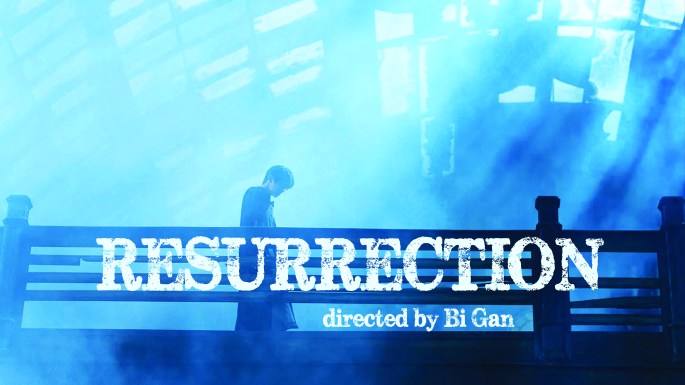
Meanwhile, leaving the bombast promotion and necessity of a blockbuster haul behind, Bi’s contribution to moving the medium forward can afford to be riskier, happily scraping by with all the accolades even with limited public screenings. Though already comfortably holding a box office record for an arthouse release in China, I still believe Bi is yet again iterating on a multi-year plan to fleece Chinese investors out of their money to fund the most high-concept, inscrutable films possible.

Though just as impenetrable and adverse to hand-holding as his previous outings, this time around, Bi is willing to play nice. A series of opening cards ground us in an imaginative sci-fi context, even if they might only exist as a tried-and-true filter to elide censors and cheekily couch criticism of contemporary society. At the very least, it’s an indicator Bi it looking to expand his scope and up the ante on his familiar bag of tricks.

While there is yet another jaw-dropping single take here (whose length could qualify it as its own hourlong drama), it’s telling that it’s not even this film’s most hyperbolic selling proposition. More notable in my mind is an old-school playfulness in both speeding up and slowing down what is captured, coyly rolling out silent-era intertitles, employing M83 across a genre-hopping score, and obsessing over all of our senses. It’s a kitchen-sink, no holds barred approach to titillating his audience that offers something for everyone to hold onto—the closest Bi is likely to get to a crowd-pleaser.

More simply put, this is an incredible, episodic magic show which had me asking, “How did he do that?” every 20 minutes. A grand fable about movie myth-making and shared dreams, this is the only film this year that presented filmmaking not as a stand-in for therapy, but as a dialogue between a creator and his audience.

If this is the last film Bi ever gets to make, it would reside in the first line of his obituary. Let’s just hope he comes back around again. Film is young. He’s shown it has much further to go.

EVERYTHING I SAW IN 2025:

The Shrouds / Universal Language / Grand Theft Hamlet / Den of Thieves 2: Pantera / Presence / One of Them Days / Dog Man / Companion / Bring Them Down / Captain America: Brave New World / The Gorge / Paddington in Peru / The Monkey / Last Breath / Mickey 17 / Wallace & Gromit: Vengeance Most Fowl / Black Bag / The Actor / The Electric State / Ash / Eephus / A Working Man / Warfare / Drop / The Wedding Banquet / Sinners / The Accountant² / Thunderbolts* / Björk: Cornucopia / Havoc / Friendship / Hurry Up Tomorrow / Another Simple Favor / Blue Sun Palace / Final Destination Bloodlines / Novocaine / Mission: Impossible – The Final Reckoning / Fountain of Youth / The Phoenician Scheme / Love Hurts / Mountainhead / Bring Her Back / Sister Midnight / Ballerina / Karate Kid: Legends / Materialists / 28 Years Later / Elio / The Life of Chuck / Predator: Killer of Killers / KPop Demon Hunters / F1 / Don’t Let’s Go to the Dogs Tonight / M3GAN 2.0 / Tornado / Sorry, Baby / Superman / Jurassic World Rebirth / The Amateur / The Ballad of Wallis Island / Eddington / Cloud / The Fantastic 4: First Steps / Happy Gilmore 2 / The Bad Guys 2 / Opus / Summer of 69 / The Naked Gun / The Old Guard 2 / Weapons / Highest 2 Lowest / Together / Eenie Meanie / Freaky Tales / Relay / Honey / Don’t! / Caught Stealing / Splitsville / blur: To The End / Preparation for the Next Life / The Roses / Twinless / The Long Walk / A Big Bold Beautiful Journey / Roofman / One Battle After Another / After the Hunt / A House of Dynamite / The Smashing Machine / TRON: Ares / The Mastermind / If I Had Legs I’d Kick You / Good Fortune / It Was Just an Accident / Springsteen: Deliver Me from Nowhere / The Hand That Rocks the Cradle / Nouvelle Vague / Bugonia / Frankenstein / Blue Moon / Sentimental Value / Die My Love / Predator: Badlands / Now You See Me: Now You Don’t / The Running Man / Hedda / Sisu: Road to Revenge / Rental Family / The Ballad of a Small Player / Wicked: For Good / Wake Up Dead Man / Hamnet / Left-Handed Girl / The Secret Agent / No Other Choice / Reflection in a Dead Diamond / Train Dreams / Resurrection / Anemone / Marty Supreme / Megadoc / Nobody 2 / Jay Kelly / The Assessment / Jane Austen Wrecked My Life / The Legend of Ochi / Avatar: Fire and Ash / The Testament of Ann Lee / Dust Bunny / Rebuilding / Sirāt

THE GIST:

Welcome to my year-end filmography rundown.

This list is an ongoing tribute to my friend who instituted this format, crappy DaFont stylization and all. The usual tardiness with publishing it before the year’s end is no one’s but my own.

Now firmly established in the film industry, I don’t need to wax as much about what it’s like to be inside the machine, but to keep things unbiased and above board, I’ve removed the film I worked on this year from consideration in the below categories.

For what qualifies as a 2024 release, I still hold: if as a member of the public, could reasonably buy a theater ticket in Los Angeles to see it, or if it was widely published to an online platform in the United States, it counts.

I saw a lot I loved. I had a lot of trouble whittling down this list. And there’s still so much out there for me to see. The following consider 129 releases from 2024.

Enjoy!

THE UNHERALDED:

The films that never found their audience, could just use some more exposure, or deserve another look.

Adlon modernizes the gross-out comedy but treats it like a Cassavetes film, pulling amazing performances out of bit roles. The guy last seen suspected a serial killer in Zodiac earns a laugh every time he’s on screen.

While the plot is frustratingly by the numbers, the story Stevenson wants to tell—and the way she does so with totally awesome images and blocking—promises more for her than for this reboot prequel’s teased sequel.

The best horror films use the genre as an affordable on-ramp for filmmakers to really show off their style. I was never scared, but constantly thrilled. For a slasher flick, there feels like there’s ideas buried within it, even if they never fully form. I can’t wait to see what Nash does next.

Josh O’Connor plays a dusty drifter rolling from town to town, digging up artifacts from another age and getting tossed around in the process. It seems all he really wants to do is just sit still and enjoy a cigarette, but with references to ex-flames and zany side quests abound, this slow-roller could be our generation’s mumblecore Indiana Jones. Give me three more of these.

We love women who have it all and still feed the urge to throw it all away for peculiar and destructive hobbies.

FAVORITE MOVIEGOING EXPERIENCE OF 2024:

Serving as a nice interlude between two heavy halves of chamber piece bickering, pop star concoction Vesta Sweetwater (what a name!) performs “My Pledge” for a crowd of New Rome’s elite. Live financial contributions pour in telethon-style as an almost entirely artificial person (I mean, she can literally just double herself onstage) lays out her noble pledge of virginity.

It’s too much to take seriously, yet stands as a more successful satire of America’s Puritan obsession and empiric bloat than even Gladiator II’s slightly queer Denzel Washington or a parade of deadly rhinos and sharks and baboons, oh my. As the final notes ring on Sweetwater’s performance, Coppola turduckens the moment with a display of an invisibility garment (“You can see right through me!”) and a tabloid smear campaign. In the midst of this chaos, I was air-high-fiving the six other people in the theater with me. What a time. Coppola gave generously!

I WAS THERE WHEN IT HAPPENED:

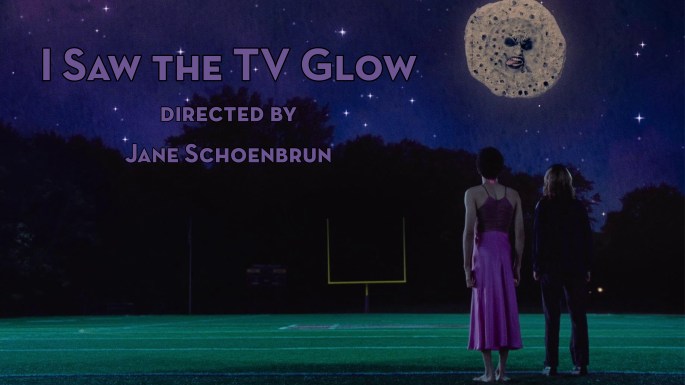
An aggressively earnest and tonally particular coming of age through the lens of pop culture’s stranglehold on young escapist minds. It’s a universal enough hook to be able to introduce urbanites to midwest malaise, cis kids to trans self-discovery, and successfully bridge the generations “latchkey” (the director) and “screentime” (most of the audience).

What will always be universal is recognizing what we lose as we age, realizing far too late that the most deeply felt moments in our lives will always be during a very brief span which at the time we couldn’t wait to be over. I look forward to remembering this movie ten years from now like a YouTube-fueled Velvet Underground: it didn’t sell a lot of tickets, but everyone who bought one went out and made a movie.

HOT MESS OF THE YEAR:

They push the definitional limits of “watchable” and will probably never again be seen by anyone with autotomy over the remote or a modicum of self-respect.

After an absolutely stunning performance of dragging things out and killing the clock, ‌Rebel Moon — Part Two: The Scargiver unfortunately locks up this title and nabs back-to-back wins for the franchise. I shudder to think they could complete a dynasty run if we see more in a planned series.

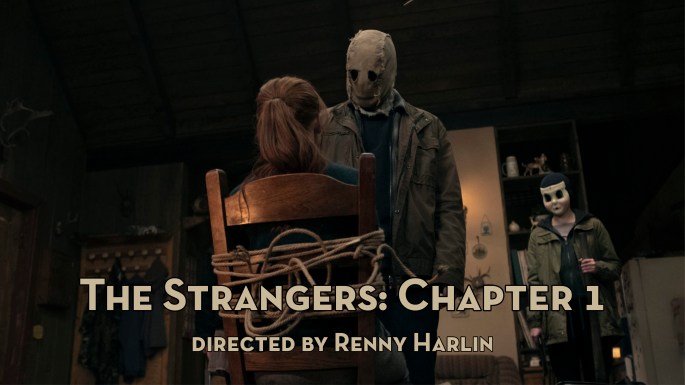
On a brighter note, there is a promising fresh face in the conversation of IP bloat. The Strangers: Chapter 1 so confidently titles itself with promise of more to come, even if its killers’ impossibly quiet soft-soled shoes push credulity. Time will tell if the Snyderverse can share space with Harlin’s redemption tour.

HONORABLE MENTIONS:

Because making a ranked list is hard, these shortlist candidates are ordered alphabetically.

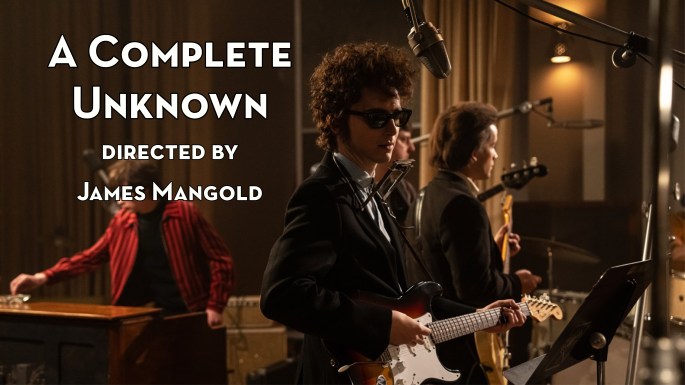
Mangold has such an old-fashioned approach to storytelling, one suited to draw you in if you caught one of his films halfway through on cable rerun. Clear, unsubtle, and avuncular, it’s linear with smoothed edges. Bump-in-the-road bad guys will glare, push pie around on a plate, and smoke from cigarette holders; televisions exist in every room only to be on and read the news; rhetorical questions serve as plot markers; and you don’t need to rewind 10 seconds to catch that again—every character is introduced three times (“I’m Al Cooper.” / “You’re Al Cooper?” / “He’s a guitarist.”).

All this and a non-stop parade of visual and audible footnotes (they’re not easter eggs if we’re covering real life) fill every frame, allowing us to speed-read the 60s through a very specific, if crowded lens. This is leather jacket Americana in bold type, not artsy but extremely functional, a Christmas Day gift for dad that’s not a WWII coffee table book about submarines.

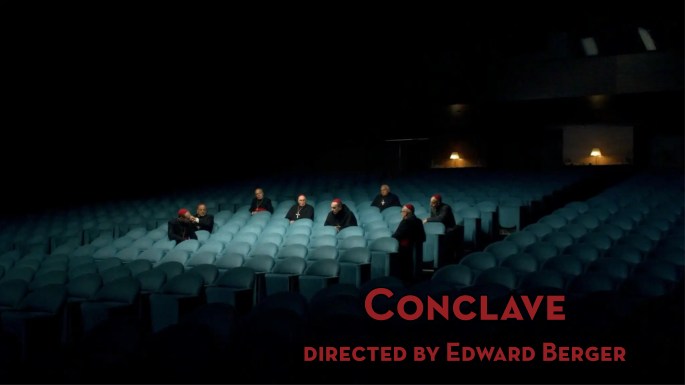
Though celibately flirting with Angels and Demons pulp mystery and the prestige-with-loafers aesthetic of The Young Pope, this is really just an overdue Mean Girls adaptation for audiences who can name their favorite catty Ecumenical Council (mine’s Vatican II). From a single-gender worldview, a popularity contest wages with burn book distribution, an iconic LGBT ally plays the smirking best friend, and the cafeteria table clique pecking order comes to represent all of society. Gossip sponge extraordinaire Isabella Rossellini would make a great high school lunch lady.

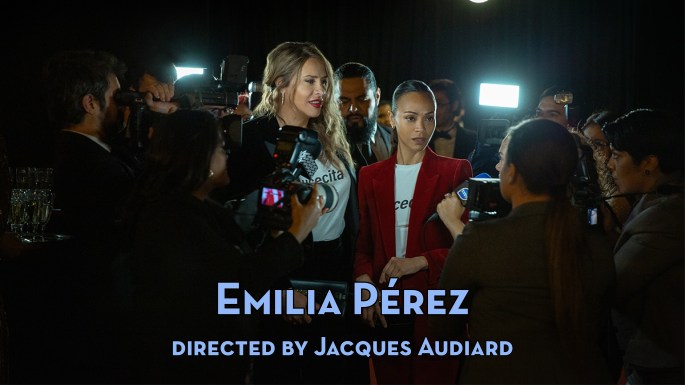
Bless the French. Audiard is giggling to himself, having successfully cracked the Netflix algorithm with the right thumb-stopping SEO combination of “Gritty, Intimate, Musical, LGBTQ+, Family Relationship, Based on a Book, Heartfelt, Social Issues, Drama, Movie.” I’ll take any quadrant-busting, international co-production genre gumbo which lets Zoe Saldaña sing and dance. As for Selena Gomez, let her enjoy her hour in the yard away from her geriatric TV bunkmates.

Regardless whether this was meant to be genuine or insurgently subversive, we at least still have proof that something different can still be made. Kudos to the marketing team for coming up with the tagline “You’ve never seen a movie like Emilia Pérez.” It’s provocative yet also hollow, like Cosmo Kramer shouting into a phone “Why don’t you just tell me the movie you have selected?”

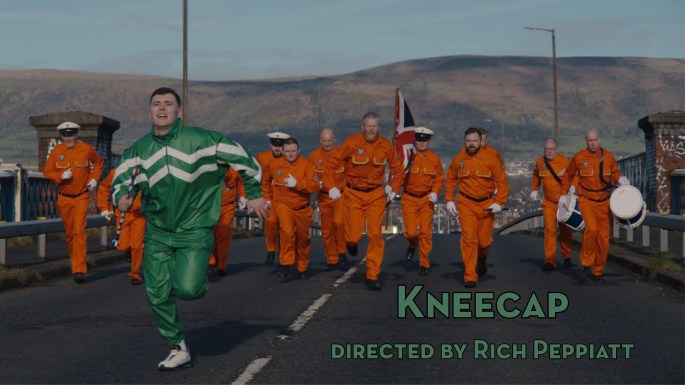
Messy, bratty, and potty-mouthed, this is a welcome punk approach to addressing the scars of British colonial rule in the North of Ireland. A film about the power of language and identity which is anything but dusty and dry, only the coolest of high school social studies could integrate clips of it into their curriculum.

A leap forward in what films can look like. It’s as if Ross broke Errol Morris’s Interrotron camera free from its roots, eschewing static talking heads to show us the rest of our lived-in world. The ability to glance up at the sun, feel the grass, and when characters are—and aren’t—keeping eye contact grounds us in a startling way, furthering the case that film can be the ultimate empathy machine. When we later discover that this first-person POV can also be used to subvert storytelling norms, we’ve traveled someplace completely new. We’ve seen space, we’ve seen the wonders of the deep, maybe we should project this onto a science museum’s towering IMAX screen.

“’Komorebi’ is the Japanese word for the shimmering of light and shadows that is created by leaves swaying in the wind. It only exists once, at that moment.”

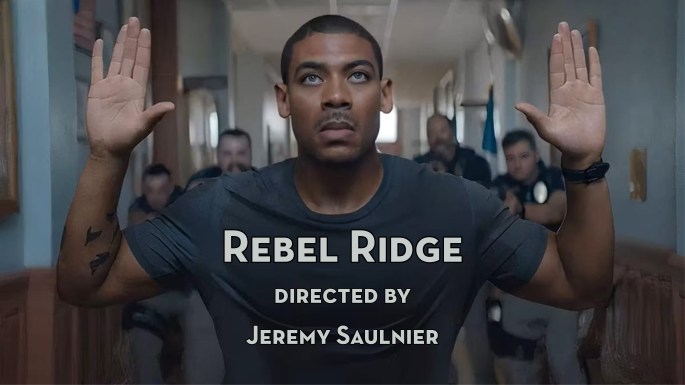
Saulnier excels at writing his characters into corners and then having them wriggle out in the most inventive and surprising ways. A sundown town potboiler with enough leeway to give every minor character their proper nods.

Possession gets the Disney princess treatment. That’s not a misogynist dig, but an endorsement of this cautionary tale’s very clear elevation of subtext to text. Characters say what they want, like what they see, and even in a world chained to a perpetual 80s aesthetic, the wretched—and eventually ignored—curse rules are delivered in an achingly modern way: cleanly delineated steps on a box of prescription drugs delivered right to your mailbox. Demi Moore peering into a snow globe featuring her younger visage would be the perfect teaser poster if this actually was one of Disney’s misguided attempts to reactivate an aging property as a sympathetic villain origin story. Fargeat doesn’t need this framing device to sell her story though.

Her source material is the bitter aftertaste that follows decades of anti-aging serum TV commercials. We know better than to take the Substance, but we want to buy into that world. Sure it’s satire, but it can also be cult couture. Check out my neon green Nalgene bottle, my sparkly pink leotard for Halloween (it’s ironic), and spotless monochrome bathroom, the perfect backdrop for a burgeoning GRWM channel. Come fly with me to Côte d’Azur. We’ll rent a muscle car and can pretend we’re in Los Angeles. What’s real anyways?

So much fun, so pure, so kindhearted and clear with its intentions. It’s a grand-scale genre pic shrunken and slowed down to June Squibb’s size and speed not because of a looming geriatric joke, but as a sly way to execute bombast at an indie scale. This is just movies at its best.

Shyamalan leans in and goes full Brian DePalma to bully his way through NPC-ass dialogue. A non-sensical roller-coaster which invites audiences to turn against it yet also cackle in unison. I love imagining Shyamalan asking his daughter Saleka (Lady Raven!) if the kids still use Instagram Live anymore.

GREAT PERFORMANCES:

The actors who defined their films, made bad material great, and occasionally made you crawl the end credits just to see who that was, listed alphabetically.

And a special non-human mention:

TOP 10:

There is a school of criticism that believes a work should only be judged for what it is, regardless of the context of its creation or reception. But being from the long lineage of Iranian directors who fluently code-switch between narrative fiction, neorealism, and documentary, Rasoulof has created something which immediately demands inspection, interrogation, and conversation about what’s on screen. This sense of urgency is strengthened if you respect the secrecy with which this film was made and go in as blind as its characters, who are veiled behind drawn curtains, high fences, and state firewall. The images that eventually evade these obstacles though provide a fresh rush of blood to the concept of “archival”, updating it from sepia-tinged carbon paper to vertical videos available to second-screen right now. There is a world wherein Rasoulof’s real-life display of stars Misagh Zare and Soheila Golestani’s head shots at Cannes could easily stand in as the final coda for this haunted house thriller.

Rehab, redemption, rebirth. These transformative acts in their etymology alone tease anything but a simple A to B, but a cycle of back-and-forth, ebb and flow. It’s this very film’s non-linear structure which help nail the arc of this memoir without lingering in its valleys too long at any given moment and hone in on the range Saoirse Ronan is working with here. A spectrum of blonde, blue, and phoenix orange hair says a lot with a little, as does the simple contrast between the frigid Orkney as the end of the world and its beating heart condensing in the black hole of hot, sweaty London night clubs. Even Ronan’s narration, shuffling from poetic, natural reveries to pummeling electronic head bobs add an extra element of mysticism what would otherwise just be a Tumblr quote post. Its effect is surprising, like listening to the personal rationale behind a stick-and-poke tattoo which actually has you lean in to hear how—and where—the story ends.

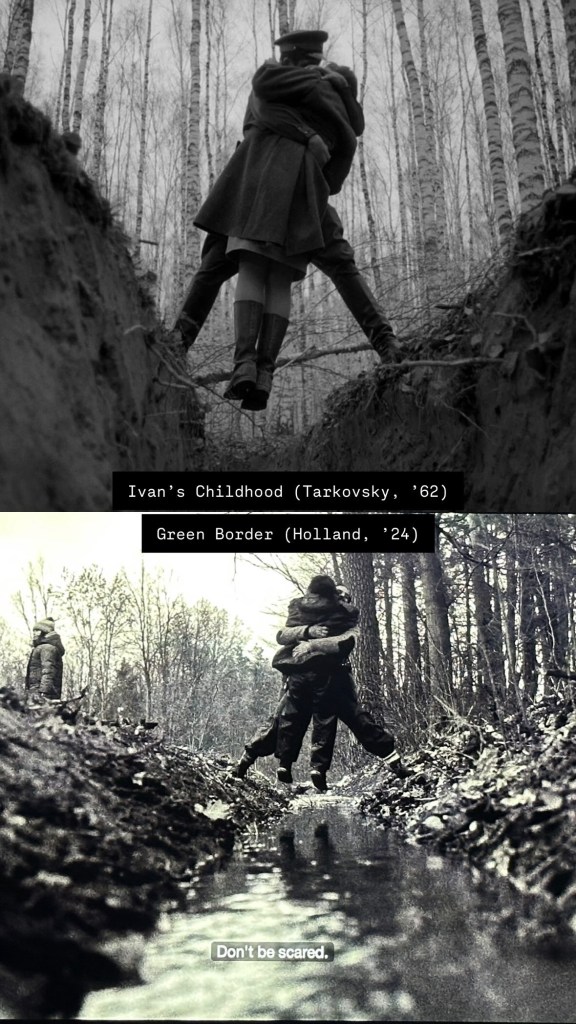
At first, a porous border appears to be the calm eye of the European migrant storm, but as Holland forces us to hopscotch back and forth between Poland and Belarus multiple times, we discover the situation is more a two-sided crosscut saw of misery. Only by viewing this muddy limbo through the eyes of multiple POV characters are we able to witness any moral epiphanies, political action, or serendipity which promise any modicum of escape. In this film’s grey area and in real life, there exists a final, cruel irony: the only way to truly make Poland’s border green is by adding blue and yellow.

While we’ve seen some semblance of Sebastian Stan leap from moving cars and punch through concrete walls, it’s his performance here which fully displays his physicality as an actor. The moment he rips into his face in a transformative act could inspire jealously from either one of the Cronenbergs, but it’s his body language in quieter scenes which showcase a biting, black comedic wit. He’s awkward, confused, giving a maladroit attempt at constructing a new identity for himself.

The mental gymnastics up their level of difficulty once Stan’s world widens, incorporating other players, stories-within-stories, and an artistic choice which calls to mind Luis Buñuel’s That Obscure Object of Desire. By the end, it’s difficult to tell what’s real, what’s magic, what’s been patched up by the building super. Consistently surprising, occasionally hilarious, this twisted nesting doll almost reaches the high anxiety heights of Charlie Kaufman’s best work.

A clear, four-star movie inching itself towards a higher ranking because of the sheer brilliance of chemistry between leads Glen Powell and Adria Arjona. Even in Linklater’s auteur hands, this is a work ultimately defined by its movie stars, who confidently steer us through its fairly frequent—if silly—genre and plot pivots with the same ease as their role and wardrobe changes. A great supporting cast, an embrace (and not wallpapering over) of its budget-conscious NOLA setting, and vibrant color grading make this a straight down the middle popcorn crowd-pleaser that never got the communal, theatrical popcorn experience it deserved.

One of the best special effects in science-fiction remains a weightless embrace in Andrei Tarkovsky’s Solaris. It’s unexpected, simply executed, but most significantly, not loud. No dialogue or character reactions draw attention to it—the visual speaks for itself. It’s this same approach—to strip everything else away and enjoy the hold for dramatic effect—which allows Villeneuve to make the impossible look easy but also necessary.

It’s Harkonnen troopers scaling a cliff face with the relative ease of a toddler climbing into bed. It’s collapsing a sand dune mid-spine because a—mostly unseen—desert beast is plowing through it like a freight train (if you’re briefing a filmmaking team, how do you even create a visual representation of that with your hands?). It’s a black sun casting infrared rays, creating matte black picadors in a gladiatorial duel—one which would give even the color-blocking king of balletic fight scenes, Zhang Yimou, pause.

All that deserves mentioning because as in Dune: Part One, craft is the real hero here. Like sitting court-side at the Celebrity All-Star Game, this ensemble is happy to watch Villeneuve cook, knowing they’ll occasionally get tagged in to lick a blade or record a royal podcast. Special recognition though must be given to Léa Seydoux, coming in from off the bench to throw up five three-pointers in four minutes of pocket erotic thriller playtime. There’s just something so hilarious about Villeneuve’s most violent, sexual, and drug-addled work skirting the edges of the PG-13 MPA rating with the dexterity of a Spice Guild navigator.

Knowing this soapy love triangle (Love-All?) of actors and unabashed campiness would inspire a flurry of ardent reactions online, Guadagnino opted to pre-empt the fan-cam edits, quick-cutting every pedestrian walk-up and glare on the big screen with bratty techno bravado. After ratcheting up the tension, and edging onscreen sex, Guadagnino fucks the shit out of every tennis sequence. Ball cam. Subterranean court cam. Every. bead. of. sweat. cam. It’s this enfant terrible attitude which elevates an otherwise extremely silly genre movie from Hallmark to Loewe runway strut. Trent Reznor and Atticus Ross performing at the Oscars with the Gay Men’s Chorus of Los Angeles LFG.

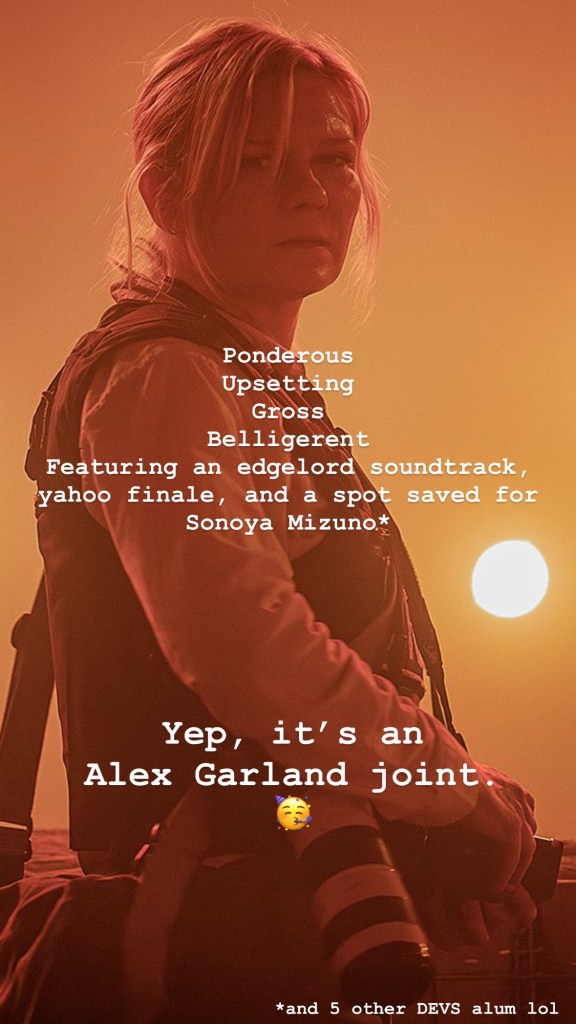
If you’re able to look past a creative redrawing of our country’s map (possible if you don’t assume red and blue hues must be calcified forever as they currently are) and can stomach a fascist regime which is party-anonymous, then there’s lots to enjoy in this Hearts of Darkness travelogue with a bunch of professional rubberneckers (in this climate, journalists only ogle, right?).

Teenagers really into black and white photography, dead suburban malls, Sonoya Mizuno in a Garland flick, and Christmas decorations left up well into spring provide the recognizable way markers to allow the unfamiliar to become more familiar. It’s time for a rewrite of the Classic Rock canon for a new generation—“Fortunate Son” just doesn’t sound the same in an SUV criss-crossing interstate arteries. Let’s try Suicide, Silver Apples, Sturgill Simpson, and De La Soul as the needle drops to war crimes. Are any of these right? I don’t know, what is the correct age someone need be to run a NGO refugee camp?

To gaze out the window at each of Garland’s decisions here is to witness a world actively breaking down without ever receiving all the answers as we speed on by. Almost as if inspired by the last time our world broke down during COVID, urban biking booms, xenophobia is justified to keep the front lawns green in suburban towns, and regular folk discover purpose in new hobbies. Through the literal lens of rose-tinted glasses, a simple DIY backyard landscaping project can become your manifest destiny. War, like lockdown, can bring out the best in people.

“Why architecture?” It’s a rhetorical question for Corbett, as any film about art inevitably draws comparisons to filmmaking being its own long-term, tortured, gargantuan construction. But when asked of Adrien Brody’s László Tóth, his answer is much more practical and self-preservationist: creating useful things makes you useful. Makes you indispensable. Like brutalism could be a concrete bulletproof vest to protect him from prejudice and persecution.

His time confined to a concentration camp proves otherwise, but even as the rest of WWII raged and cities flattened, his buildings were the ones which survived. When the bombs fell, they avoided his buildings. Guy Pearce’s Harrison Lee Van Buren perks up when he hears this. He understands the context, but takes away a completely different lesson: we can utilize those buildings—rent, sell, commercialize!–even when we’ve removed the man. Separate the art from the artist, showcase what is desirable and explain away any foreign elements in its creation.

Those who collect and codify the goods, hiding the names and attributions behind library cabinets, are the ones who have museums named after them. That’s the secret to legacy. And that’s what all great men, especially those who can’t create, truly want.

It’s a bitter reminder that money always wins, that is until we dig up Tóth’s ticking time capsule, an artist statement explaining the importance of having ceilings 50 meters high. It’s a multimillion-dollar practical joke, a middle finger that shines twice a day to the Transatlantic accent class. No, you didn’t just get knocked out, the credits are actually crawling diagonally.

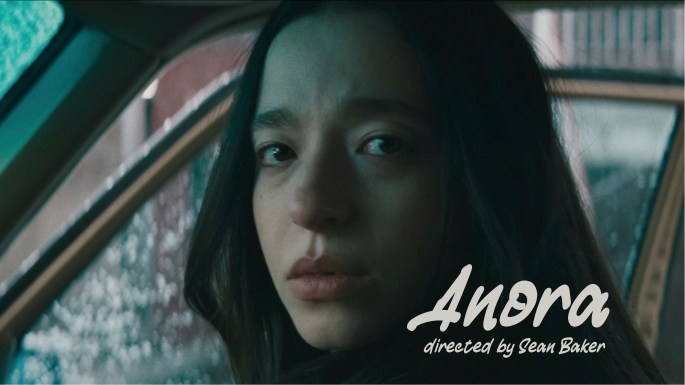
Involving elements of the world’s oldest profession, this film could be set at any time, any place. But Baker’s steadfast commitment to a real world filled with real people shows us that there’s a special magic in the contemporary which a period piece could never capture.

Take smart phones, which putting the entirety of human knowledge in characters’ hands, can too often be abused as a storytelling crutch. But Baker both loves them (heck, he shot Tangerine on one) and knows when not to use them: when Ani is to learn who Ivan’s father is, she’s told to Google him; when Toros can’t even muster up a head shot of his lost puppy, he relents, “I don’t have Instagram, I’m an adult!”

While phones are a convenient way to avoid conflict, face-to-face transactions are harder to worm your way out of. Who can say no to someone keeping you company on the way to the ATM or a judge’s gavel-banged courtroom instructions? Handshake agreements can just as easily fester into tarmac demands to grow up and be a man. Both are indelible images which don’t involve screens, just Mikey Madison making eye contact.

In between the tequila shots and shouting matches, it’s the moments when she’s looking elsewhere, away from the always-on gaze thrust upon her, when we can see she’s thinking. Considering her options. Plotting her next step. It’s a subtle, but effective telegraphing of that bruised American capitalist optimism. Maybe next time it’ll be better.

EVERYTHING I SAW IN 2024:

Argyle / The Taste of Things / Madame Web / Perfect Days / Drive-Away Dolls / Bob Marley: One Love / Problemista / Love Lies Bleeding / Road House / Dune: Part Two / Immaculate / Godzilla × Kong: The New Empire / La Chimera / Monkey Man / The Beast / Civil War / Sasquatch Sunset / Abigail / The Ministry of Ungentlemanly Warfare / The First Omen / Challengers / The Fall Guy / I Saw the TV Glow / Evil Does Not Exist / Kingdom of the Planet of the Apes / The Idea of You / The Beekeeper / Furiosa: A Mad Max Saga / Hit Man / Babes / The Strangers: Chapter 1 / Unfrosted / In a Violent Nature / Bad Boys: Ride or Die / Inside Out 2 / Robot Dreams / The Bikeriders / Janet Planet / A Quiet Place: Day One / Kinds of Kindness / Thelma / MaXXXine / Despicable Me 4 / Fly Me to the Moon / Longlegs / Daddio / Twisters / Am I OK? / Sing Sing / Deadpool & Wolverine / Fancy Dance / Dìdi (弟弟) / Trap / Kneecap / The Instigators / Cuckoo / Jackpot! / Alien: Romulus / The Killer / Blink Twice / Horizon: An American Saga – Chapter 1 / Strange Darling / The Last Stop in Yuma County / Snack Shack / Beetlejuice Beetlejuice / Rebel Ridge / Speak No Evil / Land of Bad / The Promised Land / The Outrun / The Substance / Emilia Pérez / In the Land of Saints and Sinners / Baltimore / Megalopolis / A Different Man / Wolfs / Saturday Night / Rumours / September 5 / Rap World / The Apprentice / The Wild Robot / Anora / Late Night with the Devil / The Order / Nickel Boys / A Real Pain / La Cocina / We Live in Time / It’s What’s Inside / Smile 2 / Juror #2 / Conclave / Woman of the Hour / Blitz / The Piano Lesson / Heretic / Flow / Wicked / My Old Ass / Queer / Maria / Gladiator II / Transformers One / Seed of the Sacred Fig / The End / Hundreds of Beavers / Babygirl / Red Rooms / Nosferatu / Carry-On / Green Border / Handling the Undead / Rebel Moon — Part Two: The Scargiver / Kraven the Hunter / The Last Showgirl / Touch / The Brutalist / Moana 2 / The Six Triple Eight / Sleep / Between the Temples / Wicked Little Letters / A Complete Unknown / The Room Next Door / Sonic the Hedgehog 3 / Nightbitch / Look Back

THE GIST:

A belated welcome, yet again, to my year-end filmography rundown.

To all the new readers out there, this list is an ongoing tribute to my friend who instituted this format, crappy DaFont stylization and all, and I’m committed to keep it going even as it feels ever more daunting and draining. After all, I always feel great when it’s finished.

Now, I don’t wish to normalize this tardy January posting for something that is celebrating all of the previous year, but the realities of now working in the high-pressure film industry mean that I encounter more frequent hiccups in writing about what I see and enjoy.

That’s not to say that the job hasn’t had its perks. I got to watch not one but two (!) films I worked on be seen the rest of the world, including, most awesomely, my niece during her first and second movie theater experiences (her popcorn consumption rate and technique is scarily similar to my own). Any lacking attribution in the end credits for work done behind the scenes is easily washed away by the ability to tell a three year-old that you’re good friends with the characters onscreen.

Of course, to keep things entirely unbiased and above board, I’ve removed both of those films from all consideration in the below categories. As for the rest, my deeply held, never-audited qualifications for what constitutes a 2023 release are as follows: if I, as a member of the public, could reasonably buy a theater ticket in Los Angeles to see it, or if it was widely published to an online platform in the United States, it counts. As always, the occasional international arthouse slow release rollout obfuscates this, but I try my best to stay honest to no one but myself.

Further complicating this definition though were the dual writers-actors work stoppages which kicked off #HotStrikeSummer and would inevitably punt some releases I saw early all the way into 2024, while also giving me my own minor occupational headaches.

But with a post-Covid glut of releases to sift through, I never felt a dearth of something new to see–something in years past which I would have to supplement by tracking down more foreign fare. This year, I recognize I have a lot more blind spots amongst the subtitled set.

Minor concerns though. I find so little to actually complain about. I saw a lot I loved. I had a lot of trouble whittling down this list. And there’s still so much out there for me to see. As it stands though, the following blurbs consider 109 releases from 2023.

Enjoy!

THE UNHERALDED:

The films that never found their audience, could just use some more exposure, or deserve another look.

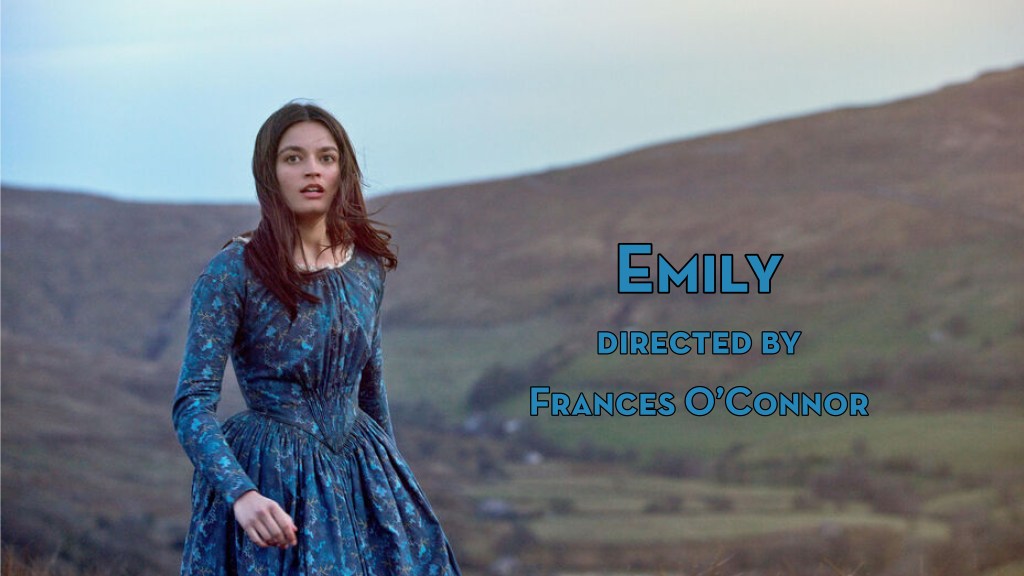
A period piece which recognizes how boring the doldrums of society conversation must have been, this is a Malick-like mediation on laying, waiting, and anticipating the moment Emma Mackey abandons polite-ish eye rolls and decides to fire off her verbal sniper rifle from across the room, delivering a single, killing blow of Brontë wit.

This tightly wound procedural manages to refreshingly give some breathing space to subplots involving chilling with the boys and adventures in kitchen renovations.

A belated coming-of-age which walks right up to the edge of thriller, arm hairs all on end—not from any looming sense of danger—but from another moment of self-discovery for our protagonist.

Big, bold tonal swings and a non-stop inertia makes this Technicolor, fish-eyed rom-com feel like we’re watching a meet-cute inside Mad Max: Fury Road.

Filling the unoccupied space of late autumn holiday slashers, this strategic win pitched in the key of Masshole earns hoots, hollers, and eventual annual second helpings.

FAVORITE MOVIEGOING EXPERIENCE OF 2023:

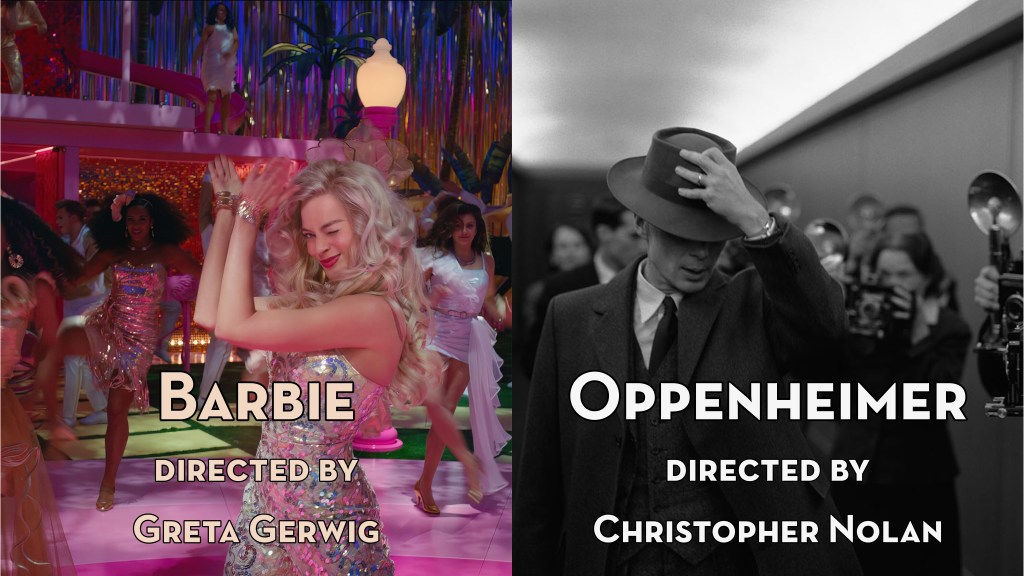
In a year when we were fully back from Covid lockdown, every public gathering became a hot ticket. None more so than for the pair of highly anticipated films premiering the July 21st weekend, Barbie and Oppenheimer. A dual commitment from both to not shift release dates meant that people could experience not one, but two zeitgeist moments in a single weekend should they refuse to choose.

The prevailing attitude, espoused by a generation which doesn’t blink an eye to unusual juxtapositions and cohabitations of styles and genres within playlists and personal bios, was that we could totally do both at once. Any old-world thinking of box office showdown became an afterthought as people planned their weekends accordingly.

For those of us in LA, it was a great exercise of our skills to make reservations and schedule a day around a movie theater visit. I didn’t overthink my double feature. I just found some times that worked and opted to blast hyper pop in the AM while munching on Red Vines before I cozied up into my black-coffee-fueled dad-rock den in the afternoon. But for those who needed to document and be seen embracing their multi-hyphenate identities to the extreme, the effect of these two films, taken together, flipped each of their creators’ original authorial intent.

I saw individual tickets for the extremely limited 70mm IMAX showings of Oppenheimer become—for the first time—highly marked-up, scalpable commodities, the ultimate trophy (golden or otherwise) which any single film could aspire for. Meanwhile, the longest queue not filing into either film’s showing wrapped around to the iconic Barbie box photo opportunity—before which groups of friends eagerly counted down to the moment they would pose shocked and awed before a flash. Within this shared theater space, it was Oppenheimer which best showcased a gross display of American consumerism, while Barbie became a drawn-out team-building exercise.

I WAS THERE WHEN IT HAPPENED:

How this film became the most touted conversation topic before, during, and after its release shouldn’t come as a surprise. It promised and delivered upon everything we thought we wanted: Euphoria set in a posh, fairytale estate with fancam Elordi; critical darling Keoghan awkwardly partying through the motions of sex and drugs; Pike serving all sorts of NSFW-mentionable looks on every red carpet unfurled from its rollout; and a series of “sticky” meme images you *must* see to understand their OMG contexts.

That all of this never convalesces into a meaningful whole is all quickly explained by Fennel’s position at the helm, now delivering 0-for-2 on films with any substance (she’s backed herself into the ugly corner wherein the only way she can keep her tilted, firebrand crown through her third feature is to shoot a dog).

But pound for pound, you can’t deny this film has more style than most this year. The accents, the clothes, the abundance of shots which will show up in other commercial directors’ mood boards for a long time to come, and yes, the music. This is 2007 electroclash and bloghouse pandering at its finest.

To take this question mark of a category prompt at its most literal, looking at 2007, yes, I was there when it happened. At least I can feel high and mighty digging up my hot take that “Murder on the Dancefloor” isn’t even a top-five Sophie-Ellis Bextor track.

HOT MESS OF THE YEAR:

They push the definitional limits of “watchable” and will probably never again be seen by anyone with autotomy over the remote or a modicum of self-respect.

A film devoid of any dialogue need not be the province of the arthouse, but when this premise is stubbornly applied to a film that is so clearly internally screaming to say something, it must be recognized as a failed experiment.

There are many examples of successful action films with mute protagonists, but when every other character here is illogically rendered voiceless as well (within the same room, our hero’s wife can only convey her grief to him via an onscreen text message), it stretches the incredulity of this world to its limit and becomes more distracting and chaotic than the post-modern gangland anarchy in which it’s set.

While my ears thirsted for anything worth listening to on the screen in front of me, the barely attended theater I sat in also gave me little to focus on. My options: a full-volume but unintelligible argument in Russian from a couple who left halfway through the film or the dulcet sounds of snoring from a man in the row immediately behind me. Somehow both parties saw even less in this film than I did.

A very special Dishonorable Mention for this one because it took me multiple home-viewing attempts to trudge all the way through, a task I’ve now properly flagged as an automatic qualifier for this category ever since Space Jam: A New Legacy made me first realize that my lacking time management skills and poor judgement of priorities could at least produce a single line-item anecdote in my annual film writeup.

HONORABLE MENTIONS:

Because making a ranked list is hard, these shortlist candidates are ordered alphabetically.

Delivering on the musical theater potential of a French courtroom’s composition, this rollicking song-and-dance number features blind boys, sarcastic lawyers, bad girl-bosses, and the most arch needle drop of the year. It was an instrumental!

The genre of boom and bust tech tellings is becoming sadly long, but this one barrels through entertainingly enough by explaining its success rested on the shaky architecture of nothing more than boardroom boars and dumbly exploited technical loopholes. With a commitment to building local and covert NHL franchise machinations, this is the most proudly Canadian movie of 2023.

A hilarious, queer, modern Heathers, the perfect case study for elevating the subtext to the main text. It’s Not Another Teen Movie through the lens of Assassination Nation.

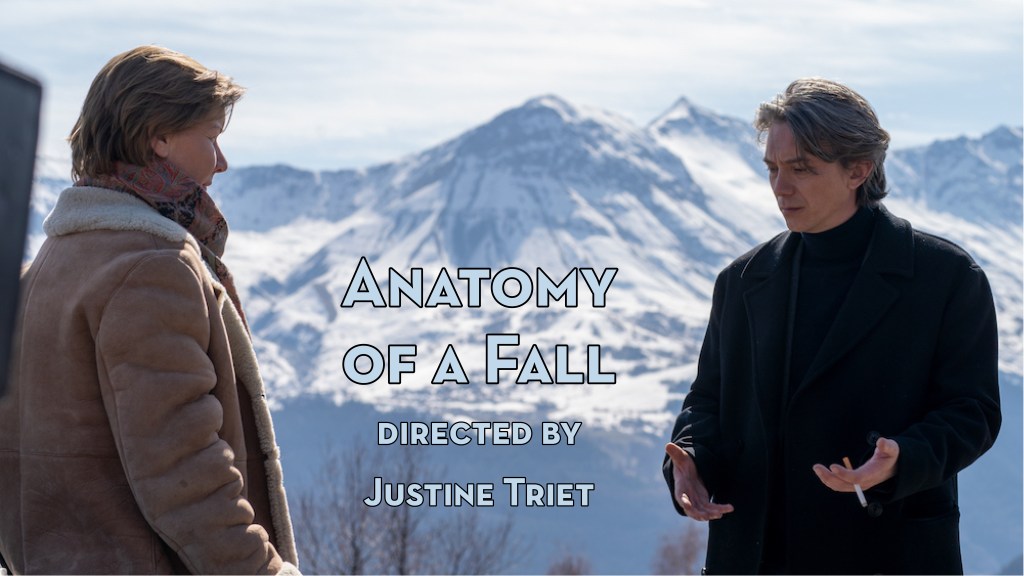
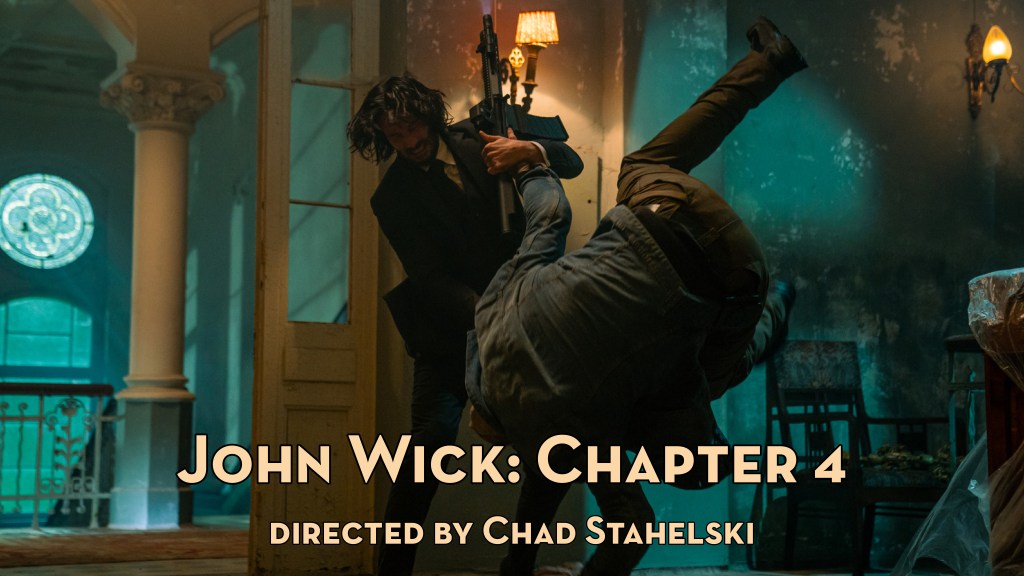
Points off for closing the book on a “4” instead of a “3”, as the steadily reliable acrobatic exposition finally hit its laugh limit. But for every down-note yin, there’s something like the dragon-gun shootout to provide the necessary, jolting yang to pick us back up and tackle the Sisyphean task of that Montmartre staircase three steps at a time.

Buoyed by a narrator more problematic and unreliable than a podcast host who over-performs for his video audience, this globetrotting one-man show folds up across six neat chapters. Fincher will say it’s a nod of respect to its graphic novel origins. Realists will say it’s him sneaking his slick, pitch-black visuals past the Netflix algorithm to deliver a more receptive audience, even if the stay-at-home crowd still haven’t gotten around to adjusting their TVs to properly display that one episode from the final season of Game of Thrones.

A marathon work, one that entertains and surprises by constantly changing up style and mise en scène on the fly. What’s more ugly American than wall-to-wall rock stars behaving badly and a captive audience listening to a live taping of a true-crime podcast hour?

There’s an exhilarating feeling that washes over you the moment you realize the film you’re sitting in is camp, especially if that camp is initially camouflaged by the desaturated pastels of a tiny-town, coastal Savannah. An intentionally muted palette serves this emotional scab-picking tabloid melodrama well, as it appears to receive the same lackadaisical level of color grading care the Lifetime TV movie made about this unstable nuclear family will eventually receive.

While a well-drawn, interior tug-of-war emotionally anchors this twee LiveJournal entry, things really get rolling when third-wheeling is studied as a voyeur cringe curiosity. Sometimes love means being the bigger man and not staying home with your Playstation.

An unintentional funhouse mirror pointed at Barbie, a black-and-white reflection of that doll’s life lived backwards: our mortal protagonist conquers death, grows up within the patriarchy, discovers the support of women, rejects capitalism to become her “own means of production” (with all the genitals), and eventually retires in a very un-plastic utopia. Go girl!

Fresh faces I care about, whip-smart directing, and a supernatural logic and context which make enough sense to me that the scares burrow in and earn themselves.

GREAT PERFORMANCES:

The actors who defined their films, made bad material great, and occasionally made you crawl the end credits just to see who that was, listed alphabetically.

TOP 10:

The bones of this film are pulled straight from the best heist thrillers around—the team-building romp of Ocean’s Eleven, the hold-your-breath execution of Rififi, and the insurgent and incendiary provocation of The Battle of Algiers. If you get your kicks from people in a huddle talking through a plan to break the law, sign right up.

Just know though, these guys promise no cache of gold behind a vault door or the raising of your favorite flag. No fortune, no glory, just a tantrum to stay alive. But, if a quickened pulse is all it takes, then the way this story is assembled together will deliver, as the ratcheting up of tension triggered my most effective heart attack since Good Time.

While other films this year could erstwhile be described as “punk rock”, this is the one that’s actually driven a broken van across the blank Midwest and spent a night in jail with a busted lip. Hell yeah.

While 2016’s Shin Godzilla succeeded as a jesterly, acid-dipped criticism of a specific moment in Japan’s political history, this re-reboot seeks to be more atemporal and leave a longer-lasting influence. It’s not about making a snide barb at the world now, but building a blockbuster therapy project to conquer the demons who still haunt decades on.

It’s the perfect Godzilla story, a retelling of the original with a fuller, more contemporary emotional vocabulary. When this historical context is bolstered by a great supporting cast of actual characters, the monster sequences take on more meaningful import. As if the international acclaim of Drive My Car inspired a new wave of hard-fought optimism in Japanese cinema, what we have here isn’t a battle waged against a creature but for a battered humanity.

Win or lose, it’s never not fascinating that one of a country’s longest-standing, soft-power pop-cultural exports can so consistently and effectively criticize its own government.

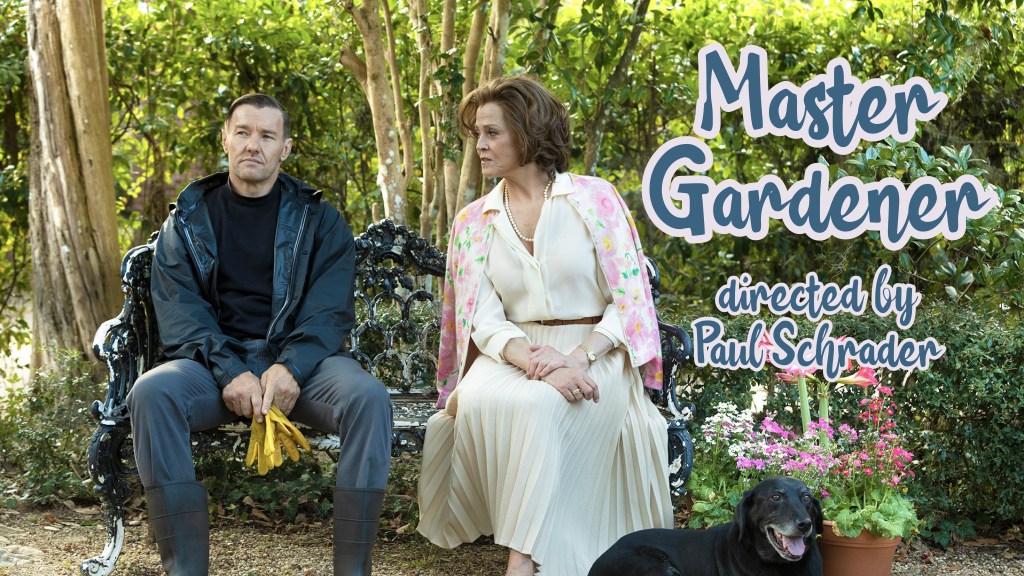
Capping off his “Difficult Men With Troubled Pasts” trilogy, Schrader takes us into the exciting world of horticulture to teach us a thing or two about rose bushes and a lot about metaphors barely buried in shallow graves.

Come for the weeding. Come for the journaling. If you can get on this film’s wavelength, its disregard for style (a purposeful anti-style?) is particularly fascinating. I’d argue outmoded crop-zooms and sloppy ADR matching aren’t just old-school flourishes but give the appropriate level of attention to messy, messy themes!

This is an ugly affair, but I love the gruff navel-gazing driving it all: can bad men become good guys if they pick up meditative hobbies? This is the stuff that boys like to think about!

If this film adaptation was inevitable, we are so lucky this is the form it took. While its feminist themes and corporate satire might be too light for the Third Wave, or too heavy-handed for thin-skinned others, they’re enough of a leap away from just the pure plastic fan-fiction this could’ve been.

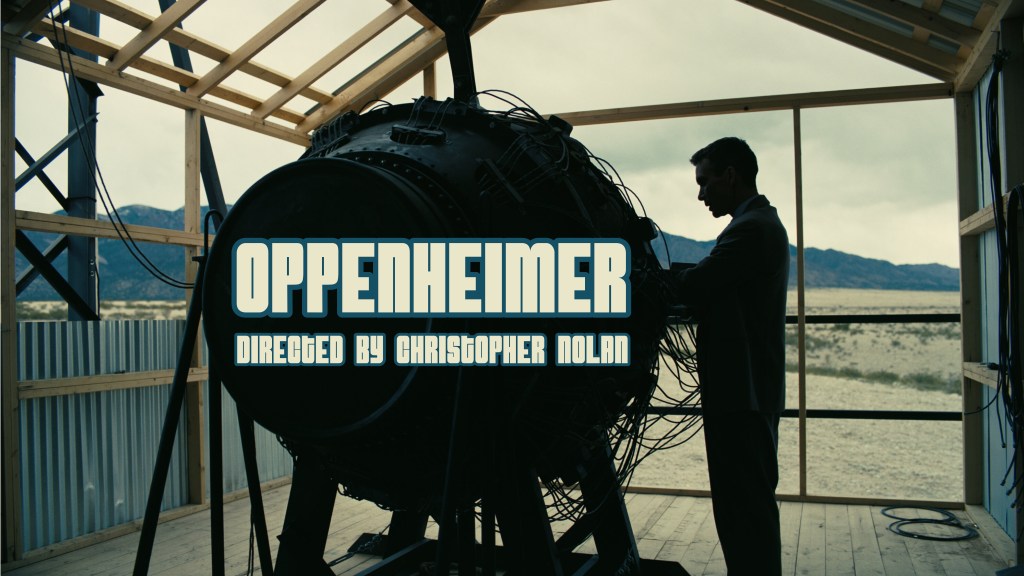
While its Barbenheimer complement sought to awaken a public numbed from CGI by practically detonating a pocket nuke, the actual most audacious special effect of the year was as simple as the uncanny image of bodies running across an endless white cyclotron set. It’s this craft, a commitment to all the seen and unseen work in the margins (where the suits from multiple corporate conglomerates wouldn’t be able to give teardown notes) that this film succeeds.

I can appreciate this film just for it wanting to expose a wider, younger audience to radical filmmaking images both oft-imitated and the more obscure. Kubrick’s origin of man. Jodorowsky’s display of the sacred and profane. Tati’s office purgatory. Fosse’s danse macabre (it occurs mid-warfare after all). This is huge.

Even while Barbie the doll can be anything, this film could never be everything for everyone. But Gerwig’s worldview and her widely publicized list of influences she wants to share with fans will have a more meaningful effect on the public consciousness than any rundown listing all the dream cars featured and wrecked in Fast X.

Cronenberg again delivers not just his inherited namesake’s gross-out body horror goop or bleak outlook on a society constantly (consistently?) in free fall, but steps out from his father’s shadow to deliver a roaring, pitch-black comedy.

I shuddered. I howled. I wanted to read an incomplete history of its fictional broken European state, filled with anachronistic rituals and corrupt officials patterned in 1970s chic.

Leapfrogging the simple, first-thought sci-fi logic of a never-ending, sun-drenched Mediterranean nightmare, this holiday presents itself as something far more fun and inviting, one perhaps you could be convinced of never wanting to leave.

Like a series of electrons furiously spinning around an atom, there’s an Ouroboros nature to the ideas explored here, witty turns of phrases returned to time and time again, a man’s personal foibles gaining meaning if only as rehearsals for later-delivered elegant monologues and historical quotes.

Even if Nolan again returns to the well of using a time-jump to deliver a final-scene knife twist (now eliciting more memes than admiration), the rest of the technical team he’s assembled and their achievements more than make up for any minor flaws.

Ludwig Göransson’s score treats physicists like rock stars on tour, turning chalkboards into new frontiers, and giving emotional weight to interior universes as much as the grand-scale creation of new ones in the New Mexico desert.

Tying it all together, Jennifer Lame’s editing wins the film, keeping a three-hour runtime surging forward with incredible urgency, overlaying dialogue and cutting before action to keep us off-kilter as we attempt to simultaneously occupy multiple times and spaces all at once.

Even those who bemoan the third act’s rigid shift (arriving intentionally at exactly 2:00:00) into “boring” courtroom facsimile ignore its significance. The achievement of the big boom we all came to see must be soured before we leave the theater again. We must be forced to sit through an iota of aftermath so that any ingenuity or charm we assign to this whole affair is given enough time to decay into true, lasting horror, something no longer just purely impressive but now to be rightfully feared and avoided when reconsidering a rewatch. How’s that for fallout?

The mines are shuttered. The foresting is slowing. And though there’s an underlying dread about something lurking within the still-dense woods, that’s just a distraction from the slow-burning fire that’s creeping across the Transylvanian countryside and right up to everyone’s doorstep.

There’s no clear-cut, black-and-white visual given to this fomenting rage, but Mungiu trusts we’ll be able to recognize a universal story even if we’re hazy on plot or ignorant of its real-world context. On the other side of it all, there’s still an entire history here I can attempt and fail to fully unpack.

All we need to understand is that this is about nativism, self-reliance, breaking bread and eating glass, and the ironies and limitations which reveal themselves in espousing interdependence, intra-dependence, AND independence.

Squint and you’ll recognize a complement in your own backyard, whether it’s the regular townsfolk keeping their heads down and just trying their best, the brutish main character the film abandons partway through the same way the rest of society does, or an ever-curious, open-minded cosmopolitan figure unfairly anchored by circumstance to her birthplace. Poetically, the latter spends nights performing Shigeru Umebayashi’s “Yumeji’s Theme” on her cello all alone. As one of just the many who are overlooked in Eastern Europe, she’s found a forgotten language of the Eastern World to properly deliver a futile cry for empathy falling on deaf ears.

If that’s too obscure for some, the film climaxes with a more easily recognizable scene, a single-take town hall showdown. As a debate on what to do about an “influx” of migrant workers devolves into a polyglot blame game, deep-seeded animosities amongst layered Romanian, Hungarian, German, and Gypsy identities push and pull, portraying a Tower of Babel crumbling in real time. Between the lines of color-shifting subtitles, any American viewer will hear echos of the familiar “We didn’t cross the border, the border crossed us!”

That the most poignant and clear-minded modern period piece of any origin came from a place I’ve never given much thought to stirs in me a chilling realization: if we look up, this fire is burning everywhere.

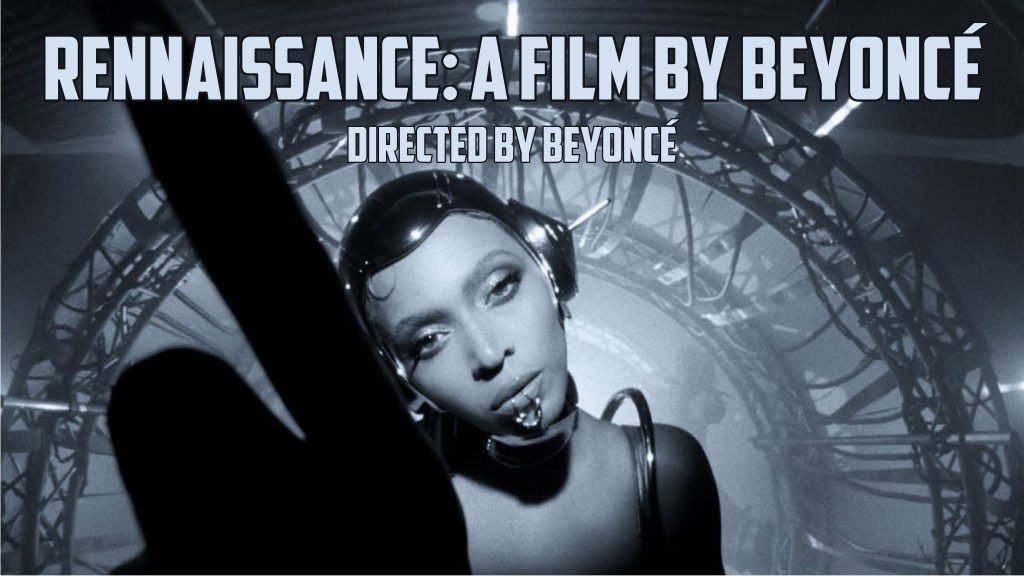
Early in this film, Beyoncé’s face is projected onto a multi-story screen before an arena audience. Like she was a cosmic body with undeniable gravity, a star orbits her, casting a roving shadow and illuminating every corner of her face, unearthing every discernible flaw and enlarging it tenfold. In laying bare the very human, physical base that Beyoncé the director starts with, she is asking us to recognize all the work she and her team do to build Beyoncé the icon.

Alongside this stadium-sized sculpting is an ever-present confessional narration. Whether you believe these thoughts to be genuine or side-eye them as just more artificial image-making, it’s undeniably clear, Beyoncé has taken her grandmother’s words to heart: “If you can make someone look good, they will love you.” Yes, Beyoncé loves herself.

How else to explain the first jaw-dropping visual medley that opens this film? On display is an editing technique I’ve never seen attempted anywhere else (not for lack of imagination, but simple wardrobe limitations), which I can only describe as Sartorial Syncopation, cutting on the beat of the music across dozens of live performances to create a kaleidoscopic flash of Beyoncé wearing multiple outfits separately and simultaneously.

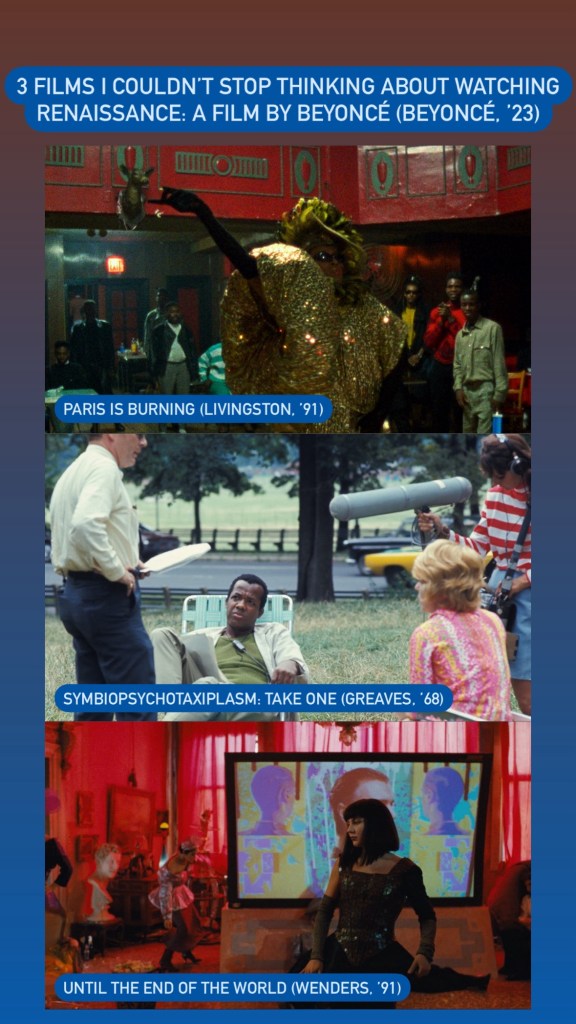
The logistics that make any of this even possible are explored in an in-depth explanation on the scaffolding—both mechanical and emotional—which literally sets her stage for Busby Berkeley crane choreography, Fritz Lang-inspired Afro-Futurism, and a repackaging of the ballroom world first explored in Paris is Burning for a much wider audience.

Only after passing through the stargate of Beyoncé’s entire universe, you realize this is not a concert film. This is not a rundown of her greatest hits (in fact, it’s those omissions that allow under-looked songs to shine brighter). This is a physical performance you’ve never seen before and a declaration that Beyoncé could read the phonebook and make it sound meaningful.

The simple log line is the green light for the novel this is based on. That’s the what. The how is what positions this adaptation as a divisive, love-it-or-hate-it “best or worst of the year”, but also, undoubtedly one of the few “films of the decade”—one considering not just this first impact but the rolling tally of every director who will dare crib from this frightening, reorienting vision in the years to come.

Because in the face of unspeakable evil, an entire genre of storytelling was created, its lesser renditions and visual shorthand making its immensely serious subject matter unfortunately rote. How could Glazer lure a modern, numbed audience back into this moment in history and convince them to not avert their eyes? In the grossest way possible, by giving the people of now what they really want: a trashy reality show.

Deprived of any actual onscreen horror, we’re left with an almost Kardashian-like slice of life, rotten comfort food detailing the unequivocally worst people in the world. As the audience becomes fat on family sitcom scenes, Glazer inserts subtle hints lingering innocuously at the edge of frame or just out of view.

Likewise, within everyday empty conversation, single words have been surgically inserted to serve as ever-nagging reminders. The ultimate quivering-hand litmus test, the genesis of the film’s only purposeful laugh-line—a most high-wire feat—is the result of a most dutiful bureaucrat’s delivery of a rote sign-off to be even more rote. When even pledges of allegiance become dangerously mechanical (he was just following orders “et cetera”), we’re reminded that language papers over horrors just as effectively as concrete walls.

And yet, still the most oppressive obstacle, one which I feel is the basis for assignations that this film is “monumental” or reminiscent of a Richard Serra work, is this score. Mica Levi’s minimal, totemic drone is immediately conscripted to join the ranks of Krzysztof Penderecki’s “Threnody to the Victims of Hiroshima” as a missive from the depths of hell. Paired with springtime bird chirps and a frightening editorial color block, the full impact on the audience is an aural monolith we can only cower before. Your will want to climb over this frame. We must see something else. We must hear something else. Even if it’s binge-watching abject horror, ignorance is a deadlier threat.

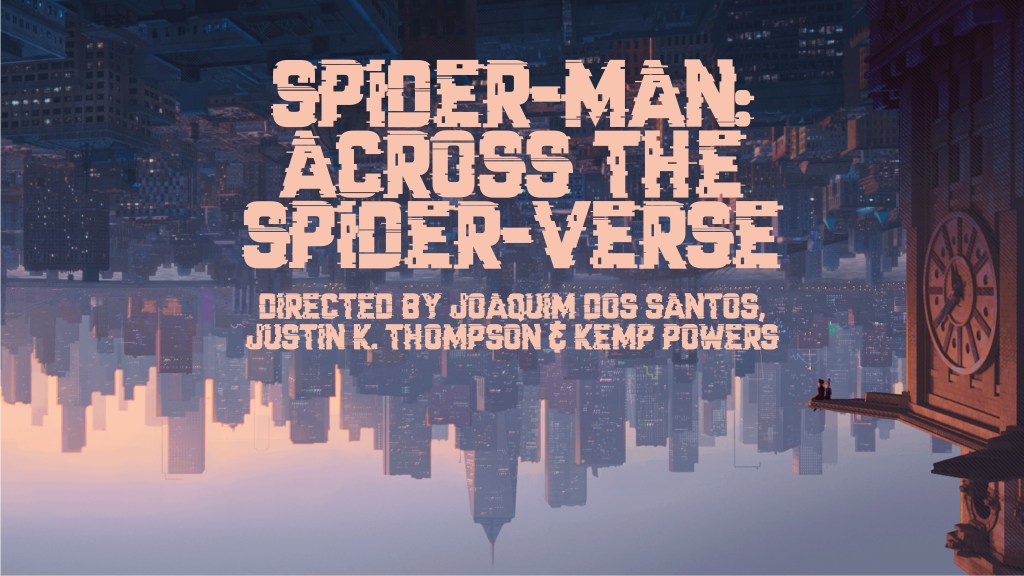
Like any great second episode (The Godfather Part II, The Empire Strikes Back, Toy Story 2), we’re immediately presented here with an unexpected U-turn in perspective, pitching us directly into the world of Gwen Stacy.

As a cold open, it’s a welcome fresh start, but it’s not a new Spider backstory or the promise of a father-filled emotional arc which hold any meaningful sway over the audience. Those details are almost comically yadda-yadda’d to nothing more than rough sketches, as the real draw here is a blank canvas for a radical palette of pastel watercolors and pop-punk synth possibilities to take form.

It’s these bold sensory strokes which whisk us through an action scene that continues to introduce multiple new complications, new characters, and further tangles a web we were only just thrown into. Before the title cards even roll, the first 20 minutes of this film feature more interior life and paradigm-shifting stylistic ideas than potentially the last 20 years of film.

Thankfully, none of this these AV leaps forward come off as heavy-handed, as a rapid fire of jokes and blink-and-you’ll-miss footnotes reassure me I’m having a good time, even when I get lost in the ever-stacking A-B-C-D plots. It’s all going to be ok.

With every rewatch, I continuously struggle to delineate how many clear acts this film even has. Is it a clean, serialized three? Or is it a single-sitting binge of six episodes? It’s this disarming of my ability to detect when one issue of Spider-Man ends and the next one begins which makes this the perfect comic-book film.

Because in this amorphous structure, I can remind myself: this is all bigger than just that Spider-Man. This is a fulfillment on the broader promise of multiverse storytelling, that no single story—not even a single character—has to be “the one” any of us care about. If by the third film that concludes this Spider-Verse saga, we see an entire war for the fabric of time and space from the POV of an entirely new character still yet to be imagined, I would be thrilled.

We’d probably get to see more new visual artists surface from the depths of online to guide us into these new worlds, rock out to another stellar B2B set between Daniel Pemberton’s kitchen-sink score and Metro Boomin’s superstar lineup, and witness Hailee Steinfeld build even more upon her already committed vocal performance on display here, prying open the possibility that the Academy Awards might finally recognize acting and art in all its forms.

EVERYTHING I SAW IN 2023:

M3GAN / Plane / Infinity Pool / Knock at the Cabin / 80 for Brady / Magic Mike’s Last Dance / Ant-Man and the Wasp: Quantumania / Shotgun Wedding / Saint Omer / Return to Seoul / Inside / 65 / Scream VI / Tetris / John Wick: Chapter 4 / The Super Mario Bros. Movie / Dungeons & Dragons: Honor Among Thieves / Creed III / How to Blow Up a Pipeline / Air / Evil Dead Rise / Beau Is Afraid / Polite Society / Guardians of the Galaxy Vol. 3 / Fast X / Master Gardener / Sanctuary / Emily / Migration / Blackberry / Past Lives / You Hurt My Feelings / Spider-Man: Across the Spider-Verse / Transformers: Rise of the Beasts / Asteroid City / The Blackening / Sharper / Elemental / Extraction 2 / Indiana Jones and the Dial of Destiny / No Hard Feelings / Rye Lane / Sick / Reality / Nimona / Mission: Impossible – Dead Reckoning Part One / Barbie / Oppenheimer / Talk to Me / Teenage Mutant Ninja Turtles: Mutant Mayhem / Passages / Bottoms / Gran Turismo / Chevalier / They Cloned Tyrone / Showing Up / The Equalizer 3 / Theater Camp / A Haunting in Venice / The Creator / The Royal Hotel / Strange Way of Life / Dicks: The Musical / The Wonderful Story of Henry Sugar ; Poison ; The Swan ; The Rat Catcher / Reptile / Anatomy of a Fall / Killers of the Flower Moon / The Pigeon Tunnel / The Killer / The Pope’s Exorcist / Priscilla / The Covenant / The Holdovers / The Marvels / Dream Scenario / Are You There God? It’s Me, Margaret. / May December / No One Will Save You / Next Goal Wins / Saltburn / Napoleon / Thanksgiving / A Thousand and One / Luther: The Fallen Sun / Cassandro / Quiz Lady / Godzilla Minus One / The Beanie Bubble / The Iron Claw / Silent Night / The Boy and the Heron / R.M.N. / Leave the World Behind / Poor Things / Eileen / Wish / Fingernails / Maestro / The Zone of Interest / Monster / Wonka / Renaissance: A Film by Beyoncé / Afire / American Fiction / Fallen Leaves / Rebel Moon – Part One: A Child of Fire / All of Us Strangers / The Last Voyage of the Demeter / Ferrari