


I’m so tired. But I watched a lot. And I have some thoughts.
The films that never found their audience, could just use some more exposure, or deserve another look.
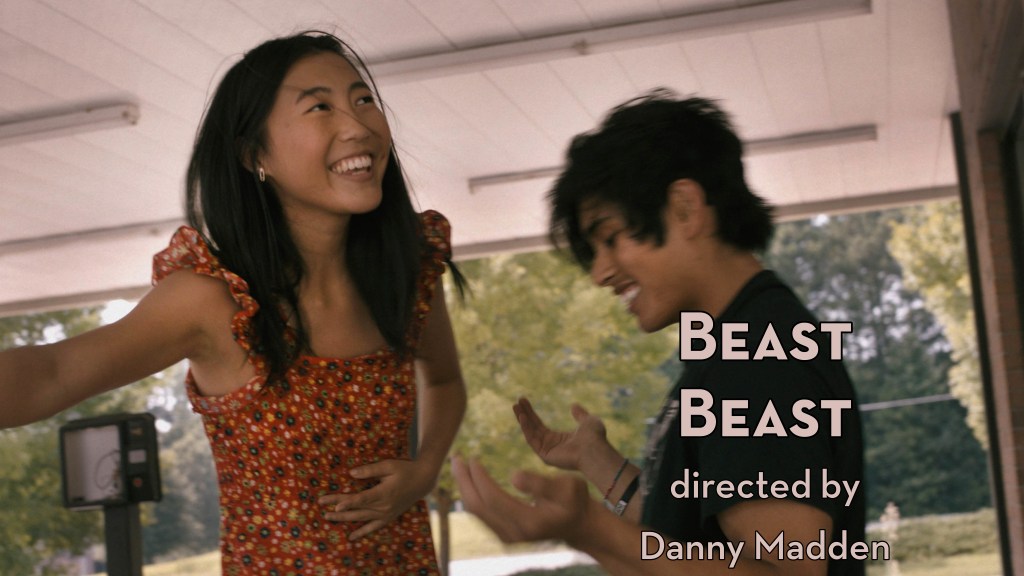
A high school triptych that accurately and awkwardly captures the archetypes and pitfalls of modern adolescence.
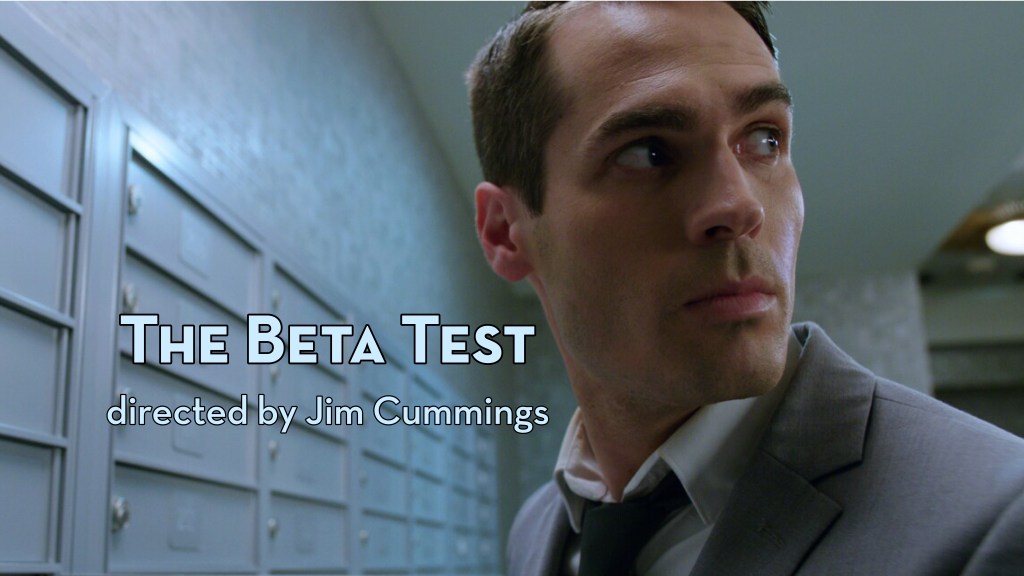
A paranoid and satirical thriller anchored to Cummings’ now-welcome style of nervy, unhinged combination of acting and directing.

Cold War tension transplanted to a proxy playing field, where the usual peninsula dialogues play out against a fury of revolutionary gunfire and an international buffet of diplomatic relations.

Brilliantly casting Hollywood pariah Clayne Crawford as a father desperate for redemption, this is a sparse, hard-boiled domestic dispute that features one of this year’s best opening and ending bookends.

A warm and sweet meet-cute that proves there’s still ample opportunity to innovate on and remix the post-blockbuster rom-com.
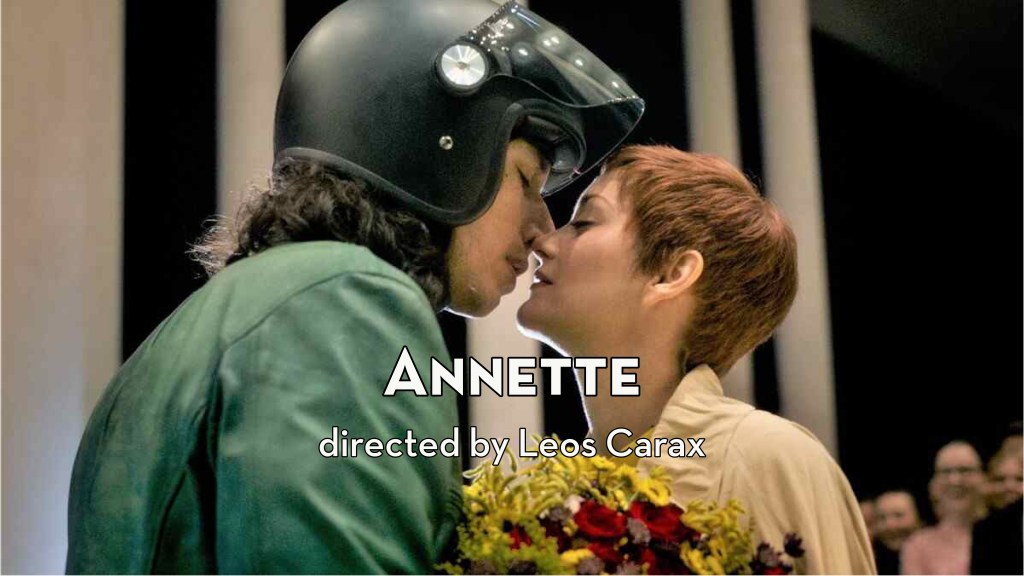
I was able to attend a sneak peek of this arch, experimental musical for LA Opera season ticket holders. Before ostensibly the safest audience possible—opera lovers, who regularly lap up four-hour sung tragedies—at least eight people walked out.
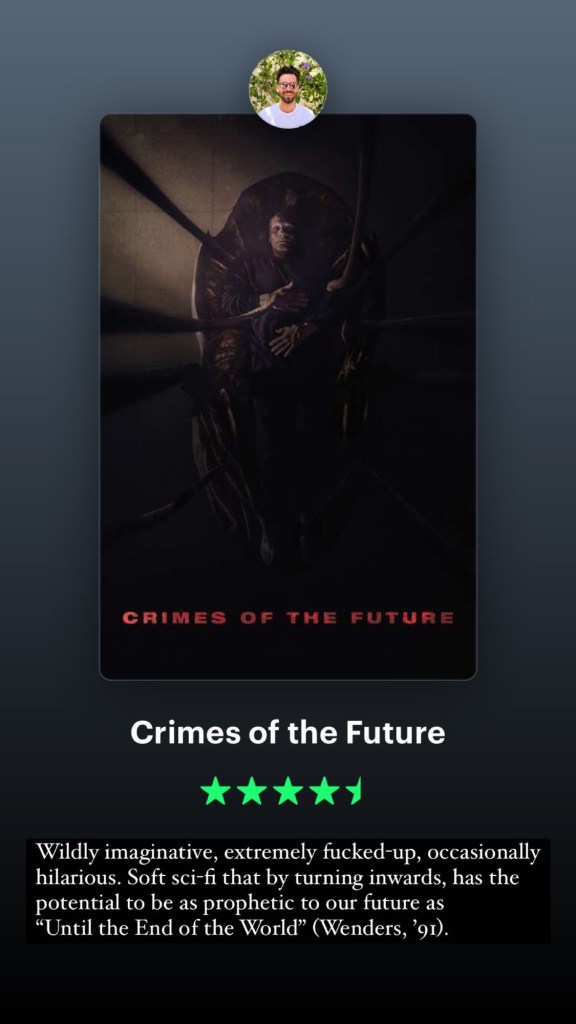
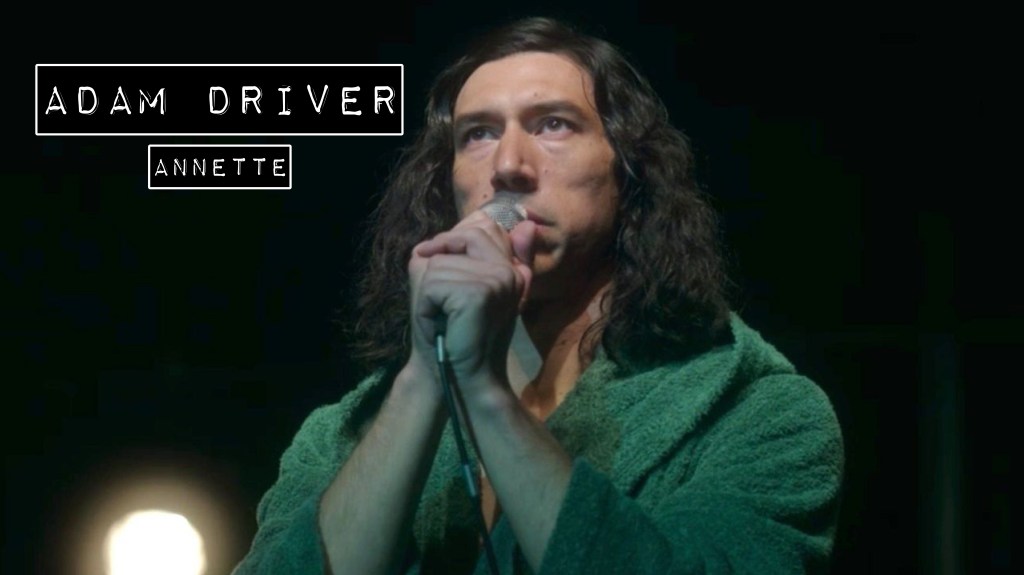
This bizarre combination of French auteurism, a comic Sparks soundtrack, and Adam Driver’s performance within a performance of Henry McHenry taking the stage as shock-jock, bad-boy comedian Ape of God isn’t for everyone. But for those who gleefully hang on for the ride, they’re blessed with being able to give the trigger warning for the uninitiated: “aggressively weird.”
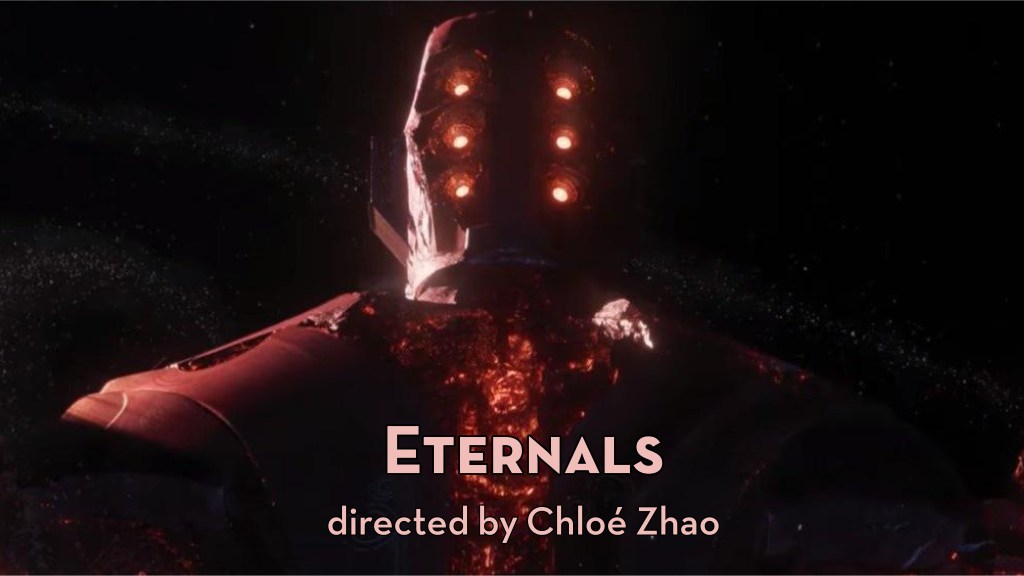
A beautiful mess that attempts to retool the faded, dog-eared MCU playbook. Ignore the quips and one-liners that pretty clearly were inserted after reshoots and focus on what a grand, superhero epic could be buried underneath.
There’s weird, crazy locales that don’t resemble any grey, washed-out Atlanta studio green screens. There’s matter-of-fact exposition dumps delivered with the most flat affect. And somehow, there’s the first Marvel movie that doesn’t foster a military-industrial complex hard-on because it would rather have beautiful people actually have sex with each other. This is the glimmer of a possibility that the genre can escape its violence-obsessed, sex-embarrassed American lineage and embrace stories more concerned with a familial unit than a big-bad villain.
But if you doubt Zhao misread the assignment, there’s enough tongue-in-cheek dialogue lines in the background to stand in as the studio notes she received by the volume (“We need more action!” and “The future is streaming” stand out). Hopefully this experience sours her from ever having to touch action figures again and she can concentrate on making stuff she loves.
As for Gemma Chan, an amazing star now cemented to a probable lengthy extended universe contract, let us just pray they stop putting British dudes on apple boxes and just let her be tall.
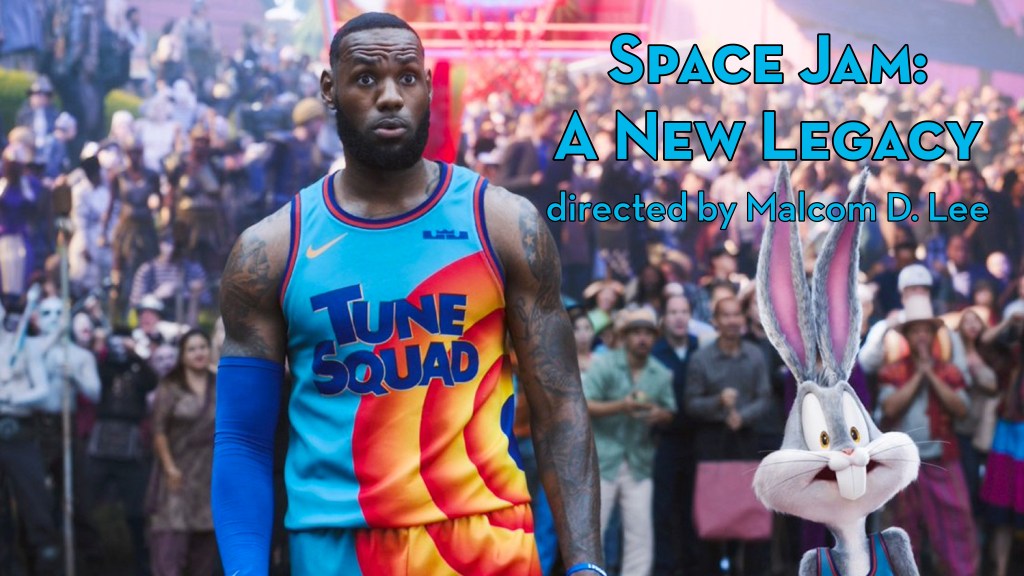
I make it a point of pride that I can keep an open mind and will myself to sit through any film. This tested my resolve. Digestible only in short, bite-sized chunks, it took me three viewings to finish this.
The most barren, cynical, soulless IP cash grab, it throws characters at the screen you scratch your head over who they’re meant for: do kids know who the Looney Tunes are anymore? Is this how they should discover the droogs of A Clockwork Orange? Are we to ever again respect charisma-free LeBron James?
Hopefully this will all be soon forgotten, along with any chance of James being in the conversation for G.O.A.T., because Hot Mess is a lasting asterisk.
Because making a ranked list is hard, these shortlist candidates are ordered alphabetically.

Romance, drama, and comedy follow a creative couple to Ingmar Bergman’s adopted home and bleed into their fictive works. A touching example of art being able to broach the difficult conversations around relationship strife.
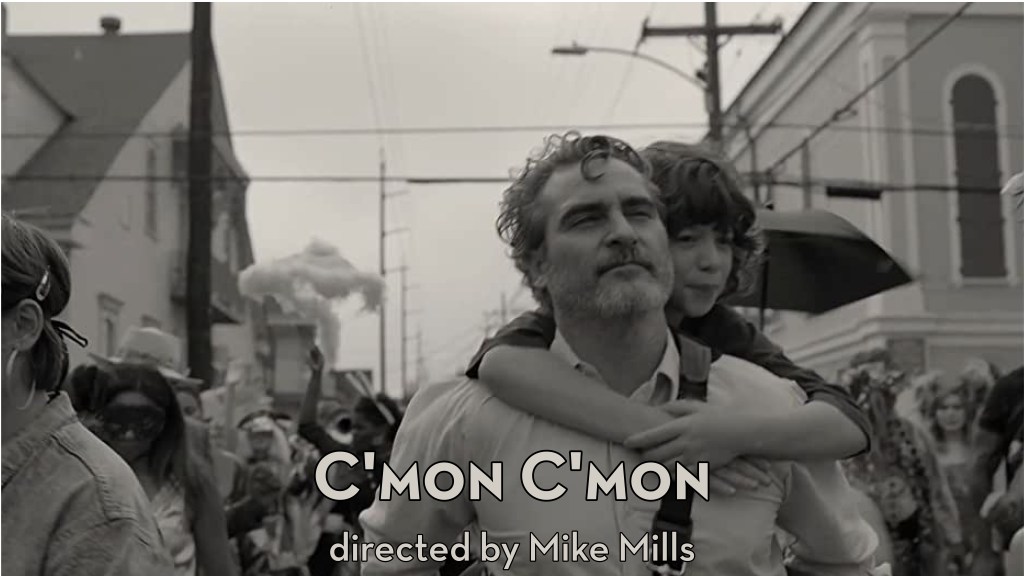
While Don’t Look Up purports to be this year’s premiere example of what our future will look like, its acidity sours most. But through the words of the real, unscripted children littered throughout C’mon C’mon, you’re bound to be filled with an optimism and open-heartedness rare to find this day and age.
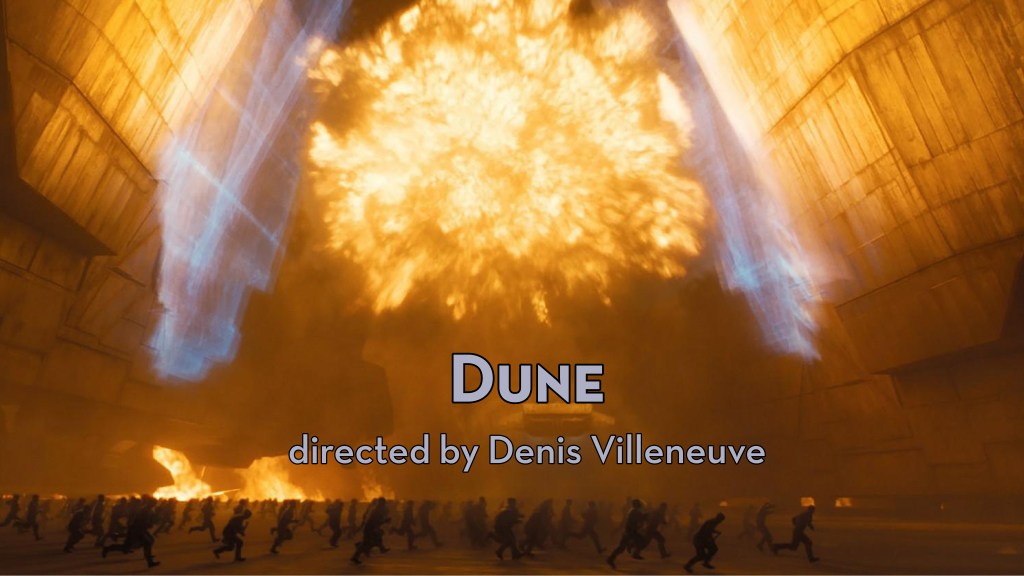
The new standard-bearer for mixing practical and digital spectacle, this embarrassment of riches lets you occasionally rest your eyes on the finest ensemble of beautiful people made to look ugly.
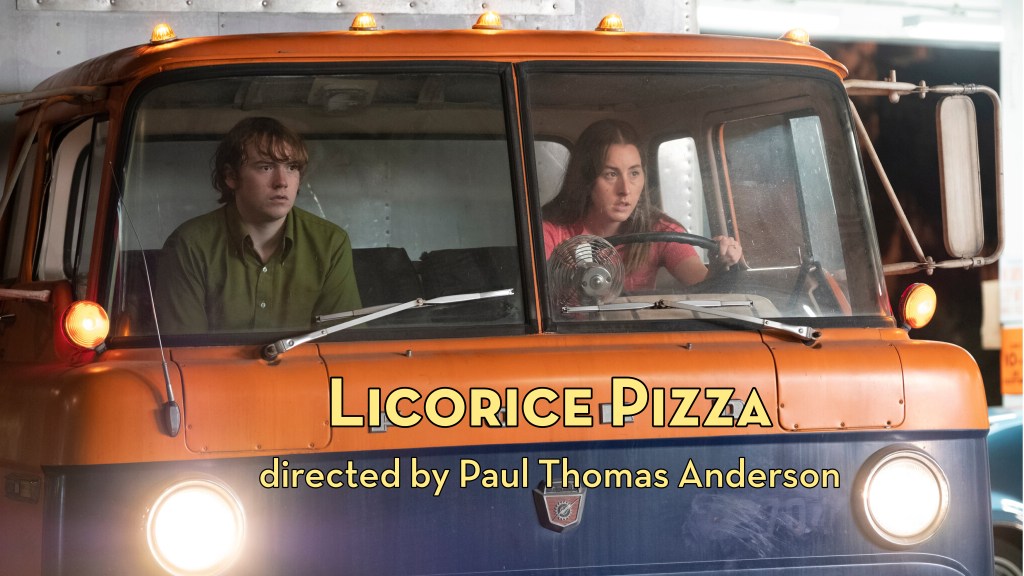
A slow, meandering cruise down vintage Ventura Boulevard, each stop raising more question marks and laughs than making any grand statements about young, misguided love.

If we’re forced to feed the assembly line of new franchises, let us celebrate that Wan decided to detour from the green washes and sepia that filter his other properties and create a tribute to cheesy Italian giallo, rife with surrealist lighting and cinematography, campy dialogue, and a new iconic monster.
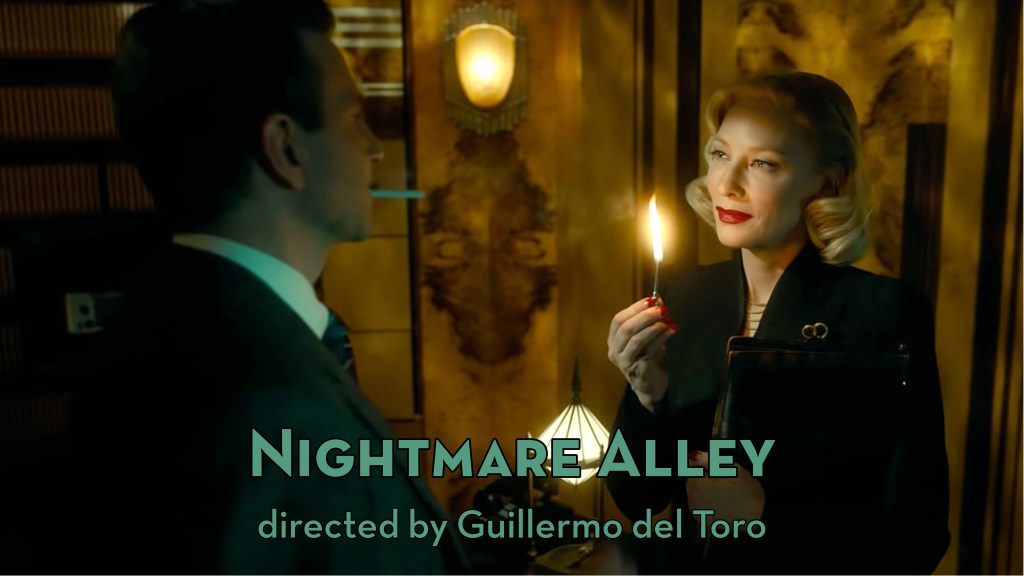
Deeply pessimistic but ornately dressed, this is a love letter scrawled during a hangover from America’s gilded age, festering in the malaise and crisis of confidence of post-war masculinity.
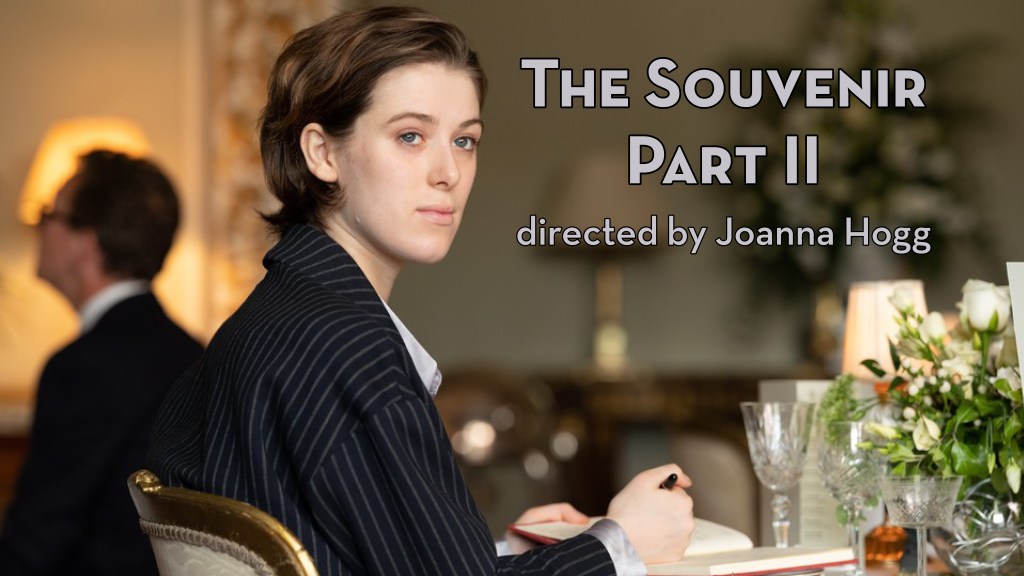
We love when a sequel is better than the original, especially when the story escapes obsession over a shitty boyfriend and allows a creator to find her true artistic voice.
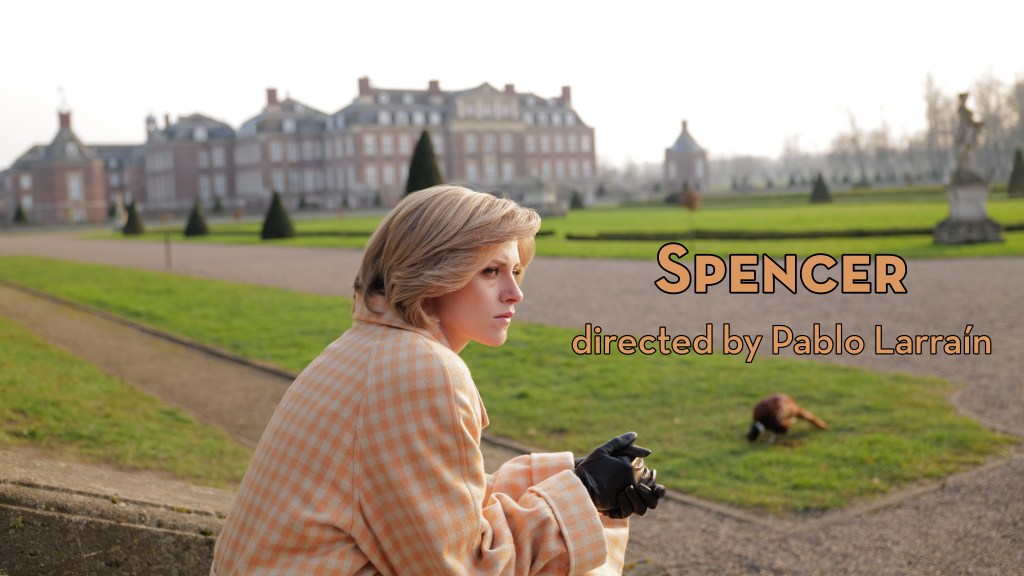
Stuffy, archaic royalty, draped in string chamber music, is railroaded by the percussive, jazzy saunter of a woman losing the battle with her family but winning the war for hearts and minds of the rest of the world.
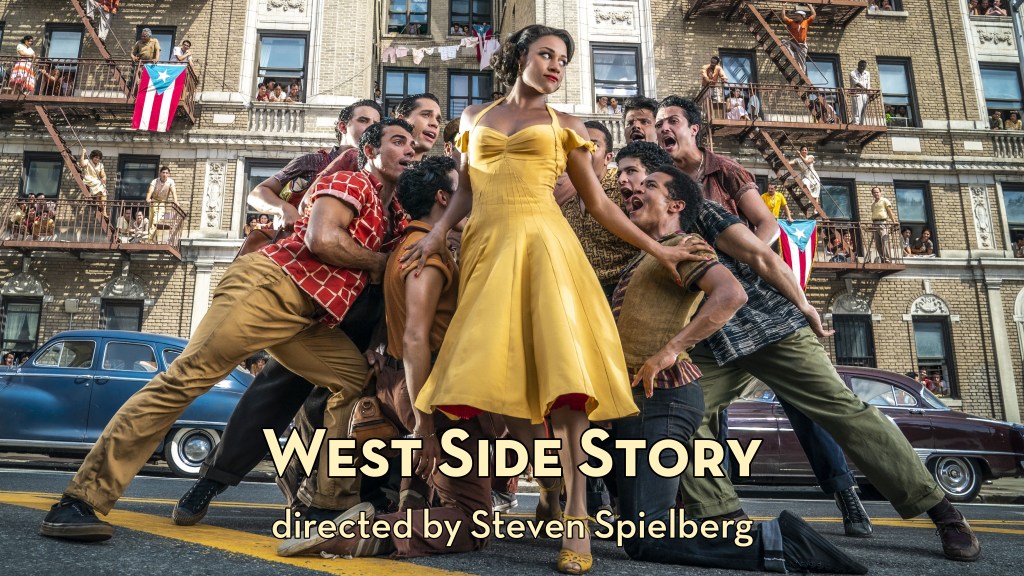
Our finest old dog shares new tricks—or namely ideas—in updating the classic Romeo and Juliet tale to more accurately reflect a time, a place, and the idiocy of young love.
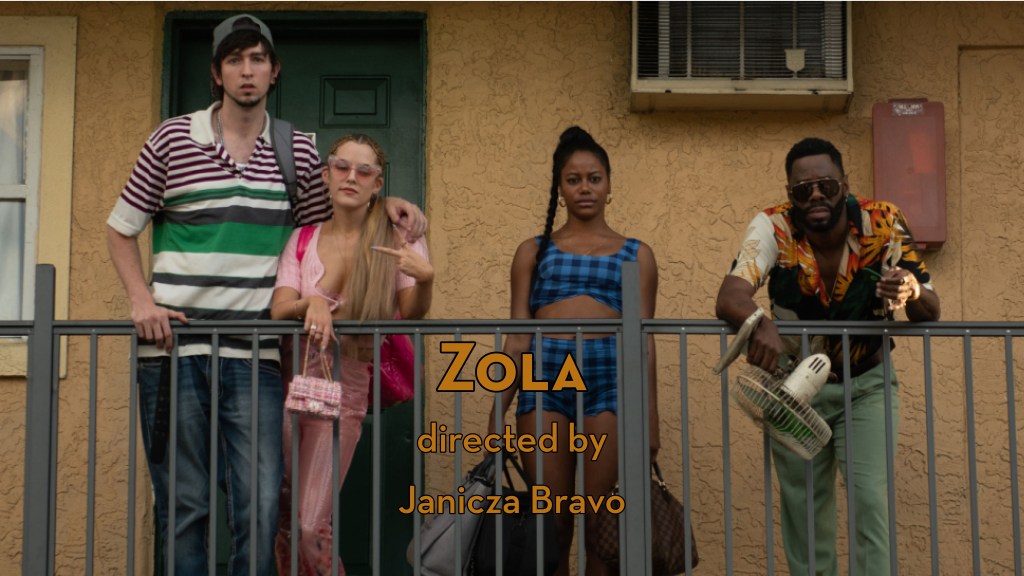
Comic yet troubling, this voyeuristic adaptation of a Twitter thread benefits greatly from the no-shit brilliant idea of having a Black woman spin the crooked fairy tale of a Black woman in a way that gives her agency despite its otherwise non-stop rollercoaster whiplash through hell.
The actors who defined their films, made bad material great, and occasionally made you crawl the end credits just to see who that was, listed alphabetically.

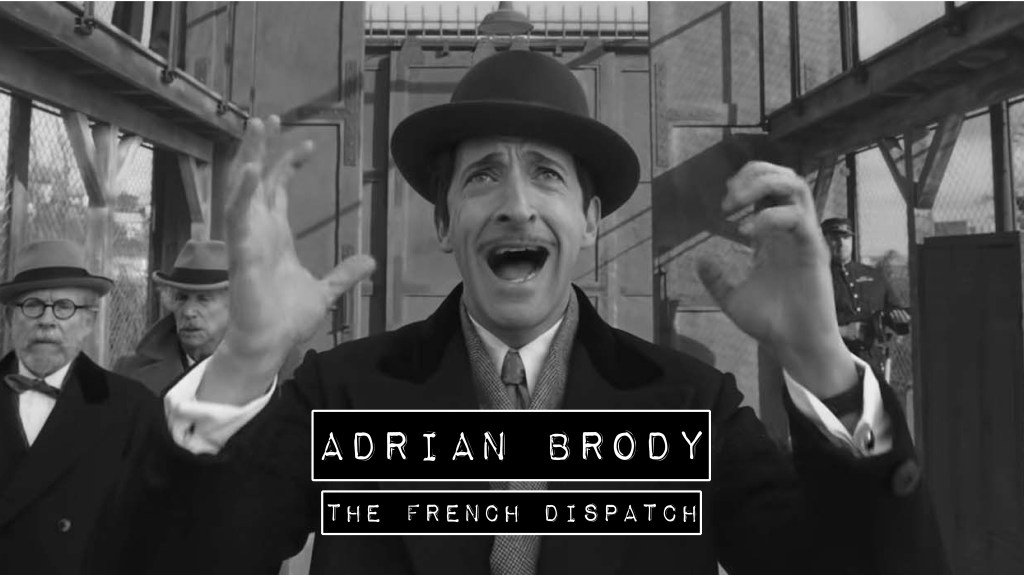






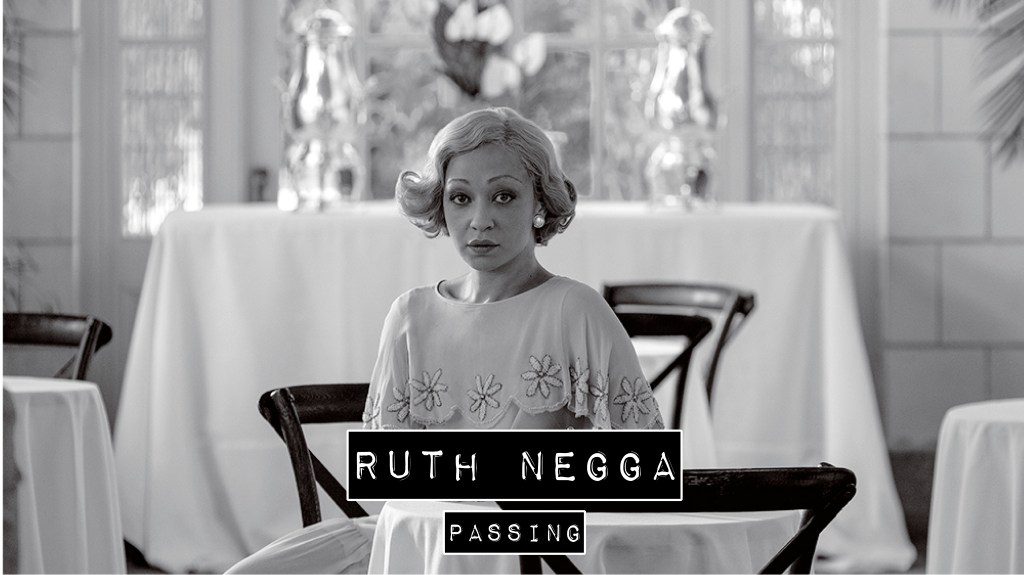
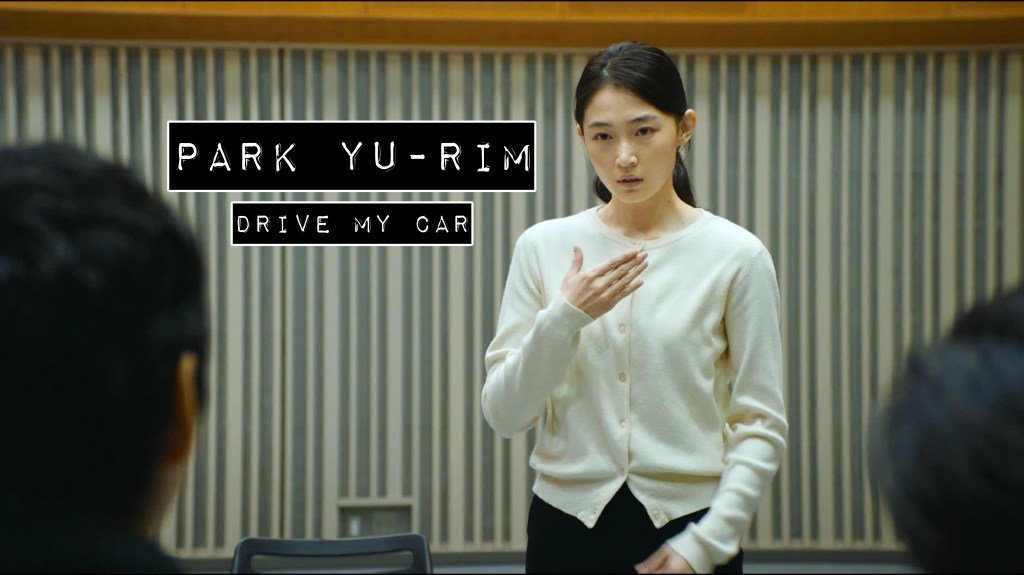
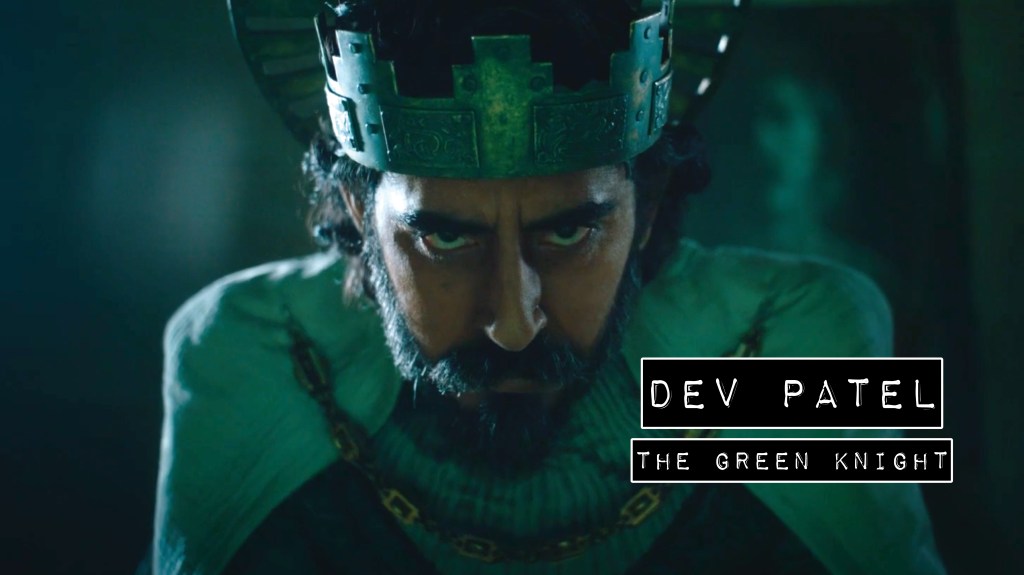
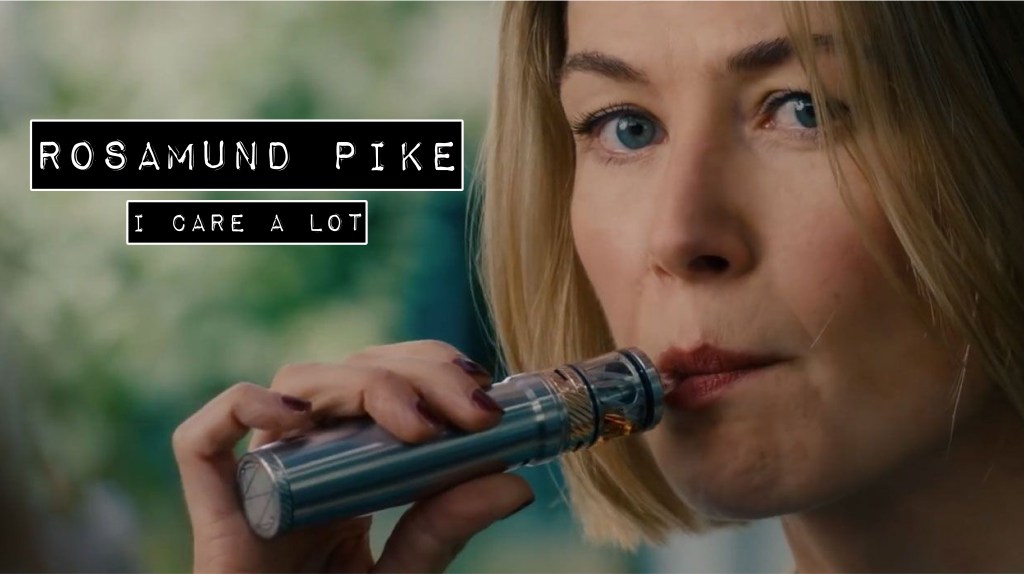


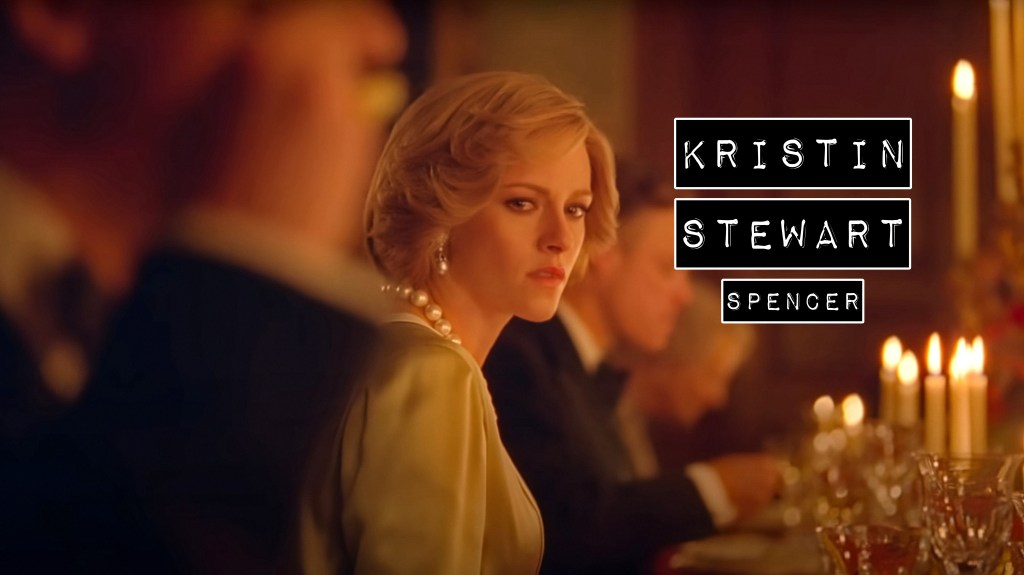
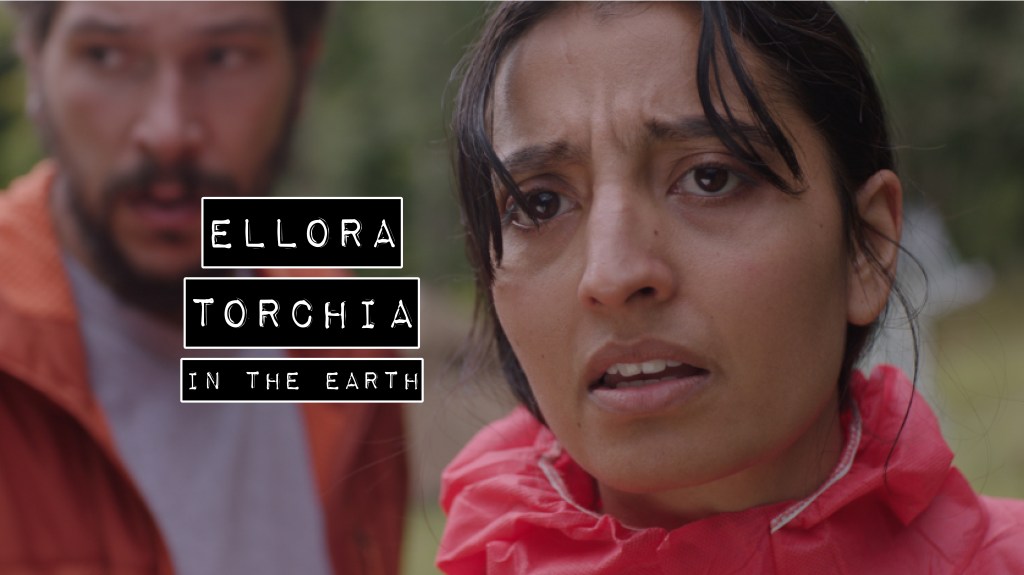
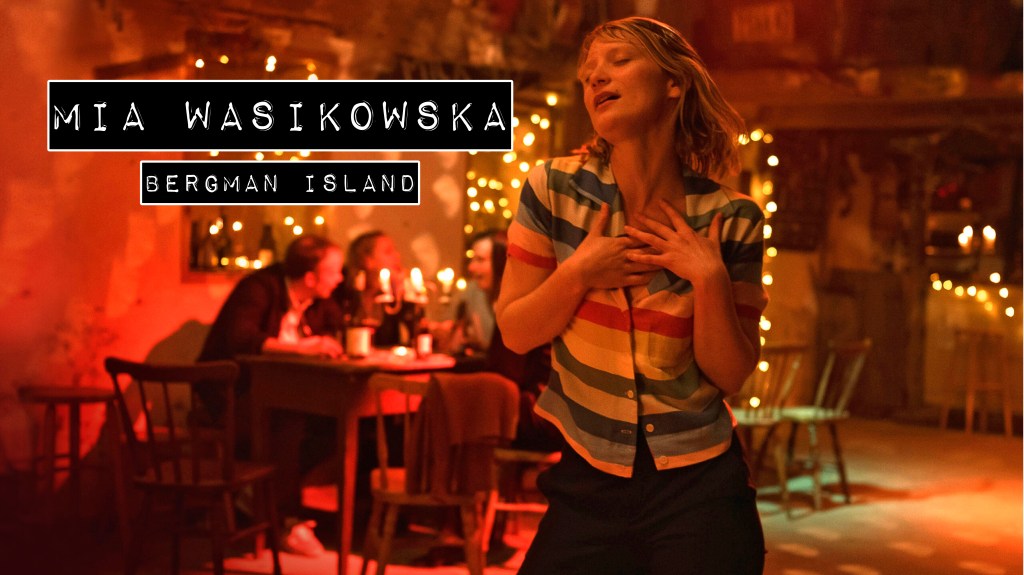


…And two non-actor performances which deserve recognition:


A lover’s quarrel is the perfect film subject. Clear characters that can share the roles of protagonist and antagonist, conflict (or conflicts), and an arc that promises resolution or at least discovery. Set it black and white and in the shadow of a party celebrating a man’s creation, and we’re very clearly in the realm of homage to Michelangelo Antonioni’s La Notte.
A bourgeoise-dressed, literati-obsessed slow-simmering argument which metes out brilliant flashes of humor and existential breakthroughs but always keeps it brutally real. Every dagger opens up a wound a little more, ’til by the end, exhausted, bloody , and bare, we have a full view of this relationship.

Interpreters, by definition must be close to subjects, but confined to a passive role, an observing bystander. From this perspective, we witness violence before it happens, machinated in words and bureaucratic logjam before bullets are ever spent.
A story about war crimes that’s told like a comedy of errors, the eponymous Aida throws herself into a series of doomed fetch quests, cheating clerical work around a UN peacekeeping outpost in effort to save the day—or at least her family.

At this point, there’s very few points to claim in another image rehabilitation of the Western. But strong performances, impeccable craft, and stunning vistas successfully distract you long enough for the film’s narrative trick to land, pivoting your opinions on every character.
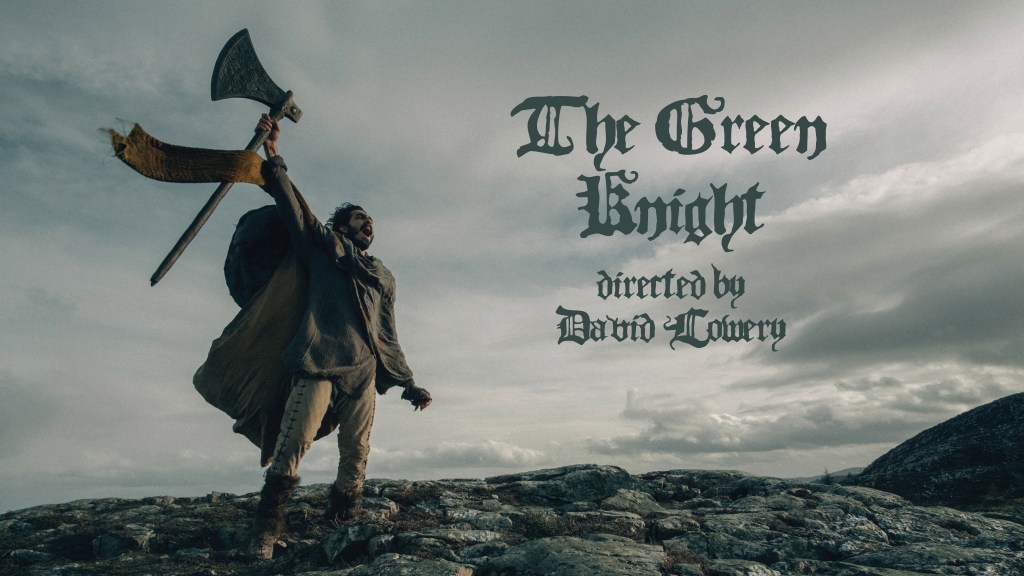
Coming-of-age devoid of any cuteness. An inflated epic that uses poetic episodes to elicit our protagonist’s most awkward reactions, up until he’s faced with the ultimate test of character. The best one-on-one showdown this year, a single decision unwinds an extended, mute view of a life ahead. Without words, it’s essentially breathless, floating easily to a stunning conclusion.
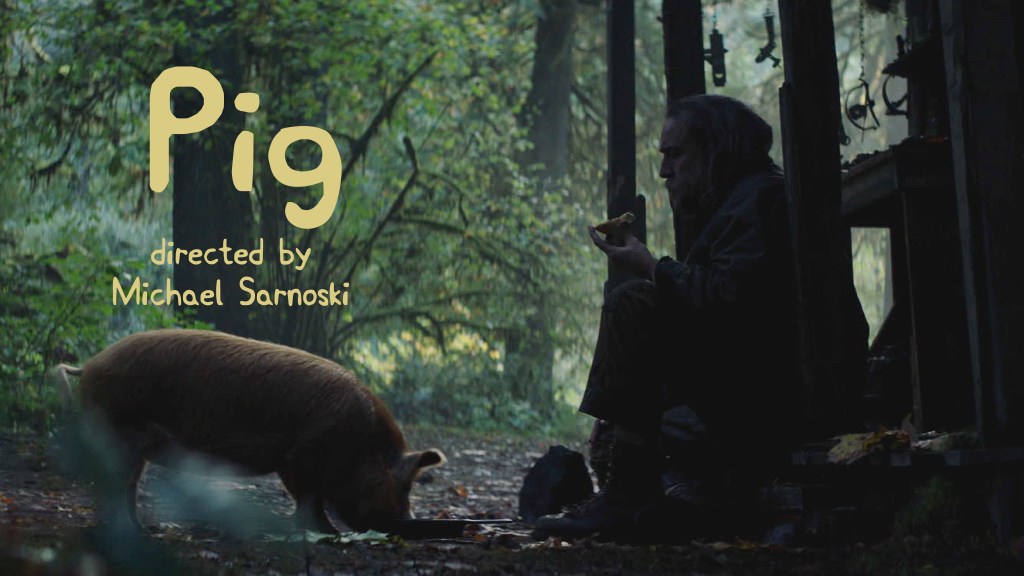
A masterful subversion of expectations, pairing Nicholas Cage to a gritted-teeth tale of swine reclamation, but never throwing a punch (even though some are received). Slyly presented as courses of a single meal, there’s ample time for pleasant dinner conversation about the power of food and the importance of love.
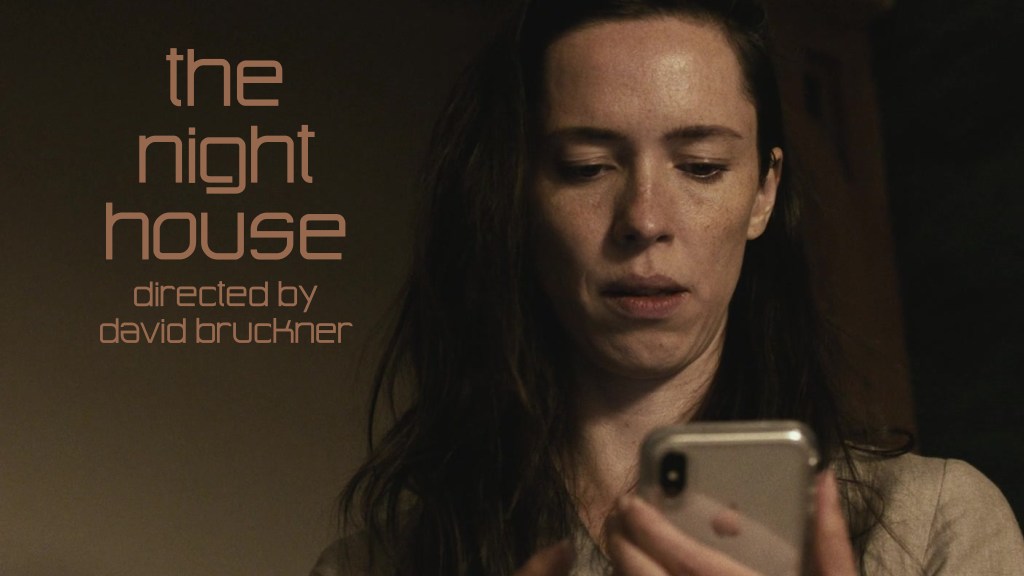
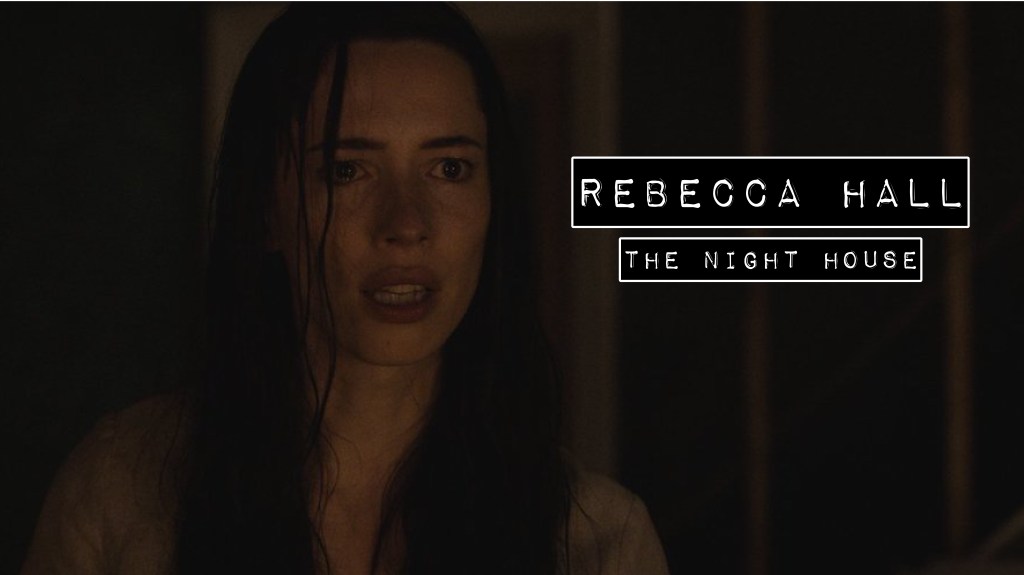
A great piece of horror. It has all the requisite bits you could want: a catchy–but nonsensical and misleading–title, a grammar of scares triggered by record needle drops and mysterious text messages, and an emotional arc more satisfying than unmasking any monster. Physiologically unnerving and consistently terrifying, it joins great company in The Invitation and The Babadook as in-house grief counseling.
A thrilling Rebecca Hall one-hander. And that hand is gripped tightly around a bottle of Hennessy, constantly throwing back swigs in this woozy, acting tour de force.
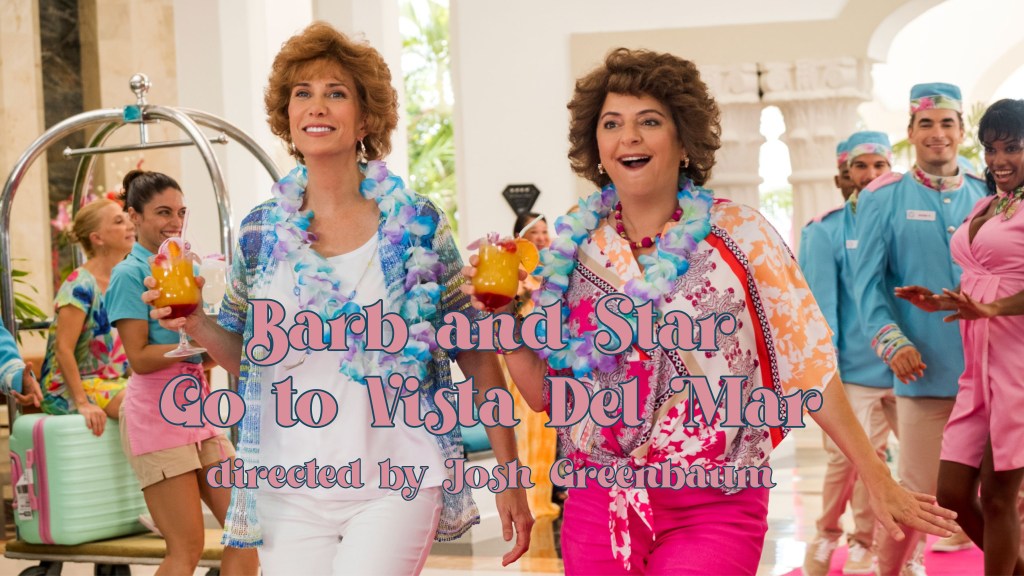
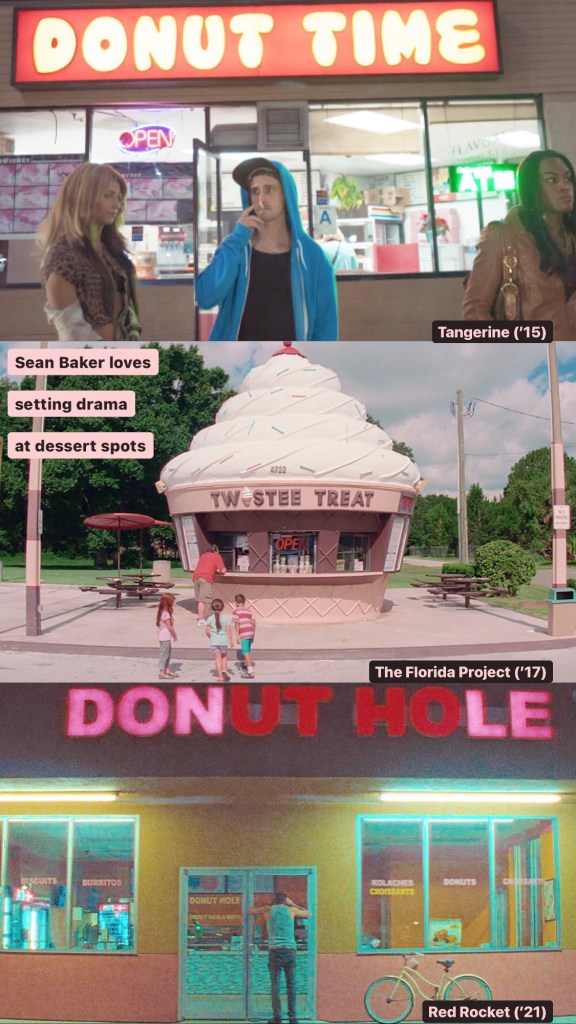
Entrenched in a specificity of character (mid-west, suburban TJ Maxxinista) and place (trashy, plasticine Gulf coast Florida), the mere listing of details that fill these colorful frames is enough to earn a rapid-fire of laughs.
But that Barb and Star are merely the Rosencrantz and Guildenstern of this story, commenting on the sidelines until they’re accidentally swept up into a sinister supervillain plot, makes this a comedy that nods its head to Hitchcockian thriller.
This is an extremely high-brow take on something that purports to be a comfy, low-brow barcalounger. But it’s this mash-up that is a welcome surprise in an other desolate comic landscape, harkening back to an era not too long ago when Jay Roach did zany and Judd Apatow did economical.
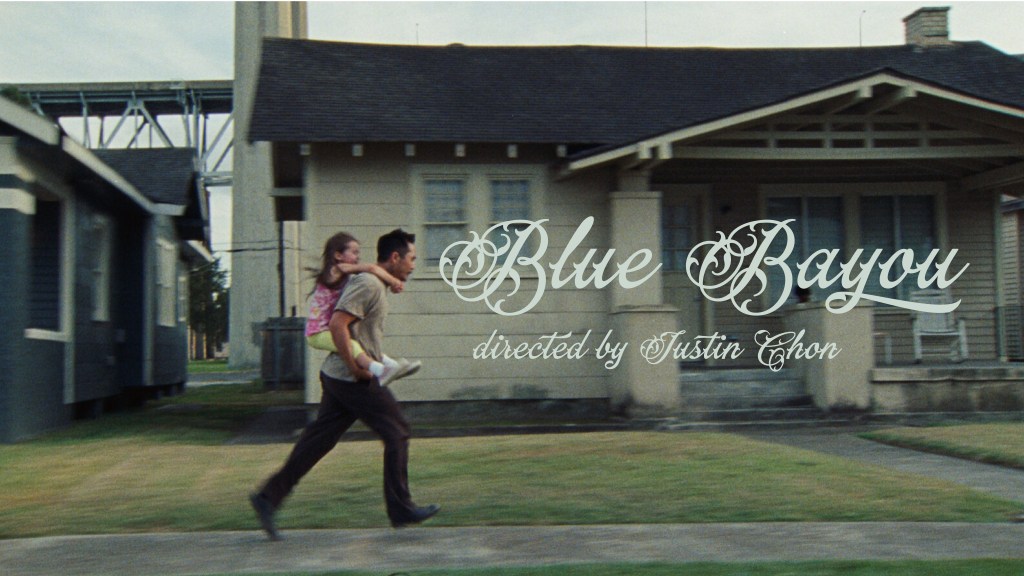
Simple set-ups, clear conflicts, and hard family choices is the recipe that led Chon to success with his previous films, G*** and Ms. Purple. Here, the stakes are raised, and it pays off with a noticeable step up in quality.
Despite weathering run-ins with the law, underemployment, and his wife’s ex, it’s a man’s transnational adoptee status and the possibility of deportation which most threatens to upend everything he’s built. Its issue hints a plodding character study, but there’s not a boring moment here. This thing moves.
Intense, composed single-takes of characters acting and reacting in real time (no shot-reverse shot coverage for editing, a brave choice) keeps you locked in. To catch your breath, stretches of handheld, cinema verite breeze by with full score. It’s an ebb and flow of intensity.
Which, undoubtedly tips into emotional manipulation at times, but it never feels unearned. Chon builds at a rapid pace, two steps forward for every one back. He gains latitude by handling certain cliches with such economy (we read a woman’s water breaks just by the face she makes and a cut-away, no shouting antics about driving to the hospital). Bottle those seconds for something more emotional.
His craft advanced, in tone, color, approach to music, and occasional camera stare-down, alongside Barry Jenkins and Trey Edward Shults, Chon has unabashedly joined the ranks of fellow American Wong Kar-wai apostles. That he can also self-direct himself at the center of the frame is a nice added bonus the other guys have yet to attempt.
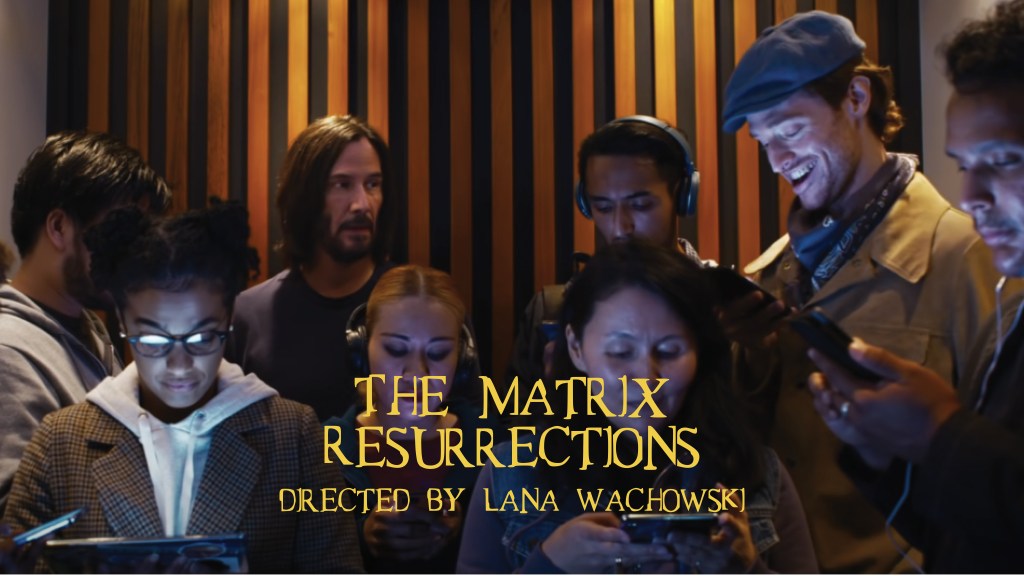
There are successful sequels that mock the merit a sequel (22 Jump Street), and then there are ones which emotionally pay off 20-year delays while also addressing the sins of the original (T2: Trainspotting). Somehow, this does both.
Now, we don’t reward meta (also, Zuckerberg has since ruined the term). Yet, we do respect the settling of scores and setting the record straight. Sit down. Wachowski has a checklist of grievances. You kids didn’t do the reading. Here, a creator, in real-time, reclaims The Matrix, a superhero origin story misunderstood, twisted, contorted, and co-opted by the worst parts of our society (and occasionally, extended cinematic universes).
So, with the full financial backing of Warner Bros. and (I’d assume) the best satirical voices from San Franciso’s premiere improv comedy troupe in the role of The Matrix IV writers’ room, let’s address this thorn head-on (Unfortunately, no one can be told what this means—you have to see it for yourself).
Ok, class, let’s pick up right after “crypto-fascism.” After some semblance of an equilibrium is attained, the discrepancies to the original explained, we can ruminate on this story about the power of stories.
Exposition dumps may cheat the fourth wall (or broach the looking glass). But there’s no winking. Maybe you’re primed for the meta, prepared to laugh at another sequel joke. But occasionally you’re caught off-guard. Heartfelt confessions sneak through. To certain audiences and characters within, a leather-clad Neo blazed a path with bullets to the original’s core themes. The former is the execution. The latter are the ideas. Love. Identity. Community. The subtextual queer reading is now officially text.
You can’t mock this. This is the same series that had us accept the ever-effective offensive capabilities of EMPs and that the process of tapping back into a malignant simulation was akin to going to the dentist (*cue drill whizz SFX*). Brush away the grey, pre-millennium tension of the original, and this has always been a goofy, affair. Forget the kung-fu, whackiness is what you should really strap in for. This is where Wachowski goes for broke, hopscotching genres: from rom-com to heist to whatever you want to file the (spoiler!) Merovingian’s spit-addled, Olivier Assayas-inspired rant on the state on modern art (ok, with some kung-fu).
By the time you get to a cosmetically aged, caked-up Jada Pinkett Smith earnestly explaining away the sudden reveal of a camouflaged, flying synthient manta ray (?) with “Kujaku is a friend!”, you can’t help but guffaw. In a fictional world where anything is possible, earnestness proves to be the most surprising and rewarding.

“Isn’t it kind of like snow?” Misaki remarks as white debris flutters down from a garbage crane at a waste processing plant. A few steps away, on a digital screen, the image of a burning incinerator. Outside, a procession of garbage trucks forms, each with something new to dump. It’s here Misaki finds herself looking out on the sea from a memorial walk for the victims of the atomic bomb, at the edge of Hiroshima.
Forty-two years ago, another Cannes darling, Hiroshima Mon Amour, also saw two characters wander into this same city, ready to unload in the view of undulating water and the shadow of the charred remains of a nuclear winter. A chance tryst between a French actress and a Japanese businessman at the figurative end of the world (or at least a ground zero for it), it unfurled an on-paper romance into a haunting catharsis. I can’t remember if that film was in French or Japanese. Doesn’t matter what was spoken. Just what was communicated.
On Drive My Car’s scenic tour of grief–running at a leisurely three hours–we similarly have the opportunity to observe, to reflect, to attempt to communicate. Tangents, short stories, and anecdotes can often obfuscate our conversations, but they have a purpose. They’re the invitation to focus on how gender, class, geography, age, and even imagined lines of a back seat or the beyond can also offer new angles with which to read ourselves.
While some other film adaptations of Haruki Murakami’s works (Norwegian Wood, Burning) capture the feeling of looming danger in unreliable narrative footing, this most closely resembles the act of reading him. Spending so much time just in each other’s presence–sometimes in silence–is what stays with you. Having read “Drive My Car” years ago but being unable to recall what happens, this film’s mantra of “memory is in the feeling” shines through.
And nowhere is that more true than the theatrical staging of Chekhov’s Uncle Vanya that is at the center of this film. By design, it’s a heterolinguistic spectacle which requires rote line memorization to navigate its feeling. There’s Japanese, English, Korean, Mandarin, Cantonese, Tagalog, Malaysian, and something “a bit different.” It’s at these Tower of Babel table reads that we learn to look past subtitles. Language is just a barrier we can overcome. Like time. Like our tendency to change the subject.
Let’s go back. What was the question again? Oh, right, snow. Yeah, it does look like snow. And that’s the moment Misaki opens up, comes into full view, and Drive My Car shifts into the gear we didn’t even know it had. Took a while, but it was seamless. Nice driving.
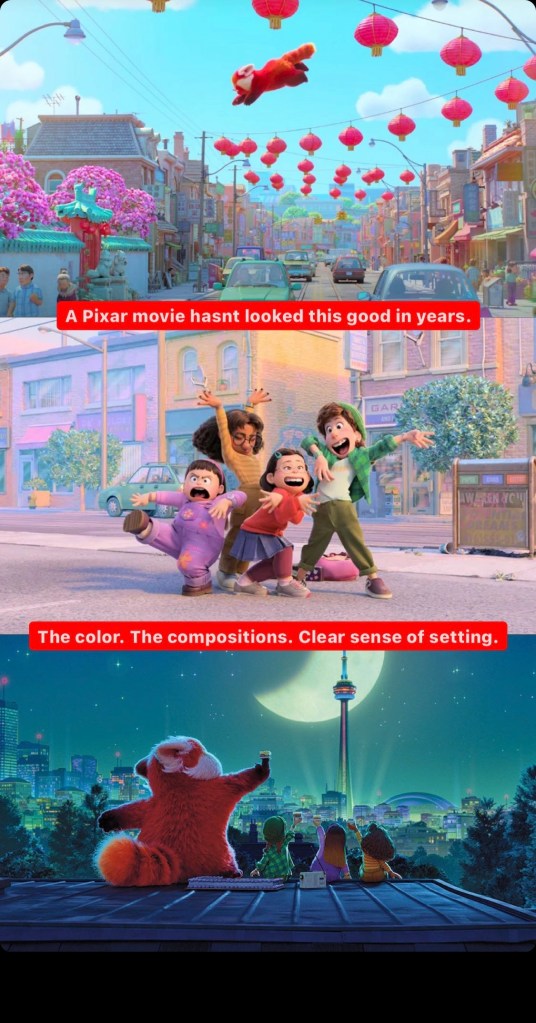
Pieces of a Woman / The White Tiger / Locked Down / Outside the Wire / The Little Things / Malcom and Marie / Dear Comrades! / Space Sweepers / Judas and the Black Messiah / Barb and Star Go To Vista Del Mar / To All the Boys: Always and Forever / Breaking News in Yuba County / French Exit / Land / The Mauritanian / Beast Beast / I Care A Lot / Tom and Jerry / Cherry / The United States vs. Billie Holiday / The Vigil / Coming 2 America/ The SpongeBob Movie: Sponge on the Run / Chaos Walking / Raya and the Last Dragon / Boogie / Quo Vadis, Aida? / Yes Day / Zack Snyder’s Justice League / Nobody / Bad Trip / Godzilla vs. Kong / Concrete Cowboy / Shiva Baby / In the Earth / Mortal Kombat / The Mitchells vs. the Machines/ Together Together / Without Remorse / Limbo / Cliff Walkers / Wrath of Man / Army of the Dead / Those Who Wish Me Dead / The Killing of Two Lovers / Riders of Justice / New Order / Cruella / A Quiet Place Part II / Plan B / Bo Burnham: Inside / In the Heights / Undine / Luca / The Sparks Brothers / Stowaway / First Date / F9: The Fast Saga / False Positive / The Ice Road / Zola / The Forever Purge / Fear Street Part 1: 1994 / No Sudden Move / The Tomorrow War / Summer of Soul / Black Widow / Fear Street Part 2: 1978 / Gunpowder Milkshake / Year of the Everlasting Storm / Fear Street Part 3: 1666 / Pig / Space Jam: A New Legacy / Roadrunner: A Film About Anthony Bourdain / Old / Snake Eyes: G.I. Joe Origins / Jungle Cruise / The Green Knight/ Stillwater / The Suicide Squad / Escape From Mogadishu / CODA / Reminiscence / The Night House / CandymaN / Vacation Friends / Belfast / Shang-Chi and the Legend of the Ten Rings/ Annette / Malignant / The Card Counter / Small Engine Repair / Cry Macho / Blue Bayou / The Eyes of Tammy Faye / Prisoners of the Ghostland / Wife of a Spy / The Guilty / Venom: Let There Be Carnage / Titane / No Time to Die / Mass / Lamb /The Last Duel / The Velvet Underground / Bergman Island / Dune / The French Dispatch / The Harder They Fall/ Passing / Antlers / Last Night in Soho / The Souvenir Part II / Eternals / Spencer / The Beta Test / The Power of the Dog / King Richard / C’mon C’mon / The Feast / Encanto / The Humans / Drive My Car / House of Gucci / Licorice Pizza / The Hand of God / Benedetta / Listening to Kenny G / West Side Story / Being the Ricardos / Don’t Look Up / Red Rocket / Spider-Man: No Way Home / Nightmare Alley / The King’s Man / The Matrix Resurrections / Parallel Mothers


 justshortcuts.com